What Makes Cape Coral Special
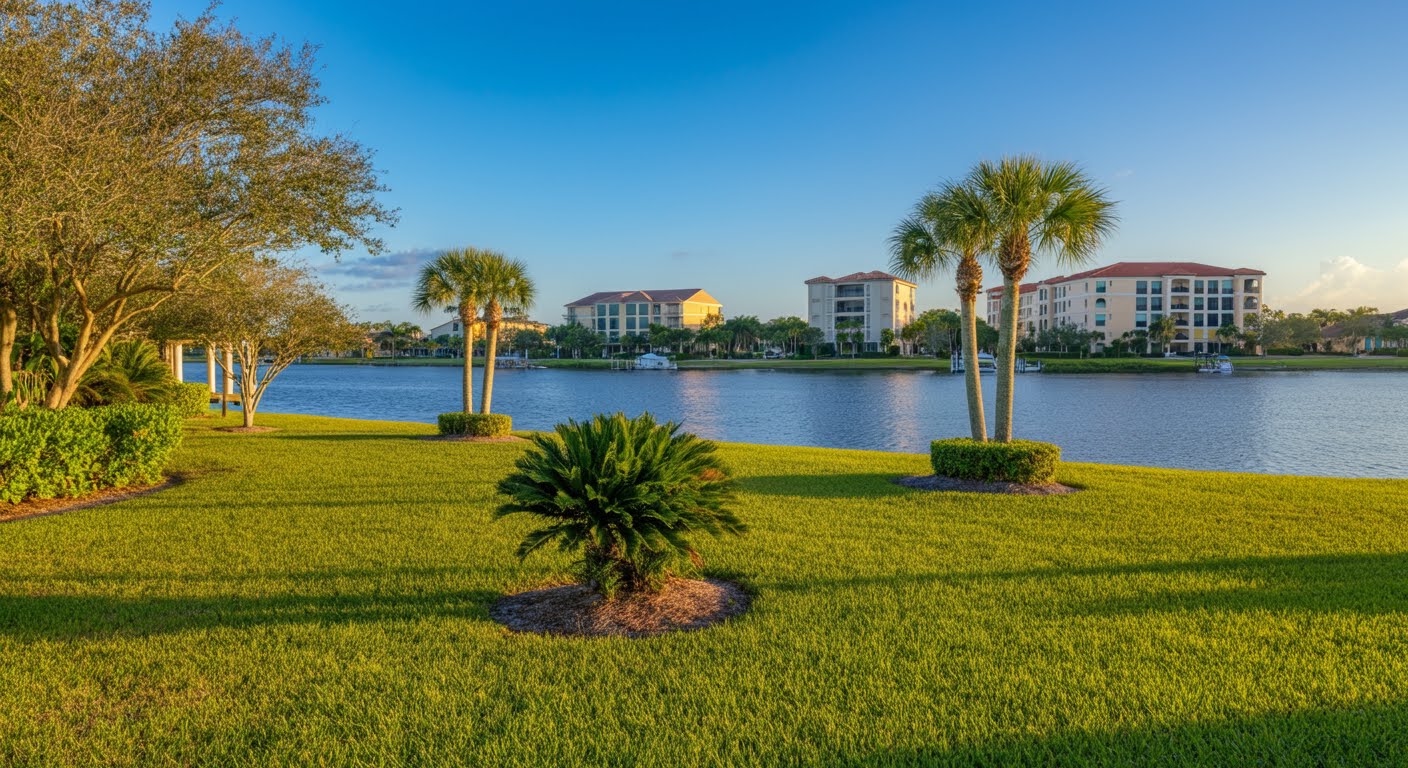
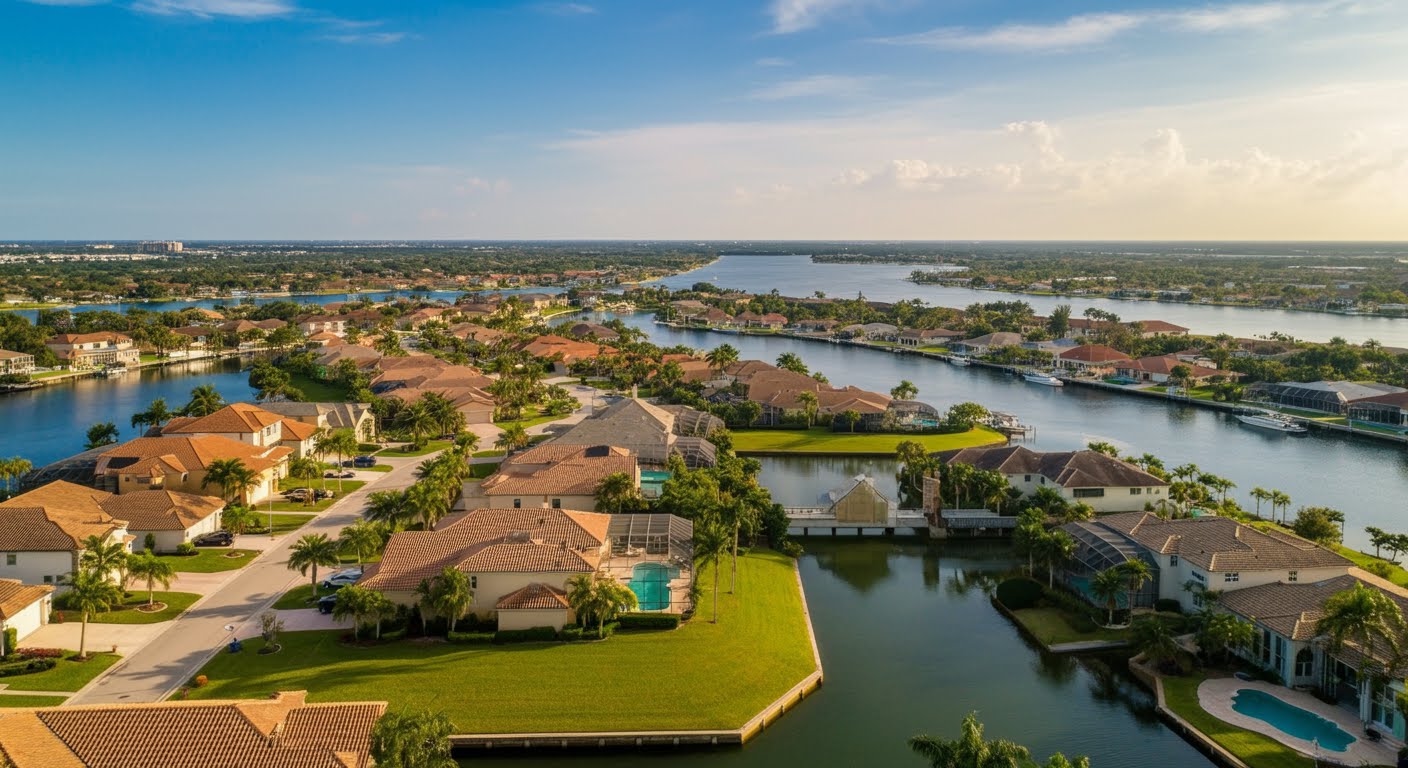
Cape Coral earned its incorporation in 1970 the hard way — by growing too fast for anyone to ignore. What started as the Rosen brothers' waterfront experiment became the largest city between Tampa and Miami, and that planned community DNA still shows in every canal-cut neighborhood. The Caloosahatchee River forms the eastern border, Matlacha Pass protects the west, and in between lies a grid of waterways that locals navigate like streets.
Four hundred miles of canals. Let that sink in. That's more waterway miles than any other city in the world, and it's the single fact that shapes everything about living here — from where you eat dinner to how much your house costs to whether your Tuesday morning involves a kayak.
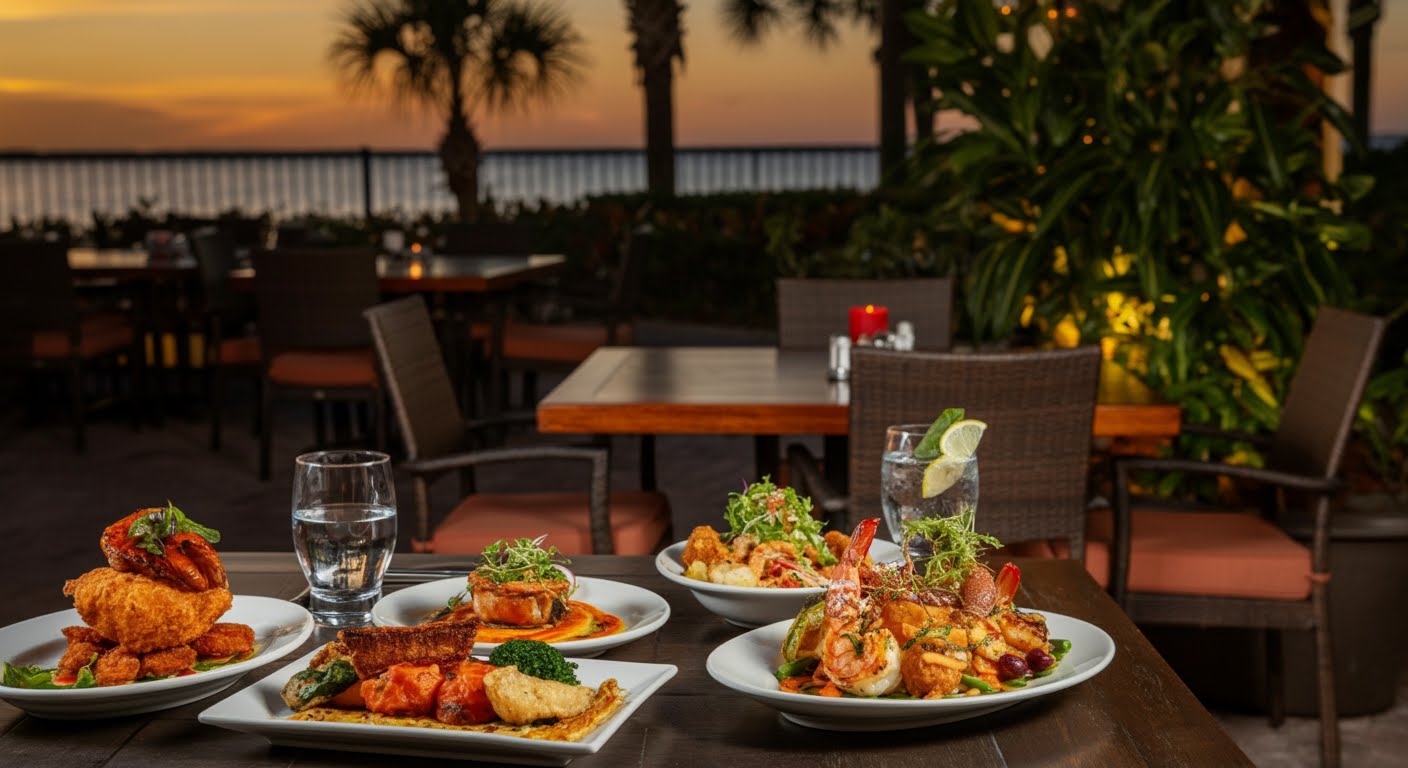
The restaurant scene tells you who lives here: Dixie Fish Co. anchors the waterfront dining, Doc Ford's Rum Bar and Grille brings the Sanibel crowd over the bridge, and newer spots keep popping up as the population pushes past 216,000. Head to Lovers Key State Park on any Saturday, and you'll see the other side — families hunting shells, paddlers threading through mangroves, and enough dolphins to remind you this is still wild Florida, just with better infrastructure.
Why People Move Here
People move to Cape Coral for the Tuesday morning kayak launch from their own dock — but they stay for the Saturday afternoon at Lakes Park, watching their kids feed turtles while the miniature train circles the botanical gardens. The waterfront access hooks them first. Who wouldn't want 400 miles of canals to explore? But the family infrastructure seals it.
This is a city that planned for growth from day one, which means new schools actually get built, roads actually get widened, and that new waterfront restaurant you've been watching probably opens next month. The dining scene alone — from Backyard Social's rotating food trucks to Ford's Garage Cape Coral's craft beer selection — tells you this isn't retirement-only Florida. Young families show up for the same reason retirees do: daily life on the water beats visiting the water on weekends.
The Lifestyle
Tuesday morning in Cape Coral starts with choices. Chick-fil-A for the school run, or paddle to Bowditch Point Park first? By lunch, you might find yourself at Backyard Social, debating between the Greek gyro truck and the Venezuelan arepa stand while your kids play cornhole.
The afternoon could mean anything — fishing the seawall behind your house, walking the boardwalk at Six Mile Cypress Slough Preserve where gators sunning is guaranteed, or just working from home with a water view. Evenings here have a rhythm: Lighthouse Restaurant and Bar for sunset if you're feeling social, or your own dock with a cold one if you're not.
Weekends amp everything up. Lovers Key State Park fills with families by 10am. Ford's Garage Cape Coral serves Bison Burgers to the boat-up crowd. Someone you know is always heading out to fish the flats. This is what waterfront living actually looks like — not a vacation, just Tuesday through Sunday with better views.
Neighborhoods Worth Knowing
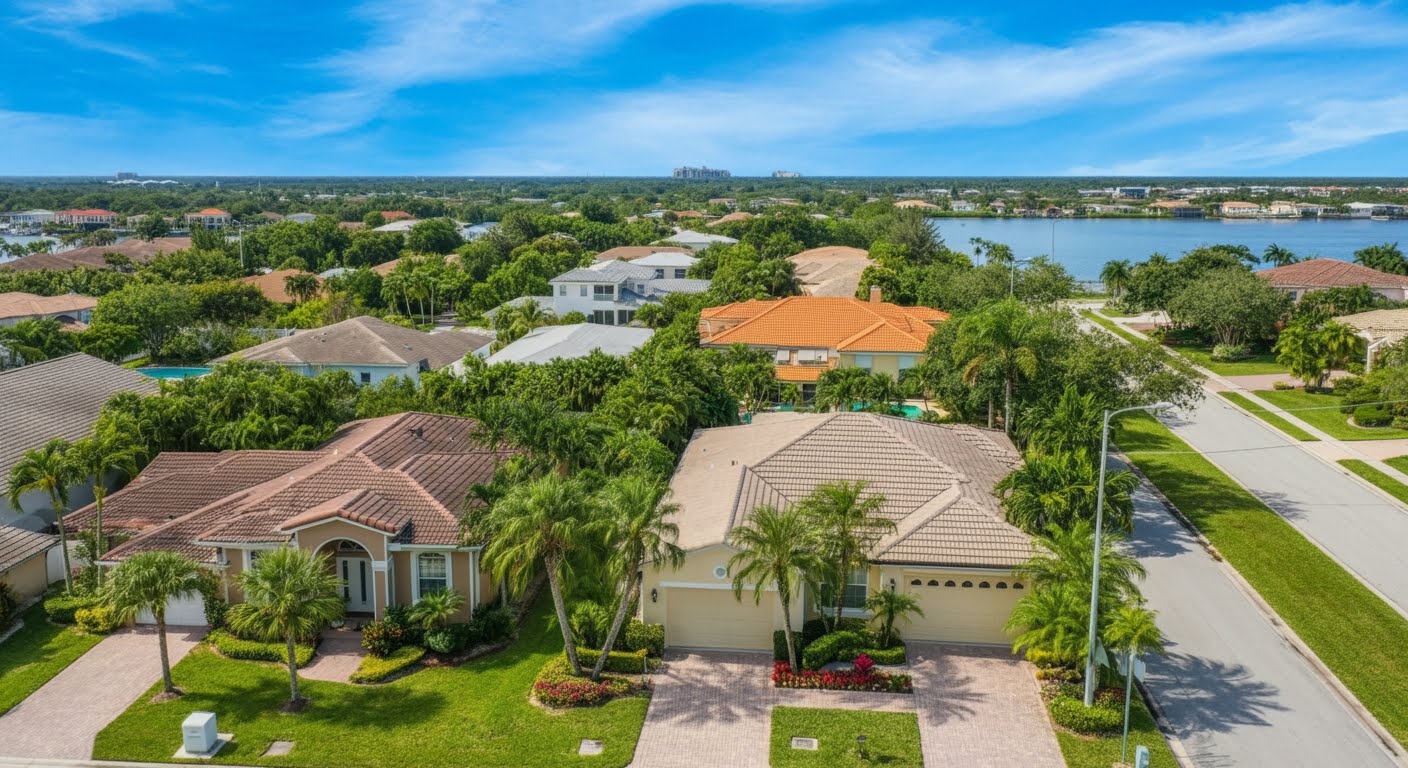
Cape Coral spreads across the peninsula like someone carefully planned every canal — because they did. The original peninsula neighborhoods show their age in the best way: mature trees, established seawalls, sailboat access to Charlotte Harbor. These are the addresses where decades of settled roots show in the landscaping and the neighbor relationships.
The western frontier keeps adding rooftops for families chasing newer builds and bigger lots. Energy-efficient construction, community amenities, and that fresh-start feeling attract buyers who want tomorrow's neighborhood today. Southeast Cape Coral turned commercial first, which means your errands run faster but the canals run fewer.
Each pocket reflects a different decade of the city's growth, from 1960s waterfront originals to 2020s smart homes. The constant: every neighborhood was designed around water access, whether that means gulf-access canals, freshwater lakes, or preserved wetlands. Your move depends on your priorities — direct gulf access commands premiums, freshwater canals offer affordability, and dry lots near good schools fill up with families who'd rather spend boat money on square footage.
The Housing Market
Cape Coral's housing DNA comes straight from its planned community origins — orderly canals, consistent lot sizes, and enough variety to serve every budget if you know where to look. Waterfront estates with gulf access command the headlines and the prices, but the real market lives in the middle.
Freshwater canal homes where you can dock a kayak instead of a yacht. Dry lots near good schools where families stretch their dollars. Newer builds out west where tomorrow's neighborhoods take shape today. The city's growth trajectory means construction cranes compete with pelicans for skyline space.
Established peninsula neighborhoods offer mature landscaping and proven seawalls. Western expansion delivers energy-efficient builds and community amenities. Price points span from starter homes to statement properties, but the constant is water proximity — even dry lots usually sit within blocks of canal access. The market moves with seasonal patterns, hurricane history, and interest rates, but Cape Coral's fundamental appeal — affordable waterfront living — keeps drawing buyers year after year.
Schools and Education
Cape Coral's schools tell the story of a city growing faster than its infrastructure — which means doing your homework matters more than trusting ratings. The district runs traditional public schools, charter alternatives, and magnet programs, but the devil lives in the attendance zones. That perfect house might sit two streets outside the elementary school you toured.
Growth means some schools are brand new with waiting lists, while others struggle with portables and teacher turnover. The smart play: map the schools first, then hunt for houses. Consider your kids' ages and interests — the high school with the robotics program might be worth the drive, but not if your daughter lives for theater.
Charter schools add options but bring lottery stress. Magnet programs deliver specialized education if you can navigate the application maze. Your agent should know these maps cold and help verify boundaries before you fall in love with the wrong address.
Dining and Culture
The food scene in Cape Coral has genuine range. Dixie Fish Co. rules the waterfront seafood scene — locals boat up as often as they drive. Doc Ford's Rum Bar and Grille brings Fort Myers Beach energy with their Yucatan shrimp. Backyard Social flips the script with rotating food trucks that range from Greek to Venezuelan, with cornhole and live music making it a weekly destination.
Connors Steak and Seafood handles the date-night crowd. Uncle Rico's Pizza delivers the kind of reliable neighborhood spot that every city needs. And the diversity goes deeper than you'd expect — Latin American, Caribbean, Vietnamese, Italian — reflecting the real mix of people who've made this city home. This isn't a food scene that's trying to impress. It's one that feeds a real, growing community.
Getting Around
Cape Coral is car-dependent — and given that it's the largest city between Tampa and Miami by area, that's not surprising. The grid layout makes navigation straightforward, and the major corridors connect well to I-75 and regional hubs. Most daily errands cluster within a 10-15 minute drive.
Southwest Florida International Airport (RSW) is the regional hub, serving most major carriers without the chaos of South Florida airports. It's a manageable drive from most Cape Coral neighborhoods. The bridge connections to Fort Myers and the islands are essential to daily life — understanding which bridge routes work at which times of day is local knowledge that matters.
Some neighborhoods, especially the newer western developments, have trail systems that work for biking. But for the most part, your car is your primary tool for getting around. Factor that into your neighborhood choice if commute times matter to your daily rhythm.
The Bottom Line
Cape Coral is what happens when you build a city around water, not despite it. Those 400 miles of canals aren't just a marketing stat — they're the organizing principle for an entire way of life. From the original peninsula neighborhoods to the western frontier, from Dixie Fish Co.'s dock to your own backyard seawall, water shapes everything here.
If you're considering a move, the best next step is a conversation with someone who knows which canals offer gulf access, which school zones are shifting, and which neighborhoods are about to have their moment. Not to be sold on anything — but to get a clear picture of what 216,000 people already figured out.
That's what we're here for.
Frequently Asked Questions
What makes Cape Coral's waterways unique?
Four hundred miles of canals — more than any other city in the world. Some offer direct gulf access for serious boaters, others are freshwater systems perfect for kayaking and fishing. The entire city was designed around these waterways, which is why water access factors into nearly every real estate conversation here.
Are there family-friendly parks in Cape Coral?
Absolutely. Six Mile Cypress Slough Preserve offers boardwalk trails through wetlands where gator sightings are practically guaranteed. Fellowship Park and Gator Trails Park serve the neighborhood crowd. Lovers Key State Park delivers beaches and mangrove kayaking. And Lakes Park combines botanical gardens, paddle boats, and a miniature train that kids never get tired of.
What are the top dining spots in Cape Coral?
Dixie Fish Co. leads the waterfront seafood scene — locals boat up as often as they drive. Doc Ford's Rum Bar and Grille brings Sanibel-quality seafood energy. Backyard Social offers rotating food trucks with everything from Greek gyros to Venezuelan arepas. And Ford's Garage Cape Coral serves craft beer and burgers to the weekend boat crowd.
Explore More
Ready to learn more about Southwest Florida? Check out these resources: