City identity
City identity
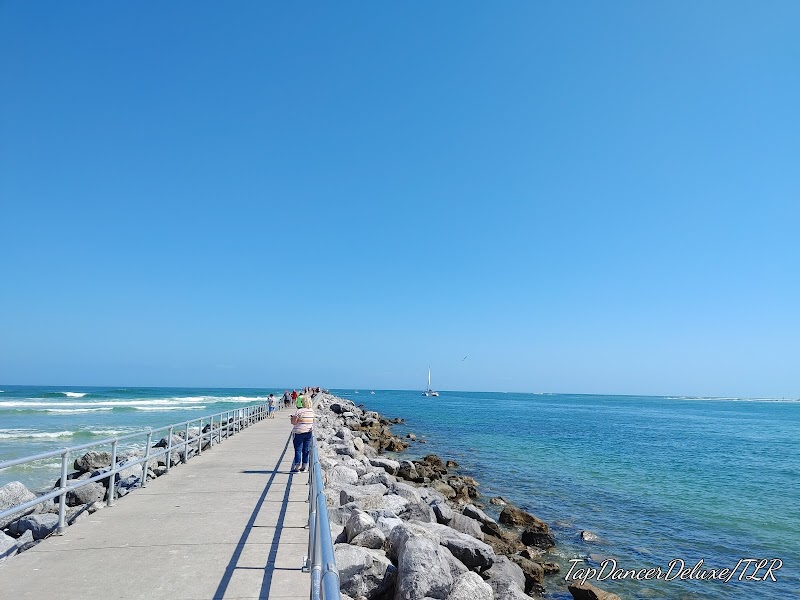
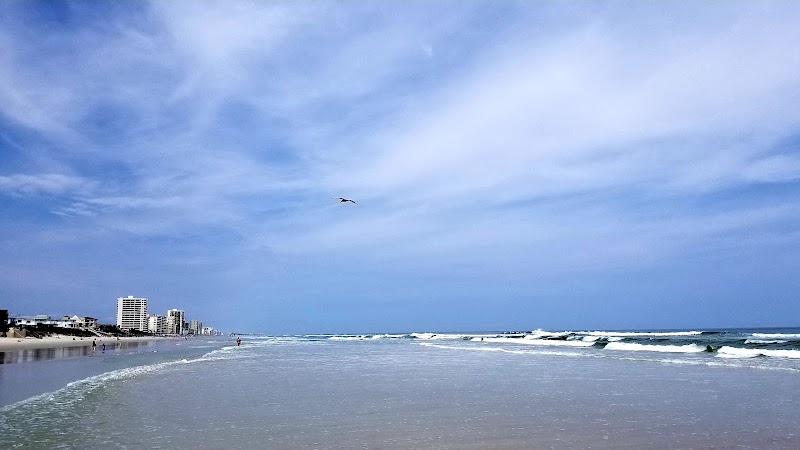
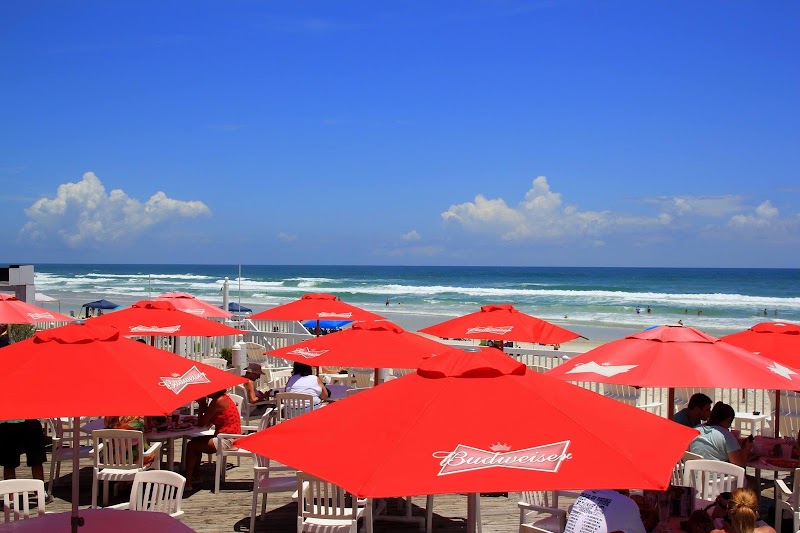
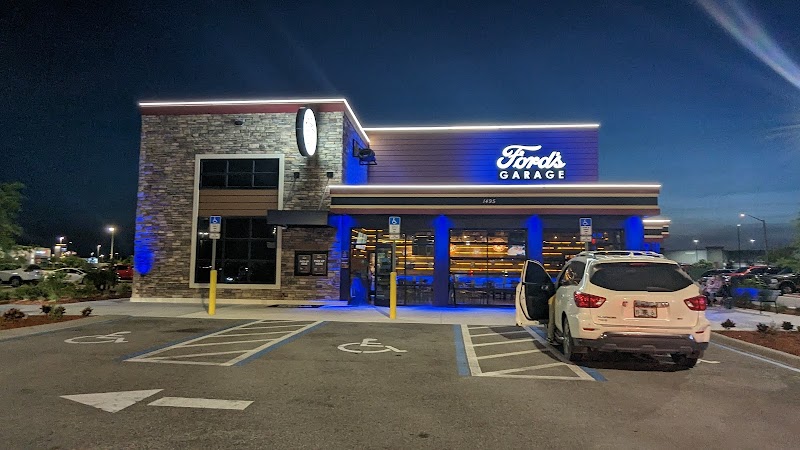
Daytona Beach built its identity on speed and sand. Founded in 1870 and incorporated in 1876, the city merged with neighboring towns in 1926 to create what you see today — a unified coastal hub where motorsports isn't just entertainment, it's infrastructure. Those famous beaches that allow motorized vehicles? They've hosted land speed races since 1902, back when racing meant pointing your car toward the horizon and seeing what happened. The Daytona International Speedway and NASCAR headquarters didn't just land here by accident — they grew from a century of people using this hard-packed sand as nature's racetrack. Today, you feel that heritage everywhere: in the automotive-themed decor at Ford's Garage Daytona (4.5 stars, 5,991 reviews), in the conversations at Racing's North Turn (4.7 stars, 1,444 reviews), even in the fact that beach driving is still legal on certain stretches. But the city runs deeper than race week. Those same wide beaches that host spring breakers in March serve as morning jogging tracks for locals in November. The warm waters that draw tourists feed a year-round fishing culture. This duality — tourist magnet and hometown — shapes everything from restaurant hours to real estate patterns.