
City identity
City identity
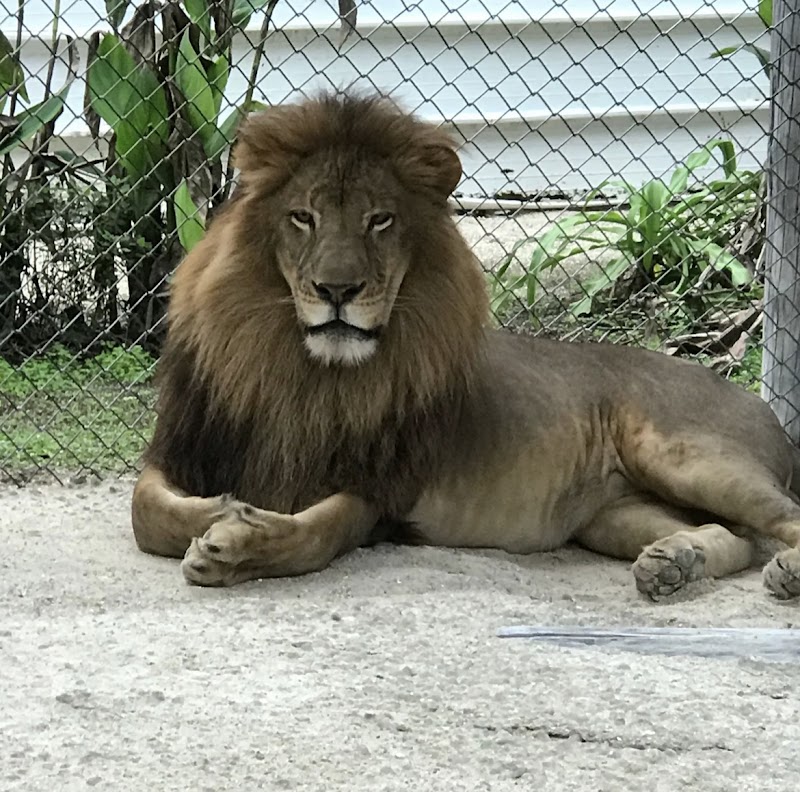
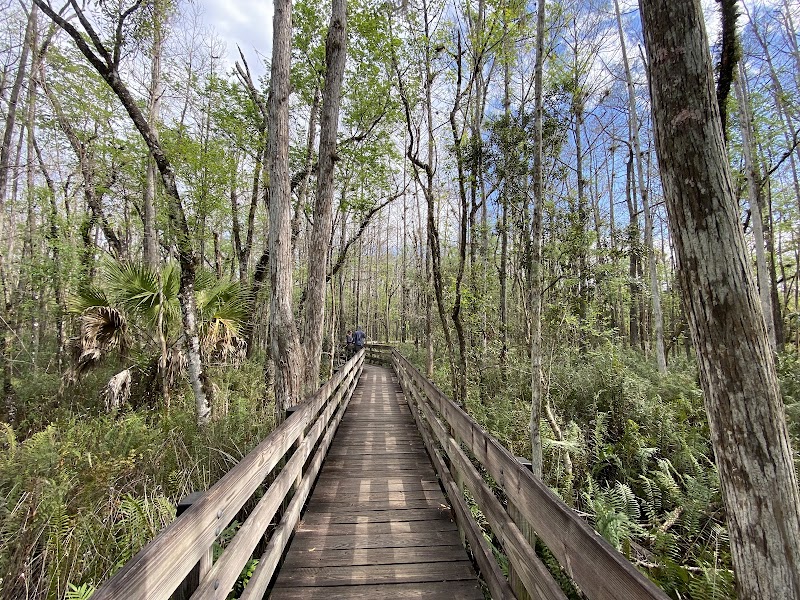
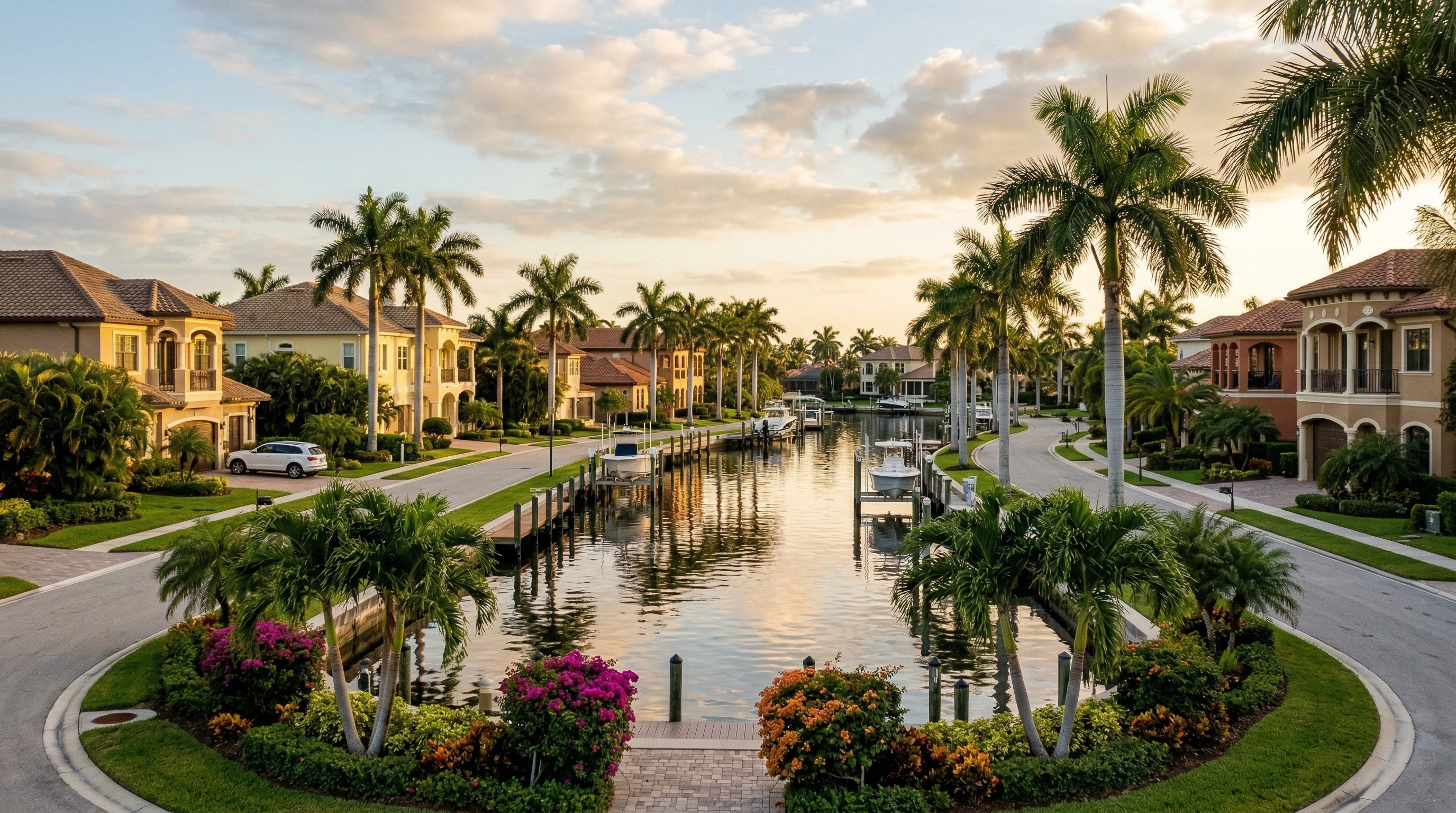
Fort Myers wears its history openly. Founded and incorporated in 1885, this isn't a city that sprouted from a developer's blueprint — it grew from river trade, winter estates, and the kind of organic expansion that creates real neighborhoods with real character. As the anchor of the Cape Coral–Fort Myers metropolitan area, it carries more weight than its palm-lined streets might suggest. The Edison and Ford Winter Estates aren't just tourist stops — they're active reminders that smart people have been choosing Fort Myers for over a century. The 'City of Palms' nickname came from actual royal palms Edison planted along McGregor Boulevard, not a tourism board brainstorm. Today's Fort Myers balances that preserved history with modern momentum: historic downtown buildings share blocks with new development, Octagon Wildlife Sanctuary rescues exotic animals while Six Mile Cypress Slough Preserve protects native wetlands. What defines Fort Myers now is range. Cultural heritage meets natural landscapes meets urban convenience in ways that feel intentional, not accidental. This is a major tourist destination that somehow maintained its locals-first sensibility — where residents still outnumber visitors at the good restaurants and know which preserve trails stay shaded in July.