What Makes Marco Island Special
Marco Island runs on a simple formula: six miles of beach, zero traffic lights, and the kind of island life that turns vacationers into residents. This is the largest of Florida's Ten Thousand Islands, and it wears that distinction with the kind of quiet confidence that defines the community itself.
One bridge connects you to the mainland. That single detail shapes everything about living here — the self-selection of residents, the pace of daily life, the community cohesion that comes from choosing to be somewhere rather than ending up there. Morning dolphin sightings are routine, not remarkable. The biggest decision most days is choosing between DaVinci's veal marsala or The Deck's coconut shrimp.
What strikes most newcomers is how quickly it starts to feel familiar. There's a rhythm to daily life here that's hard to replicate — part beach town, part small-town Florida, part something uniquely its own. The Calusa inhabited these islands for thousands of years before development arrived. That deep history gives the place a groundedness that newer communities can't manufacture.
Why People Move Here
People move to Marco Island when they're ready to stop visiting paradise and start living in it. The draw isn't just the obvious — beaches, fishing, year-round sun. It's the specific texture of island life.
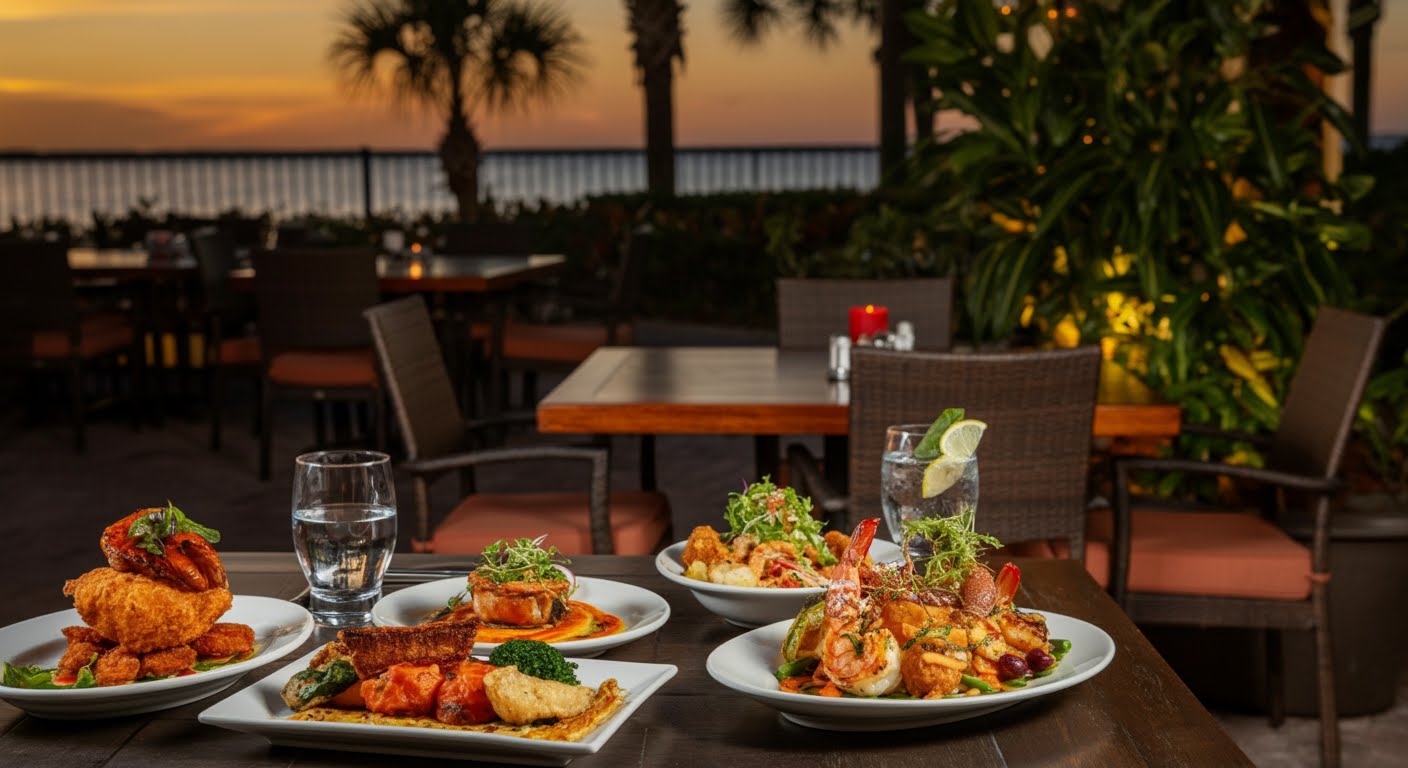
DaVinci's serves veal marsala that would work in Manhattan, but here you eat it in flip-flops. Little Bar Restaurant packs its waterfront deck nightly because the live music and Caribbean vibe create the kind of regular Tuesday that mainlanders save for vacation. Island Gypsy Cafe and Marina Bar nails the coconut shrimp and lobster mac formula that keeps boats tied up at their dock through lunch.
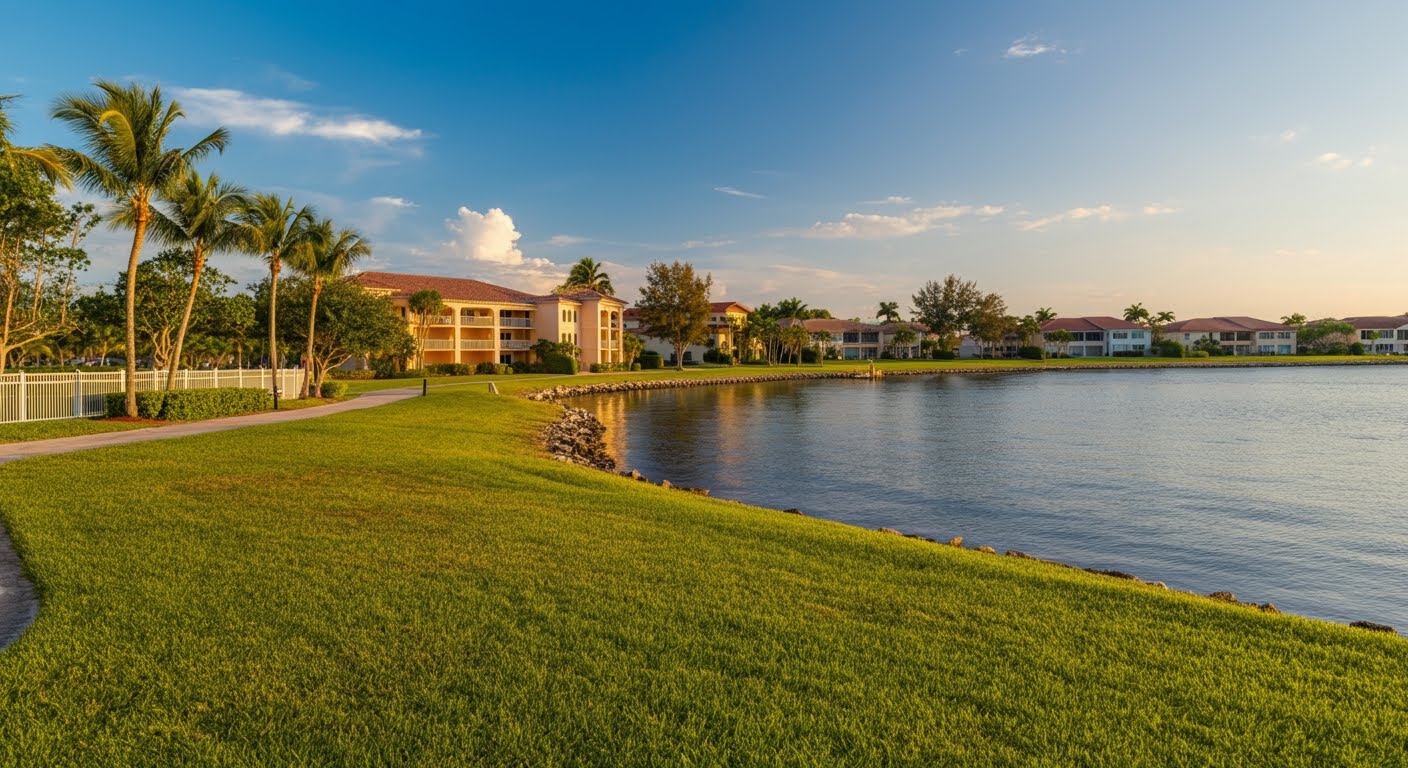
Sugden Regional Park offers lakefront trails where you'll see more herons than humans before 8am. The real pull? This island figured out how to be both sophisticated and barefoot, both connected and separate. One bridge to the mainland means you choose to be here — and that self-selection creates a community of people who prioritize the same things you do.
The Lifestyle
Your Marco Island morning probably starts at Doreen's Cup of Joe — fresh-squeezed OJ, pancakes that actually taste homemade, and conversations with the same faces who were here yesterday. By 10am, you might be on a paddleboard in the backwaters or walking the 6.5 Adventure Trail for those panoramic views that remind you why you moved here.
Lunch could be at Snook Inn, where the portions of grouper sandwiches and calamari justify the 4.5 rating from nearly 6,000 reviewers who keep coming back. Afternoons here have options: Mackle Park's splash pad if you've got kids, the beach if you don't, or one of the dozens of hidden waterways if you've got a kayak and no agenda.
Dinner at The Oyster Society means choosing between the raw bar and whatever the boats brought in today, with live music that turns a meal into an event. The island's commercial spine along Collier Boulevard — locals just call it 951 — has everything you need without the mainland's sprawl. No traffic lights means you navigate by landmarks: past CJ's, before the bridge, after the marina. It's the kind of place where knowing the shortcuts is a point of local pride.
Neighborhoods Worth Knowing
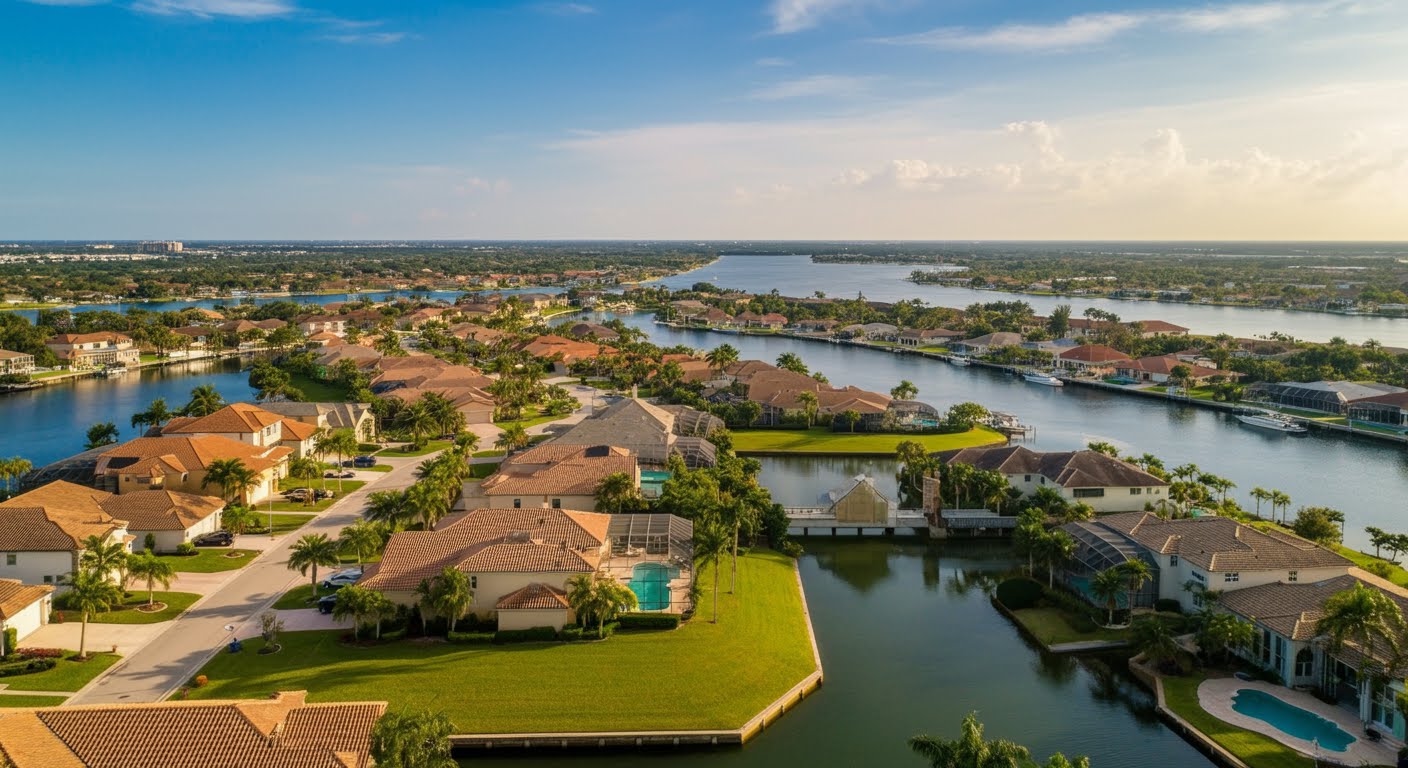
Marco Island's neighborhoods tell the story of how this place evolved from mangroves to one of Florida's most distinctive communities. The western shores hold the prime Gulf-front properties — these are the addresses where your backyard is literally the beach. Move inland and you'll find the canal-front homes that give almost everyone water access, even if they're a few blocks from sand.
The eastern neighborhoods feel more like traditional Florida suburbs, with larger lots and that neighborhood-pool vibe that works for families. The Collier Boulevard corridor anchors the island's commercial life — this is where residents actually shop, eat, and handle the business of daily life, not just the tourist strip.
The whole island falls under 34145, but locals navigate by landmarks and water access more than street names. Whether you're in Hideaway Beach's gated luxury or the more accessible central island neighborhoods, you're never more than a few minutes from water. That's the geographic promise that shapes every neighborhood here — and the reason location on the island matters more for view and lifestyle than for convenience.
The Housing Market
Marco Island real estate operates on island economics — limited land, no expansion possible, and a community that controls its growth. That means supply constraints are permanent, not cyclical. You're not competing with new developments spreading further and further out. What's here is what there is.
Gulf-front properties set the top of the market. Canal-front homes with boat access occupy the broad middle. And condos provide the entry point for buyers who want the island address and lifestyle without the single-family price tag. Each segment has its own dynamics, its own seasonal patterns, and its own buyer profile.
What I tell clients: Marco Island inventory is small enough that the right guidance matters more here than in a sprawling mainland market. A property that fits your criteria might appear and move quickly. Understanding the island's micro-neighborhoods, the quality of different canal systems, and the reality of flood zones and insurance — that's where local expertise earns its keep.
Schools and Education
The school situation on Marco Island requires the same honest conversation as any island community. On-island school options are limited by population, and many families factor in the bridge commute to mainland Collier County schools.
That's not necessarily a dealbreaker — the mainland schools accessible from Marco Island include solid performers in the Collier County School District. But the logistics matter. Bridge traffic, commute timing, after-school activities — all of these need to be factored in when you're choosing where to live on the island.
Private school options on the mainland add another layer. We can help you map the realistic school options from a Marco Island address, including commute times that account for bridge traffic at school hours.
Dining and Culture
Marco Island's dining scene punches above its size. DaVinci's delivers Italian that's worth the wait for a table. The Deck at 560 handles the casual American crowd. Island Gypsy Cafe and Marina Bar brings the waterfront energy with coconut shrimp and boats docked at the bar. Doreen's Cup of Joe owns the breakfast scene. And Little Bar Restaurant creates the kind of evening atmosphere — live music, waterfront deck, Caribbean flavors — that turns dinner into the main event.
The cultural offerings lean into the island's identity. Eco tours through the Ten Thousand Islands put you in mangrove channels where dolphins and manatees are the main attraction. Treasure Seekers Shell Tours and Dreamlander Tours offer water-based experiences that visitors and long-time residents both enjoy. The Marco Island Historical Museum connects current island life to the Calusa heritage that preceded modern development by millennia.
Community events fill the calendar — art festivals, fishing tournaments, holiday celebrations that draw the whole island out. In a community this size, those events aren't optional entertainment. They're how you get to know your neighbors.
Getting Around
Marco Island is small enough that getting around the island itself is simple — no traffic lights, remember. The commercial corridor along Collier Boulevard (951) handles most daily needs, and you can drive from one end of the island to the other in about 20 minutes.
The bridge to the mainland is your connection to everything else — I-75, Collier County services, mainland shopping, and Southwest Florida International Airport (RSW). Bridge traffic patterns matter and locals learn them quickly. Peak season weekends and holiday rushes create the only real traffic the island experiences.
Biking works for some island errands, and many neighborhoods have a golf-cart culture for short trips. But for mainland access, your car is essential.
The Bottom Line
Marco Island is six miles of beach, zero traffic lights, and a community that chose island life on purpose. The dining scene surprises people. The water access defines everything. And the self-selection of residents — everyone crossed that bridge intentionally — creates a cohesion that mainland sprawl can't replicate.
If you're considering island life, the best next step is a conversation with someone who understands the difference between Gulf-front and canal-front, who knows which neighborhoods fit which lifestyles, and who can help you navigate the unique dynamics of a market with genuinely limited supply.
That's what we're here for.
Frequently Asked Questions
What makes Marco Island's dining scene unique?
Island dining here ranges from DaVinci's Italian to Little Bar Restaurant's Caribbean waterfront vibe to Island Gypsy's dock-and-dine seafood. The quality is higher than you'd expect for an island this size, and the informality — flip-flops welcome at places serving genuinely excellent food — sets the tone.
Are there family-friendly parks on Marco Island?
Mackle Park is the family hub — splash pad, playground, community pool. The 6.5 Adventure Trail offers hiking with panoramic views. Huntoon Beach provides a quieter alternative to the main beach. And the eco tours through the backwaters turn nature into a hands-on classroom for kids.
How does the community feel on Marco Island?
It feels like a small town that happens to be surrounded by water. You'll see the same faces at Doreen's Cup of Joe every morning, recognize the servers at CJ's on the Bay, and wave to neighbors at Mackle Park. The island's size — you can drive end to end in 20 minutes — creates natural overlap that builds real relationships.
Explore More
Ready to learn more about Southwest Florida? Check out these resources: