What Makes Sanibel Special
Sanibel wrote its own rulebook. When the Sanibel Causeway opened in 1963, most barrier islands would have gone all-in on development. Not here. The 1974 incorporation wasn't just paperwork — it was a declaration that this island would do things differently.
The J. N. 'Ding' Darling National Wildlife Refuge isn't some afterthought park. It's the heart of the island, protecting mangroves and wetlands that roseate spoonbills and manatees call home. The Sanibel Historical Village preserves the island's pre-causeway character, but the real preservation story is in the comprehensive land use plan that keeps buildings low and green space high. Over 50% of the island stays wild. Period.
This identity — part nature preserve, part beach town, all intentional — shapes every decision, from where restaurants can build to how many parking spaces each beach gets. It's the reason Sanibel feels the way it does: 15 miles of shell beaches meeting 50% protected wildlife habitat, held together by a community that chose preservation over pavement and created something remarkable in the process.
Why People Move Here
People don't stumble into Sanibel life — they choose it deliberately. The pristine shell beaches are the postcard draw, but the reality runs deeper. This is where you can eat world-class grouper at Doc Ford's Rum Bar and Grille one night and authentic Mexican at Monarca's the next, all while living somewhere that treats environmental protection as infrastructure, not ideology.
The small-town atmosphere isn't manufactured. With careful growth limits, Sanibel genuinely functions like a village where your favorite server at Dixie Fish Co. knows your usual order. For many, it's the balance that sells it: sophisticated enough for excellent dining and arts, wild enough that ospreys nest in your neighborhood, small enough that rush hour means waiting for a family of raccoons to cross Periwinkle Way.
The self-selection matters too. One causeway in, one causeway out. Everyone who lives here made a conscious decision to be on an island, and that shared intentionality creates a community with a clarity of purpose you don't find in sprawling mainland cities.
The Lifestyle
Morning on Sanibel starts early — not because of commutes, but because low tide waits for no one. Shellers hit the beaches at dawn, mesh bags ready for fighting conchs and alphabet cones. By 9 AM, the bike paths are busy with locals heading to Jerry's Foods or stopping for Cuban coffee.
Lunch might be fresh grouper at Dixie Fish Co., where pelicans watch from the pilings, followed by an afternoon at Fellowship Park where kids attack the splash pad while parents plan dinner. Speaking of which — evenings here revolve around sunset. Whether you're catching it from your boat, from Snug Harbor Waterfront Restaurant where dolphins cruise the channel, or from your own dock, that golden hour shapes the rhythm of every single day.
Late night means live music at Smokin Oyster Brewery or a quiet paddle through mangrove tunnels. The island doesn't run on mainland time — it runs on tide charts and sunset tables. That might sound like a lifestyle magazine cliche, but spend a week here and you'll realize it's just accurate.
Neighborhoods Worth Knowing
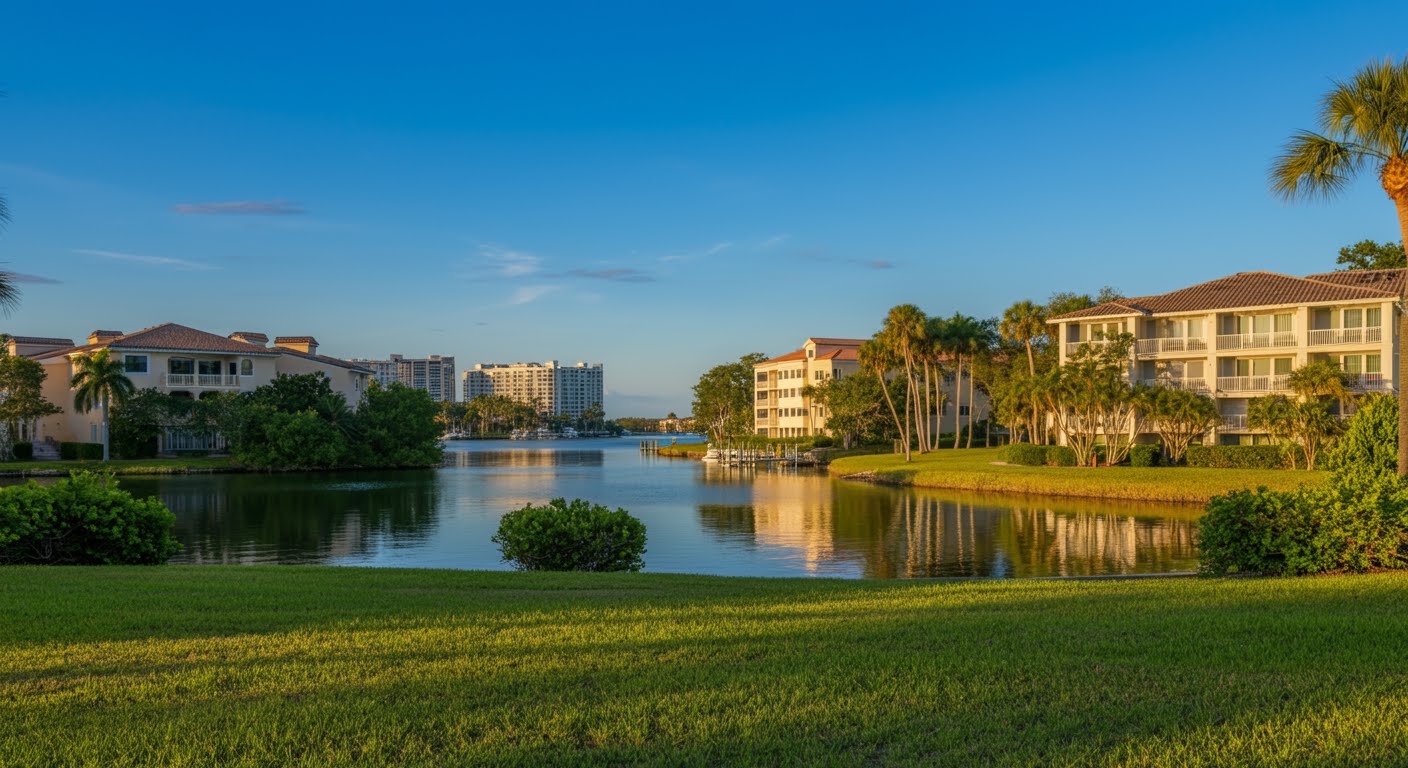
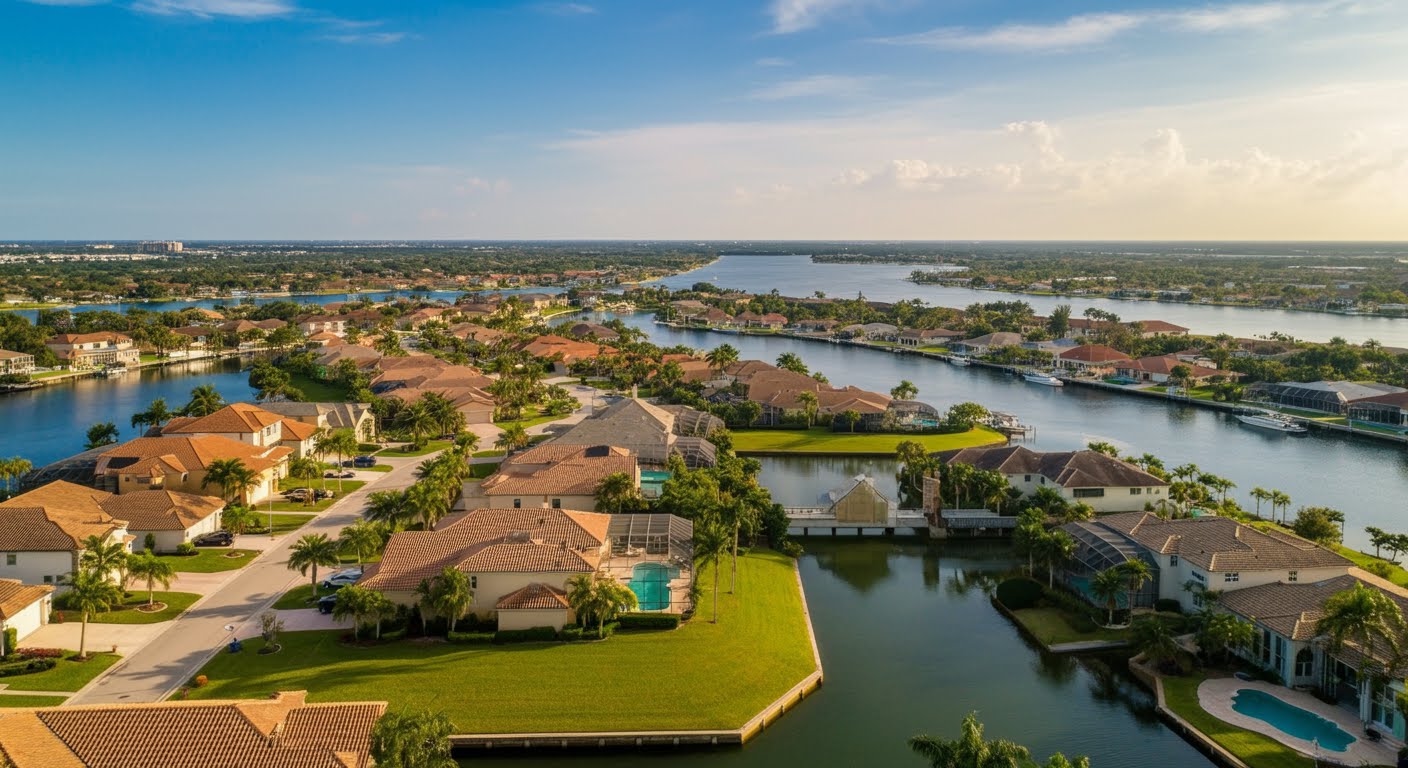
Sanibel's neighborhoods tell the story of an island that grew thoughtfully. Near the Sanibel Historical Village, you'll find some of the island's original cottages — small, charming, and increasingly rare. The Causeway end features newer developments with mainland views and quick access to the bridge.
Head west toward Bowditch Point Park, and the homes get larger, the lots deeper, often with private beach access or Gulf views. The middle of the island, around Periwinkle Way, mixes residential pockets with the commercial heart — this is where locals actually live, shop, and grab breakfast.
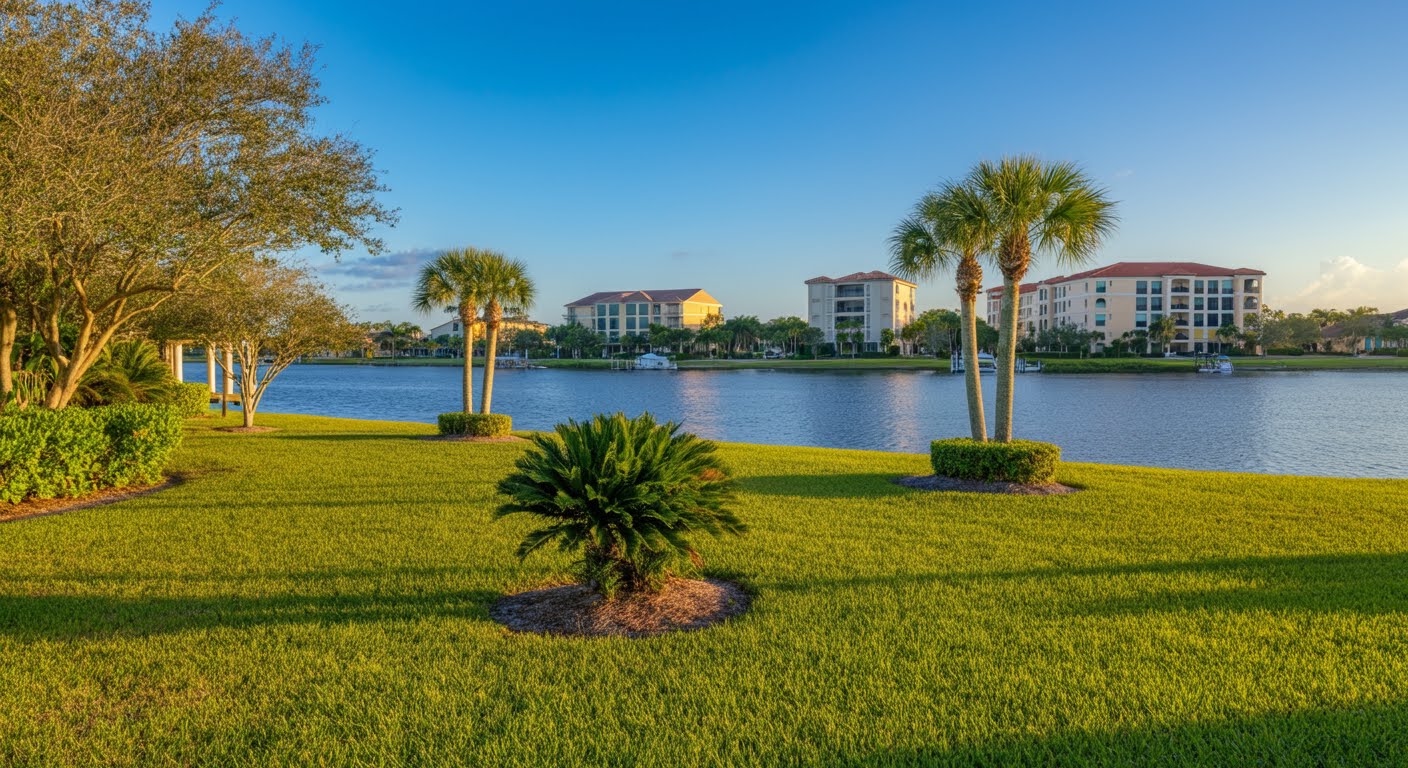
Near Lighthouse Beach Park on the eastern tip, historic meets modern, with both vintage beach cottages and contemporary rebuilds. Causeway Islands Park area offers something different: a blend of recreation and residential, where your morning jog might include dodging fishing lines. No high-rises, no gated golf communities — just neighborhoods that respect the island's scale. That comprehensive land use plan isn't a suggestion — it's the law that gives every neighborhood its character.
The Housing Market
The Sanibel housing market operates unlike anywhere else in Southwest Florida. The island's strict development controls mean supply is genuinely limited — there's no western expansion coming, no new subdivision being platted. What exists is what there is, and that scarcity shapes everything.
Post-hurricane rebuilding has added another layer of complexity. Some properties came back stronger and more modern. Others represent opportunities for buyers willing to invest in renovation. The price range spans from island condos to Gulf-front estates, but the common thread is that you're buying into a community that deliberately restricts new construction.
What I tell clients is this: Sanibel real estate isn't about timing the market in a traditional sense. It's about understanding what becomes available, what condition it's in, and whether the property aligns with both your budget and your vision for island life. The inventory is small enough that the right local guidance makes a meaningful difference in what you see and when you see it.
Schools and Education
The school situation on Sanibel requires honest conversation. The island's small population means limited on-island school options, and most families factor in the causeway commute to mainland schools in the Lee County School District.
That commute reality is something to think about before you commit. It works fine for many families — the bridge isn't far, and the mainland school options include strong performers. But it's different from living three blocks from your kid's elementary school, and families should factor that into their decision with clear eyes.
We can help you map the mainland school options that work best with a Sanibel address, including understanding bus routes, carpool logistics, and which programs are worth the drive.
Dining and Culture
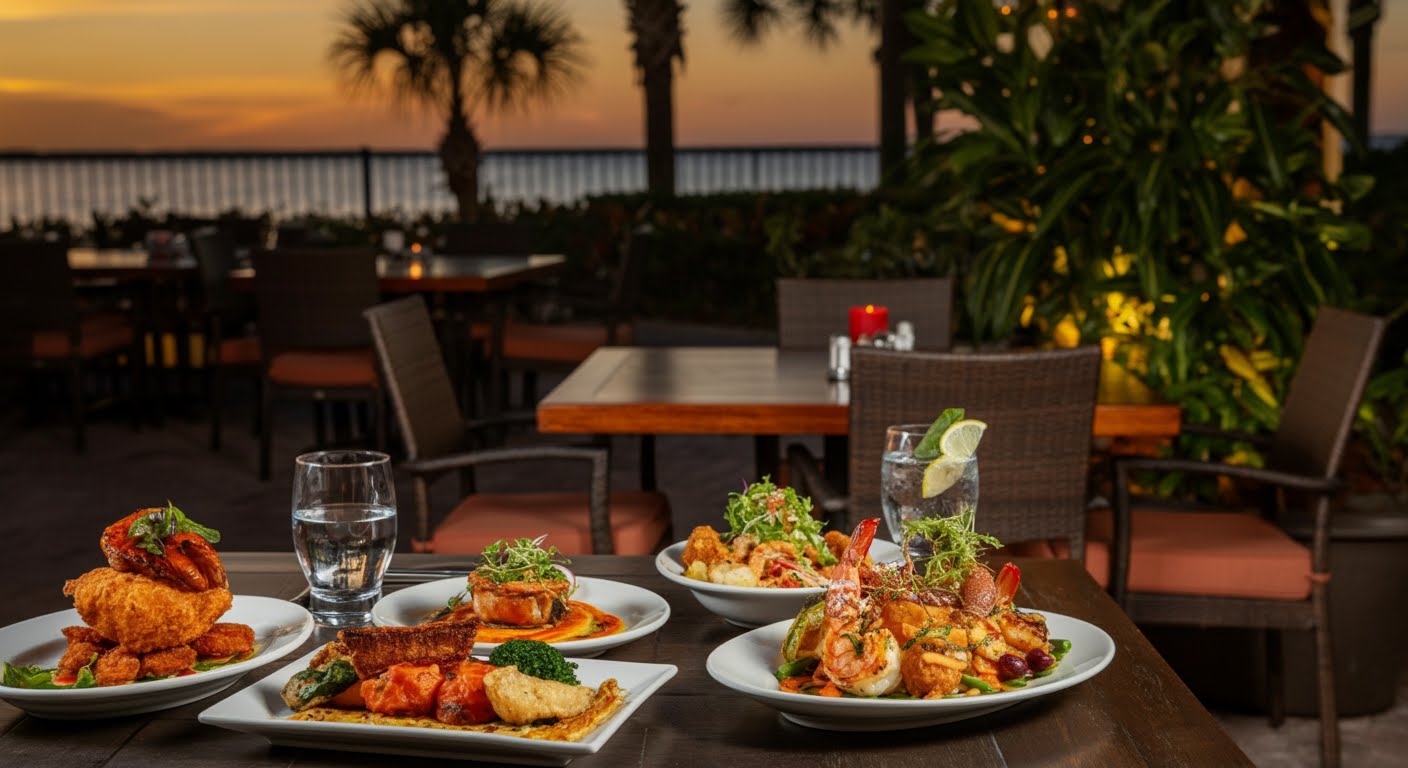
Sanibel's dining scene punches well above its population weight. Wickies Lighthouse Restaurant anchors one end of the island. Monarca's delivers authentic Mexican that would stand out in any market. Dixie Fish Co. handles the waterfront seafood with pelican-side dining. And Doc Ford's Rum Bar and Grille — both locations — has become an institution for good reason.
The cultural side runs deeper than most visitors realize. The Bailey-Matthews National Shell Museum isn't a roadside curiosity — it's a legitimate scientific institution. The Sanibel Historical Village preserves pre-causeway island life. Art galleries dot Periwinkle Way. And the community's commitment to environmental education means there's always a lecture, a guided walk, or a wildlife program happening somewhere on the island.
This is a place where intellectual curiosity and barefoot living coexist comfortably. That combination attracts a specific kind of resident, which in turn sustains the cultural offerings.
Getting Around
Sanibel is one of the most bike-friendly communities in Southwest Florida. The shared-use paths connect most of the island, and many residents use bikes for daily errands — groceries at Jerry's, coffee runs, beach trips. It's one of the few places in the region where car-optional living is actually possible for some routines.
That said, you'll need a car for mainland trips, and the causeway is your single connection. During peak season, bridge traffic is a real consideration. Locals learn the timing patterns quickly — when to cross, when to wait, when to just stay on the island.
Southwest Florida International Airport (RSW) is accessible from the island, though factor in the causeway and mainland drive. For most residents, the slight logistics premium of island living is exactly the point — it keeps things quieter.
The Bottom Line
Sanibel is an island that chose preservation over pavement — and created something you can't replicate. The 15 miles of shell beaches, the 50% protected wildlife habitat, the community that fights to keep buildings low and nature high — it all adds up to a place that rewards people who share its values.
If you're considering island life, the best next step is to talk with someone who understands the unique dynamics here — the limited inventory, the post-hurricane landscape, the causeway calculus, and the community culture that makes Sanibel work. Not to be sold on paradise, but to get a clear picture of what daily life here actually looks like.
That's what we're here for.
Frequently Asked Questions
What are the best parks on Sanibel?
Fellowship Park is the family hub with a splash pad and community feel. Sanibel Community Park serves neighborhood needs. Lovers Key State Park delivers beaches and kayaking. Lakes Park on the mainland adds another option. And Causeway Islands Park offers fishing, beaches, and some of the best sunset views in the area.
Where can I find the best seafood on Sanibel?
Doc Ford's Rum Bar and Grille is the institution — both island locations deliver. Dixie Fish Co. offers waterfront dining with pelicans as company. Wickies Lighthouse Restaurant anchors the east end. And Monarca's proves the island's dining diversity extends well beyond grouper sandwiches.
How does Sanibel balance development with preservation?
By saying 'no' more than 'yes.' The comprehensive land use plan isn't a suggestion — it's law. Over 50% of the island stays wild. Building heights stay low, density stays controlled, and every development faces scrutiny about environmental impact. The J. N. 'Ding' Darling Refuge isn't just protected — it's the organizing principle for the entire island's approach to growth.
Explore More
Ready to learn more about Southwest Florida? Check out these resources: