
🏙️City identity
Miami's identity flows from its position where river meets Gulf. What started as a trading post evolved into something more complex — a city where the Edison & Ford Winter Estates preserve the moment when northern industrialists discovered Florida winters, while Miromar Lakes Beach & Golf Club represents the modern version of that same discovery. Fort Myers Beach and Sanibel Island aren't just nearby attractions; they're part of the daily equation for residents choosing between a sunrise paddle and a morning commute. The Gulf Coast Museum Center holds the stories, but you'll find the real identity in how the city uses its geography — neighborhoods oriented toward water access, a downtown that remembers its riverfront roots even as glass towers rise, and a rhythm that shifts with tides and tourist seasons but never fully depends on either.
🏡Why people move here
People move to Miami for the obvious reasons, then stay for the subtle ones. Yes, the climate means December kayaking on the Caloosahatchee River and February hikes through Immokalee Wildlife Area without checking weather apps. The proximity to Tampa and Naples puts major city amenities within reach while keeping the pace manageable. But dig deeper: the housing market offers both 1920s bungalows in historic districts and brand-new waterfront developments, creating options across price points. The job market extends beyond hospitality — healthcare systems, school districts, and real estate firms provide stable careers. And there's something about a city where cultural diversity shows up not in statistics but in strip mall restaurants and neighborhood festivals, where newcomers find communities rather than just subdivisions. Most people come for the winters. They stay because summer mornings on the water hit different when it's your daily routine, not vacation.
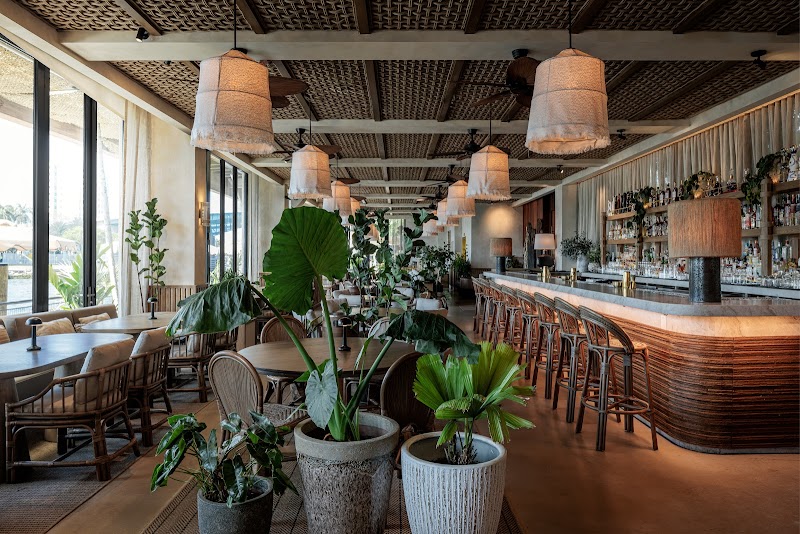
10Top restaurants

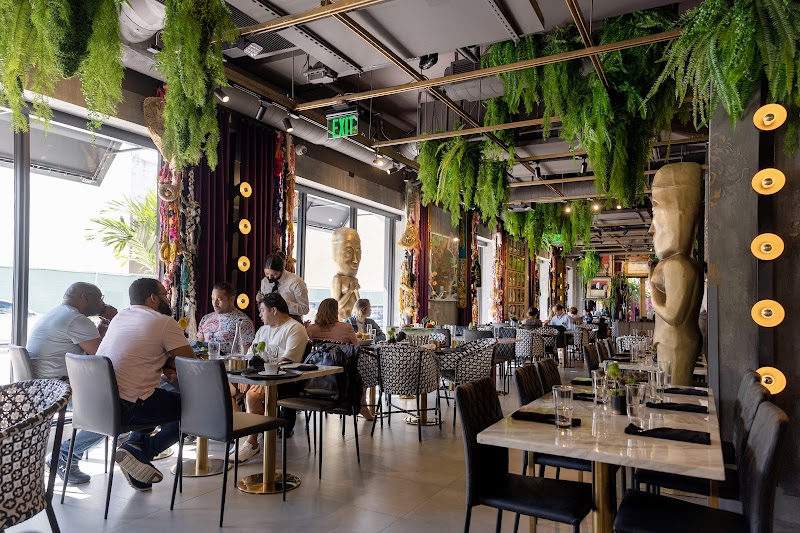
CVI.CHE 105 CVI.CHE 105
Cuisine: Peruvian Restaurant
People say this Peruvian restaurant serves delicious ceviche, grilled octopus, and lomo saltado. They highlight the fresh seafood, unique flavors, and generous portions. They also like the attentive staff and the lively, fun atmosphere.
View on Google Maps
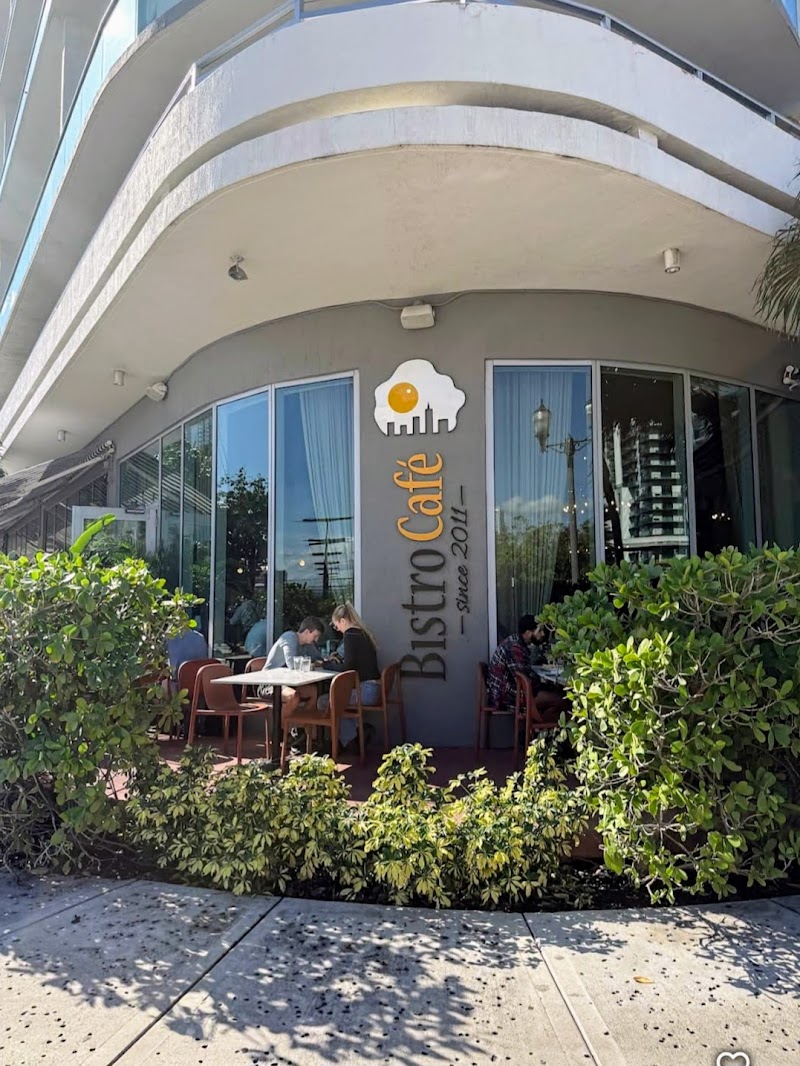
Nicoly Miyuki Bistro Café
Cuisine: Cafe
People say this restaurant serves delicious waffles, omelettes, and pancakes, with generous portions and beautiful presentation. They highlight the fair prices, the fun and energetic atmosphere, and the attentive and friendly staff. They also like the extensive menu and the creative coffee drinks.
View on Google Maps
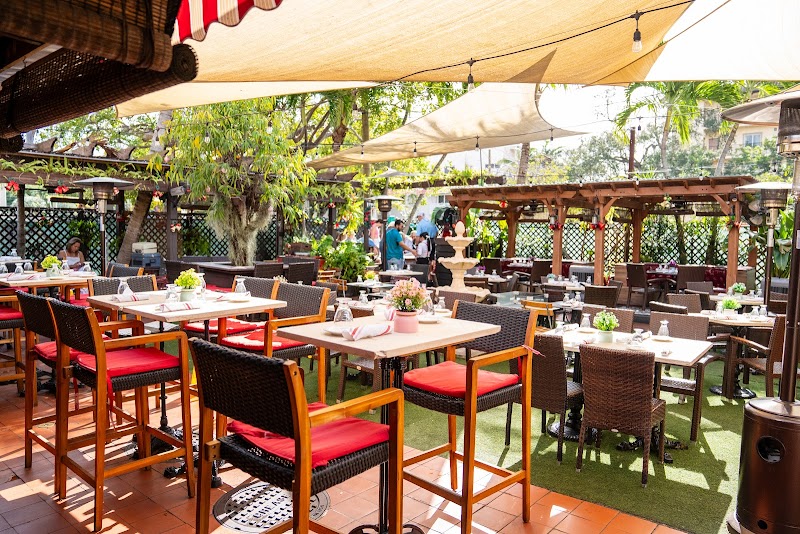
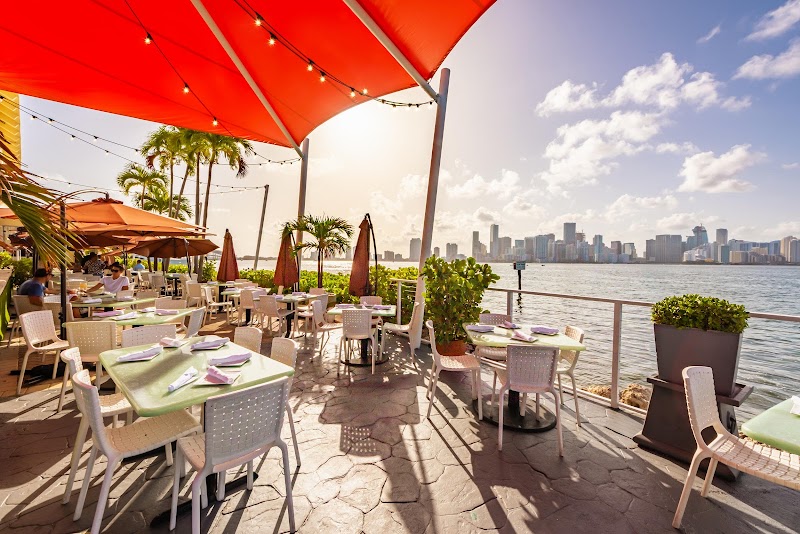
Old's Havana Cuban Bar & Cocina Old's Havana Cuban Bar & Cocina
Cuisine: Cuban Restaurant
People say this Cuban restaurant serves authentic dishes like ropa vieja, lechon asado, and pollo asado, and offers a variety of mojitos, including passion fruit and mango. They highlight the lively atmosphere with live music and dancing, and the beautiful outdoor patio. They also like the friendly, attentive, and know
View on Google Maps
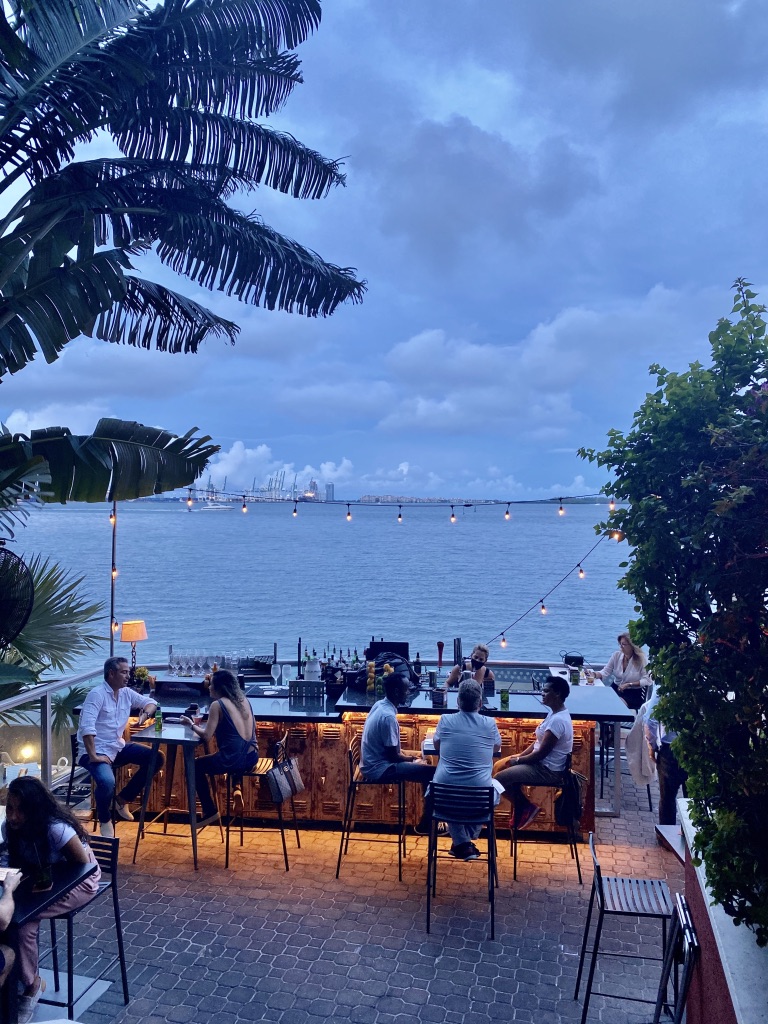
Crazy About You Crazy About You
Cuisine: American Restaurant
People say this restaurant serves delicious cornbread, croquettes, and steak and shrimp for two. They highlight the fun, lively atmosphere, the beautiful ocean view, and the attentive staff. They also like the reasonable prices and generous portions.
View on Google Maps
☀️Day-to-day lifestyle
Morning routines in Miami depend on your proximity to water. Lovers Key State Park fills with walkers and runners before the heat builds, while Café Miamo handles the coffee needs of those heading to offices rather than beaches. By afternoon, the city spreads out — some to the ArtCenter College of Design for workshops, others to medical appointments at the expanding healthcare facilities, many to the kind of errands that define real life anywhere. The Ritz-Carlton and Fishmarket represent the evening's range: special occasion waterfront dining or the reliable spot where servers know your usual. Weekends bring choices: Sanibel Sea School marine programs for the kids, Fort Myers Farmers Market for local produce, or simply another chance to use the boat that justified the mortgage premium. The Naples Art Association pulls culture seekers north, while beach communities to the west offer sunset routines that never get old. It's a rhythm that works year-round, though it shifts when snowbirds arrive and restaurant wait times double.
📍Neighborhoods
Miami's neighborhoods tell the story of a city growing in every direction. Downtown mixes historic buildings with new high-rises, all oriented toward Caloosahatchee River views — this is where urban energy meets water access. Head north and you'll find Pelican Bay, where golf course living comes with association fees that cover more than lawn care. Miromar Lakes offers a similar lifestyle with a different architectural vocabulary. The southern reaches of the city hold the single-family neighborhoods where teachers, nurses, and young families find their footing, with schools and parks within bike distance. The east-west corridor from Fort Myers to Cape Coral shows the full spectrum: beachfront condos that empty in summer, suburban developments where every house has a pool, and the in-between zones where original residents watch their property values climb. Each area has its own relationship with water, schools, and commute times — understanding these differences shapes every housing decision.
🌴Waterfront, parks, and nature
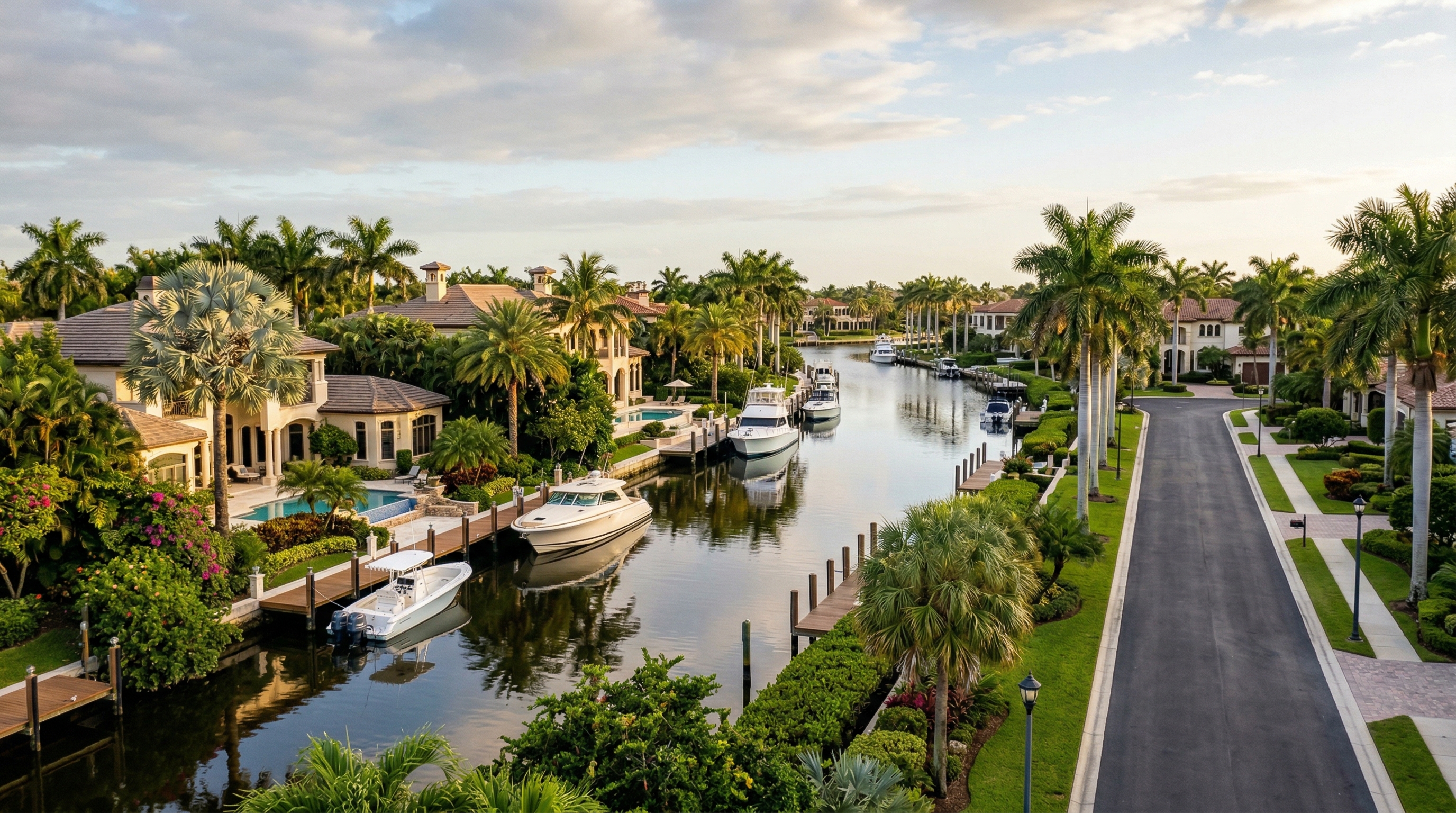
Miami's 25 miles of navigable waterways aren't just geography — they're infrastructure for daily life. The Caloosahatchee River connects to the Gulf of Mexico, making this a true boating city where 'gulf access' appears in listings for good reason. Sanibel-Captiva Conservation Area preserves the wild version of coastal Florida, with kayak trails through mangroves where dolphins surface at high tide. Fort Myers Riverfront Park brings urban amenities to the water's edge — not just boat launches but amphitheaters and running paths that fill at sunrise. The Lee County Trail System threads these spaces together, turning nature preserves into extended backyards for nearby neighborhoods. It's one thing to visit these places on vacation. Living here means knowing which boat ramp has the shortest wait on Saturdays, which trails flood after summer storms, and which preserve lots offer the best sunset views without the crowds.
8Top parks and preserves

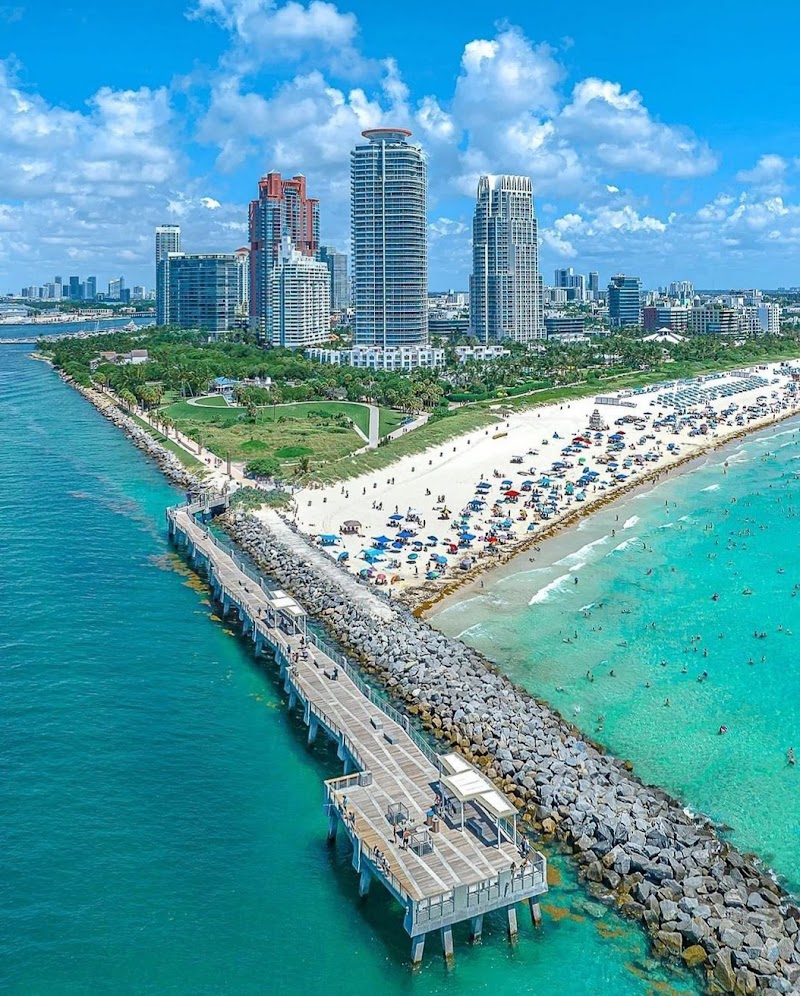
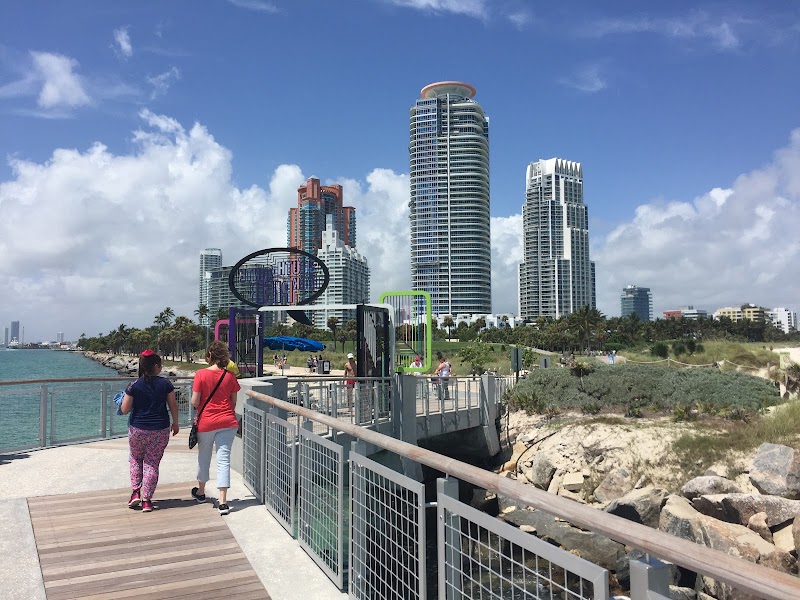
miguel Exposito South Pointe Park
Type: park
People say this park offers beautiful ocean views, a pier, and a splash pad, and is a great place to watch cruise ships depart and sunsets. They highlight the peaceful and relaxing atmosphere, and the clean and well-maintained grounds. They also like the affordable parking and family-friendly amenities.
View on Google Maps
Rafael Aznar South Pointe Park Pier
Type: fishing pier
People say this fishing pier offers beautiful views of the ocean, city skyline, and cruise ships. They highlight the relaxing and peaceful atmosphere, perfect for enjoying the breeze, watching the waves, and taking photos. They also like the well-maintained boardwalk, nearby playground, and picnic areas, making it a gr
View on Google Maps
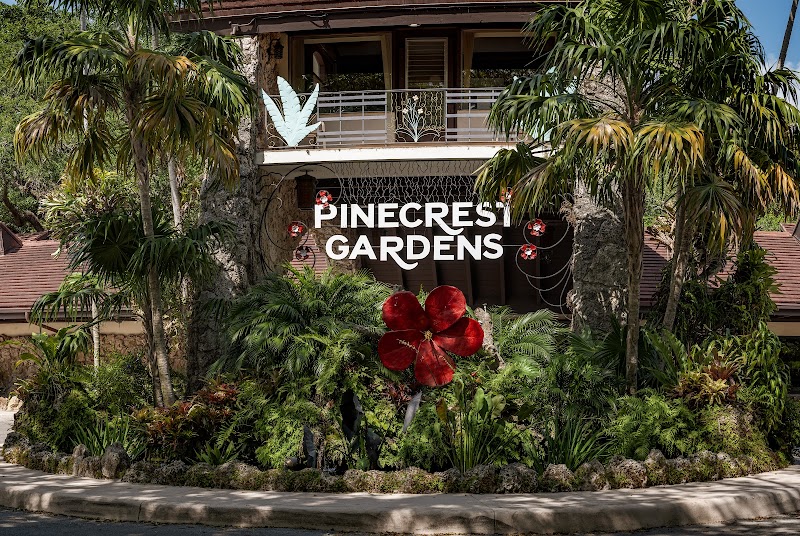
Harry Maier Pinecrest Gardens
Type: botanical garden
Visitors say this botanical garden offers a peaceful and educational experience for families, with a playground, splash pad, petting zoo, and farmers market. They also highlight the beautiful and well-maintained grounds, with lush tropical plants, walking trails, and a lake with swans.
View on Google Maps
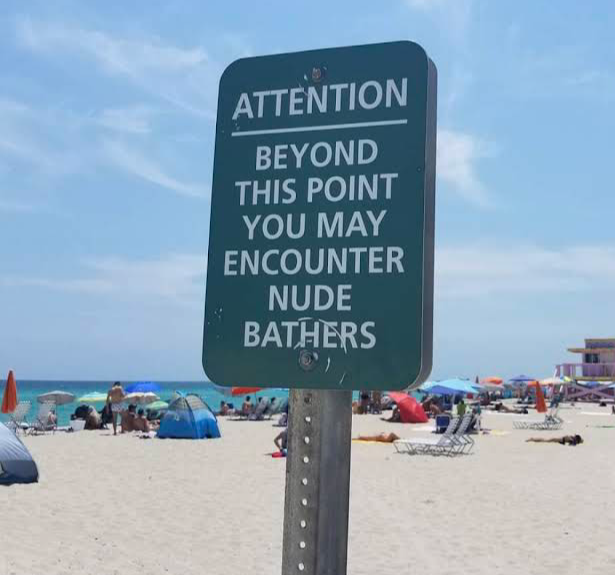
ARTFULL DODGER Haulover Nude Beach
Type: park
Visitors say this public beach offers a relaxing and fun atmosphere with friendly people, and they appreciate the freedom to be nude or wear clothing. They also highlight the clean sand and water, easy parking, and the availability of a food truck, chair and umbrella rentals, and restrooms.
View on Google Maps
🎭Community and culture
Community in Miami happens where water meets land. The Fort Myers Riverfront Arts Festival transforms downtown each spring, but the real culture lives in smaller rhythms — Sanibel Sea School programs where kids learn marine science from actual researchers, Lee County Sports Complex tournaments that fill hotels and restaurants year-round, and First Baptist Church of Fort Myers anchoring a faith community that predates air conditioning. Local leagues organize everything from softball to sailing, while civic groups balance growth with preservation, development with environment. The culture reads as Southern-polite-meets-beach-casual, where business casual means a collar and flip-flops might be acceptable depending on the venue. It's a place where neighbors still introduce themselves, where local businesses survive because residents make a point of supporting them, and where 'community involvement' means actual involvement, not just HOA meetings.
4Latin & Caribbean favorites

Crazy About You 
Old's Havana Cuban Bar & Cocina 
CVI.CHE 105
🌎Latino community
The Latino community shapes Miami's flavor — literally, at places like Versailles where Cuban coffee fuels morning conversations, and Old's Havana where families gather for celebrations that spill onto sidewalks. The annual Calle Ocho Festival brings the broader community together, but the real presence shows up daily: Spanish conversations at supermarkets, bilingual services at banks and medical offices, and local businesses where English and Spanish switch mid-sentence. The Baez Collective knows this community because we're part of it — we understand the informal networks that help newcomers find doctors who speak their language, schools where their kids won't be the only ones switching between languages at home, and neighborhoods where cultural celebrations are shared rather than observed. It's woven into the city's fabric, not a separate thread.
🎓Schools
Miami's schools tell different stories to different families. Fort Myers High School carries generations of alumni pride and strong academic programs. Sanibel-Captiva Community Schools offer a smaller, island-based education that some families drive extra miles to access. The district provides public, charter, and magnet options, with STEM and arts programs that compete regionally. But here's what matters: school quality varies by neighborhood and specific campus, not just district ratings. That magnet program might require a lottery. That great elementary might feed to a middle school you'll want to research carefully. Charter schools offer alternatives but come with their own transportation puzzles. Before you fall for a house, verify the attendance zones — they shift, and two blocks can mean different schools. Consider your kids' ages, interests, and how morning dropoff fits your commute. Your agent should map schools as carefully as they map flood zones.
📊Housing market
Miami's housing market reflects its dual personality. Historic districts hold 1920s bungalows where original wood floors meet updated kitchens — these move fast when priced right. Fort Myers Beach and Sanibel Island showcase the luxury end: gulf-view condos and estate homes where price tags match the sunset views. New construction fills the middle, particularly in planned communities with golf courses and gated entries. The market has momentum — demand from remote workers, retirees, and investors keeps inventory moving. But it's nuanced: waterfront properties command premiums that make sense only if you'll use the dock. Historic homes charm buyers until they price hurricane-resistant upgrades. New developments promise amenities but deliver HOA fees that shock northeasterners. First-time buyers find opportunities in established neighborhoods away from water, where solid homes from the 1980s and 1990s offer Florida living without the waterfront premium. Work with someone who knows which neighborhoods are appreciating versus which have peaked.
📈Economy and growth
Miami's economy runs on visible and invisible engines. Tourism and real estate generate the headlines — hotels, restaurants, and construction crews are hard to miss. But look closer: healthcare systems employ thousands, from Lee Health's network to specialized clinics serving aging populations. The education sector provides stable middle-class careers. Real estate services extend beyond agents to property management, title companies, and the entire ecosystem around housing. The airport expansion and highway improvements signal infrastructure keeping pace with growth. Tech companies discover the tax advantages and recruit from the growing young professional population. Yet growth creates friction: roads designed for a smaller city strain under current loads, affordable housing grows scarcer, and hurricane concerns shape every long-term plan. The city government talks sustainability while approving developments. It's manageable growth, but 'manageable' requires attention from residents and leadership alike.
🚗Getting around
Miami moves on wheels. The grid system helps — numbered streets run predictably — but knowing which routes flood, which intersections back up at 5 PM, and when to avoid the beach causeways takes time. Most residents drive everywhere, factoring traffic into daily calculations. Lee County Transit System runs buses and a commuter rail, useful for some routes but not comprehensive enough to ditch the car. Downtown grows more walkable each year, with riverfront paths and bike lanes that actually connect to destinations. But this isn't a city where you'll bike to groceries unless you choose your neighborhood specifically for that option. Beach communities offer golf cart cultures in season. The real navigation skill involves timing: when to run errands (not Saturday mornings), which route to take to the airport (depends on the day), and how to balance the desire for waterfront living with the reality of bridge traffic. Locals develop their own systems and shortcuts.
🗺️Nearby cities
Miami's position in Southwest Florida means options. Naples sits 45 minutes north — close enough for Waterside Shops and dining at Mercato, far enough to feel like a different world of manicured wealth. Fort Myers offers the urban balance: a revitalized downtown, museums, and the kind of services (hospitals, government offices) that anchor a region. Cape Coral spreads west with its canal system and family neighborhoods, drawing those who want more house for their money. Bonita Springs bridges the gap to Naples with beaches and a growing downtown. Sanibel and Captiva are technically separate municipalities but function as Miami's backyard beaches. Each city offers something Miami doesn't, whether it's Naples' luxury shopping, Cape Coral's newer construction, or Sanibel's preserved island feel. Understanding these relationships helps position Miami: more established than Cape Coral, more accessible than Naples, more diverse than the island communities. Your work, lifestyle, and tolerance for bridges determine which connections matter most.
🤝Working with us
You shouldn't have to decode a city from Zillow dots and school ratings. If Miami's mix of waterways, neighborhoods, and growth patterns feels complex, that's because it is. The Baez Collective helps you see past the listings to understand how this city actually works — which neighborhoods match your routine, where development is headed, and why that perfect house might come with imperfect logistics. Let's explore Miami together, with honest insights from people who live here.
Interested in this area?
We can connect you with a trusted local specialist who knows this market.