🏙️City identity
Tallahassee wears multiple identities comfortably. Yes, it's the state capital — the Florida State Capitol anchors downtown, and political influence shapes everything from restaurant reservations to rental availability. But it's equally a college town, where Florida State University and Florida A&M University don't just educate students; they define neighborhoods, drive the economy, and create the kind of energy that keeps graduates from leaving. The National High Magnetic Field Laboratory adds another layer — world-class researchers choosing Tallahassee over coastal cities because the work happening here matters. This isn't a sleepy government town or a party school city. It's both and neither. The real Tallahassee reveals itself in places like Cascades Park, where the amphitheater hosts concerts on the site of a former coal gasification plant — environmental restoration meeting community gathering space. Or in the way De Soto's historical encampment site sits quietly while the modern city grows around it. History isn't packaged for tourists here; it's woven into daily life. What makes Tallahassee distinctive isn't any single element — it's the combination. Where else in Florida do you get rolling hills, canopy roads, major universities, state government, cutting-edge research facilities, and a dining scene that ranges from Connors Steak & Seafood's prime rib to Harry's Seafood Bar & Grille's Creole flavors? The charm isn't manufactured. It's earned through decades of different communities finding ways to share the same small city.
🏡Why people move here
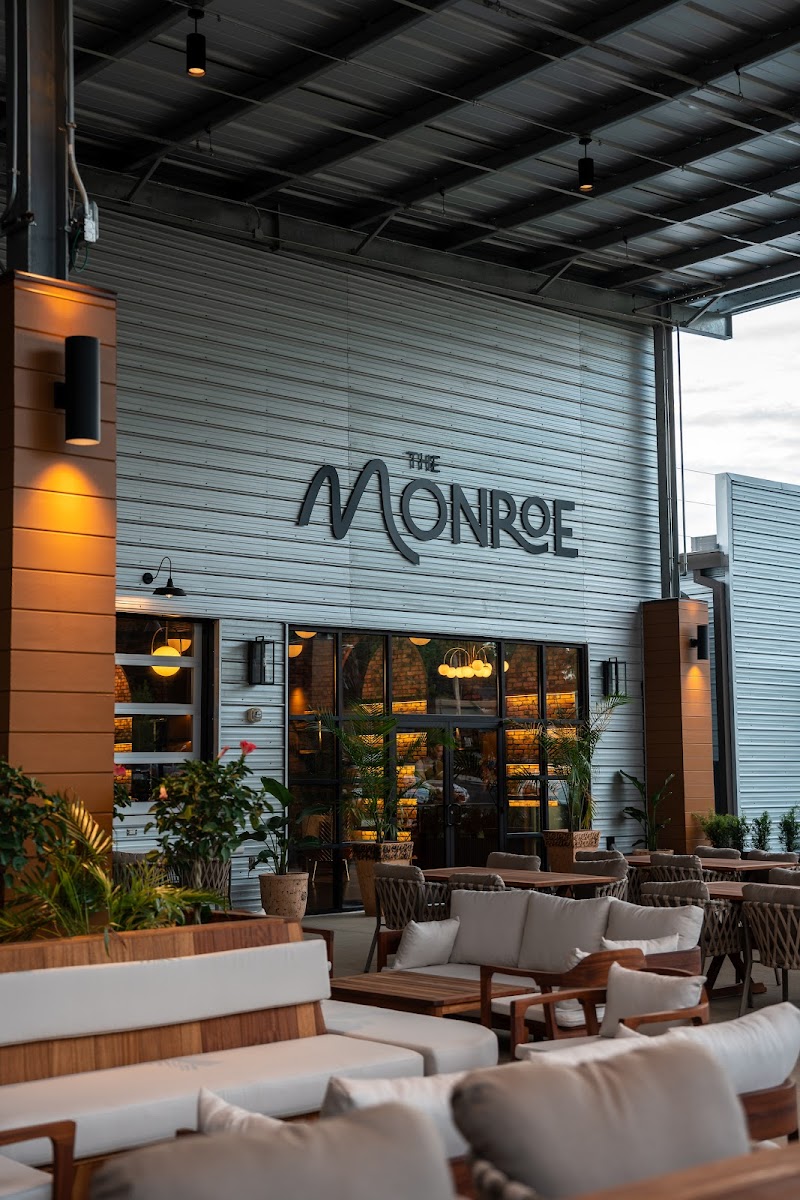
People don't stumble into Tallahassee — they choose it deliberately. The universities draw obvious crowds: students, professors, researchers. But look closer at who's actually buying homes here, and you'll find state workers who could live anywhere choosing to stay, FSU graduates who tried Miami or Atlanta and came back, and families who discovered that 'college town' doesn't mean 'not family-friendly.' The quality of life math works differently here. J. R. Alford Greenway isn't just a park — it's 16 miles of paved trails where you can actually bike to work or run without dodging traffic. Alfred B. Maclay Gardens State Park puts 1,176 acres of gardens, hiking trails, and lake swimming inside the city limits. These aren't amenities; they're part of the daily rhythm. The food scene tells you who lives here: Backwoods Crossing doesn't survive on tourist dollars — it thrives because locals value farm-to-table done right. The Monroe exists because enough people here appreciate upscale dining without pretense. Even the Chick-fil-A pulling massive review counts signals something: families live here, work here, and need Tuesday night dinner solutions just like everywhere else. But the real draw? Tallahassee offers something increasingly rare: a city where you can build a career without sacrificing community, where 'rush hour' means an extra 10 minutes, and where your kids can walk to school through neighborhoods with actual tree cover. The trade-offs are real — you're 25 miles from the nearest beach, and summer humidity rivals anywhere in the state. But for people who value education, green space, and a city that operates on a human scale, those trade-offs make sense.
10Top restaurants

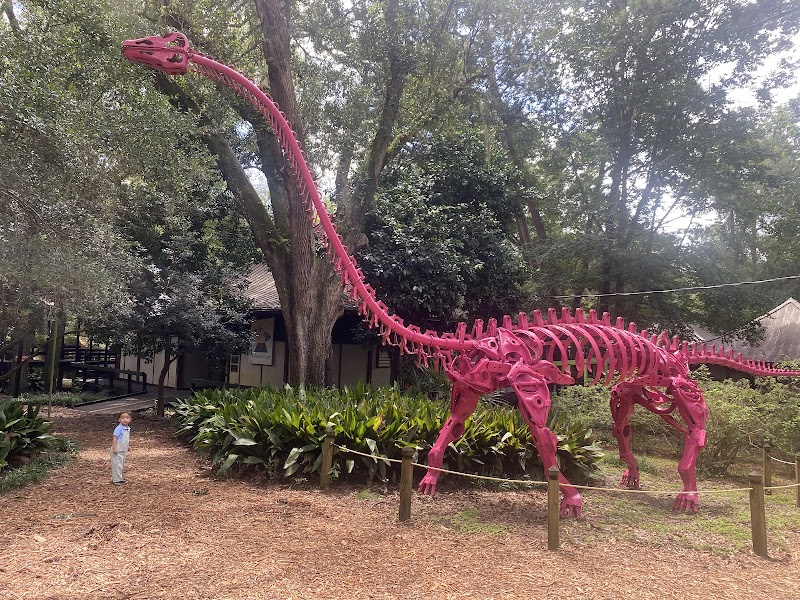
Ricardo Morales Rivas Tallahassee Museum
Cuisine: Museum
People say this museum offers a variety of activities, including a ropes course, zip line, and boardwalk, as well as animal exhibits and historic buildings. They highlight the educational and family-friendly atmosphere, and the opportunity to see animals in their natural environment. They also like the friendly and hel
View on Google Maps
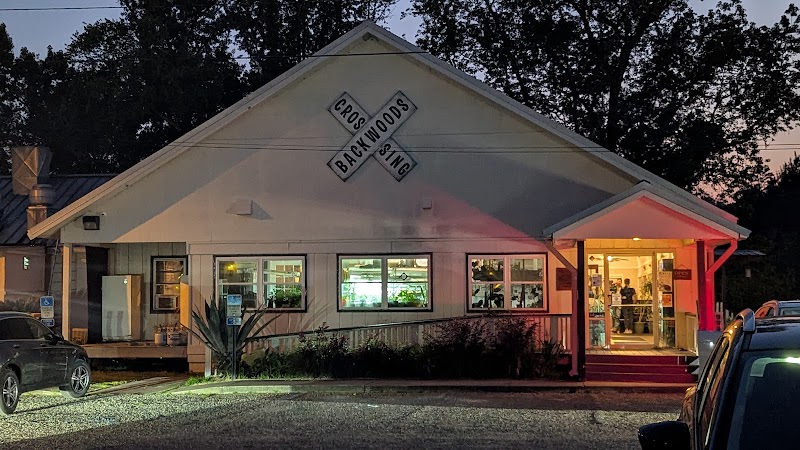
Jimmie Davis Backwoods Crossing
Cuisine: American Restaurant
People say this restaurant serves delicious, fresh, farm-to-table food with a variety of options, including catfish, crab cakes, and sandwiches. They highlight the reasonable prices, generous portions, and the unique, quaint atmosphere with a sweet garden surrounding the restaurant. They also like the friendly and atte
View on Google Maps
Connors Steak & Seafood Connors Steak & Seafood
Cuisine: Steak House
Diners say this steak house serves up delicious prime rib, ribeye, and strawberry shortcake. They also highlight the friendly and attentive service, and pleasant atmosphere.
View on Google Maps
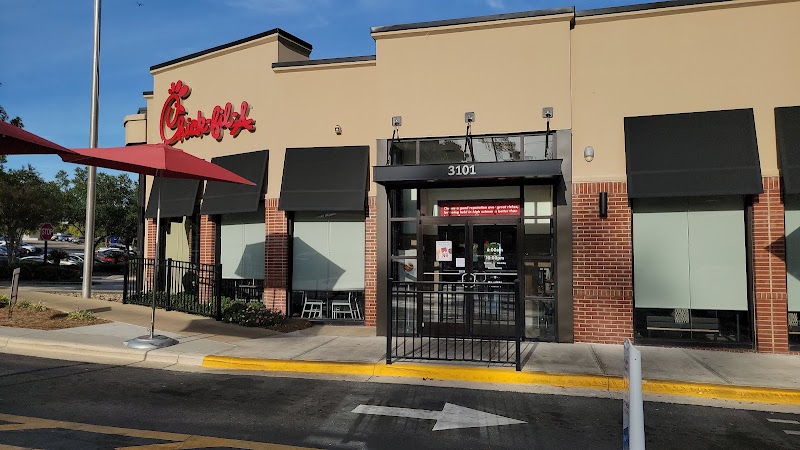
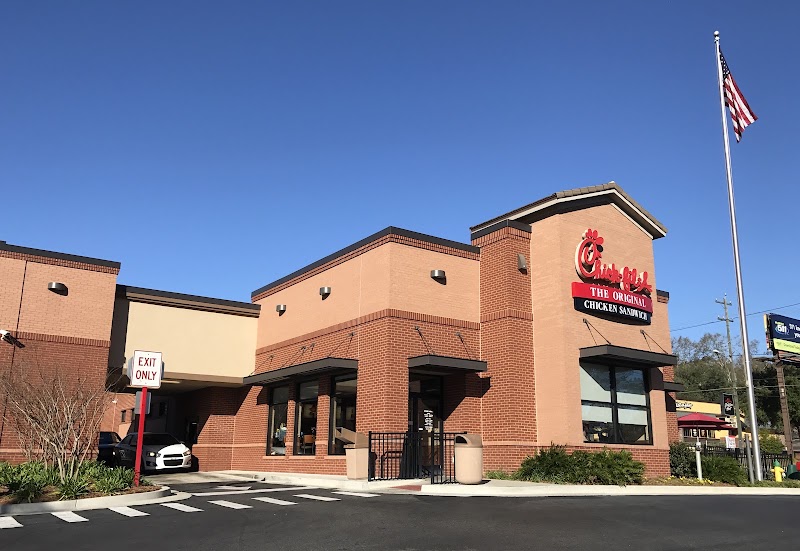
Santhana Drake Chick-fil-A
Cuisine: Fast Food Restaurant
People say this fast food restaurant serves grilled chicken sandwiches on gluten-free buns. They highlight the fast service and friendly staff. They also like the clean environment.
View on Google Maps
☀️Day-to-day lifestyle
Morning in Tallahassee starts with choices most Florida cities can't offer. You could hit J. R. Alford Greenway's trails early — runners and cyclists claim the shaded paths before the heat arrives. Or grab coffee and a spot at the Tallahassee Museum before the school groups descend. The elevation changes here mean morning fog actually burns off, not just hangs around all day. Lunch runs different depending on your corner of the city. Downtown workers know the Capitol lunch rush, but also know Backwoods Crossing rewards those willing to drive a bit for farm-fresh plates served in a converted general store that feels more North Georgia than North Florida. Students pack the lunch spots near campus, while families with flexibility hit the parks — Cascades Park's splash pad in warm weather, the gardens at Maclay when you need beauty more than burgers. Afternoons reveal Tallahassee's dual personality. When the legislature's in session, downtown hums with suits and urgent conversations. During football season, the garnet and gold tide starts flowing toward Doak Campbell hours before kickoff. But on a random Tuesday in October? You might have the historic Capitol grounds mostly to yourself. Evenings center on choices: The Monroe for date night when you want cloth napkins and no kids' menu. Harry's Seafood Bar & Grille when you're craving jambalaya and don't mind the noise. Connors Steak & Seafood for prime rib that justifies the price and strawberry shortcake that makes you plan your next visit before you've left. The amphitheater at Cascades Park pulls crowds for concerts, but the walking trails stay busy until dark — Tallahassee residents use their parks, not just talk about them.
📍Neighborhoods
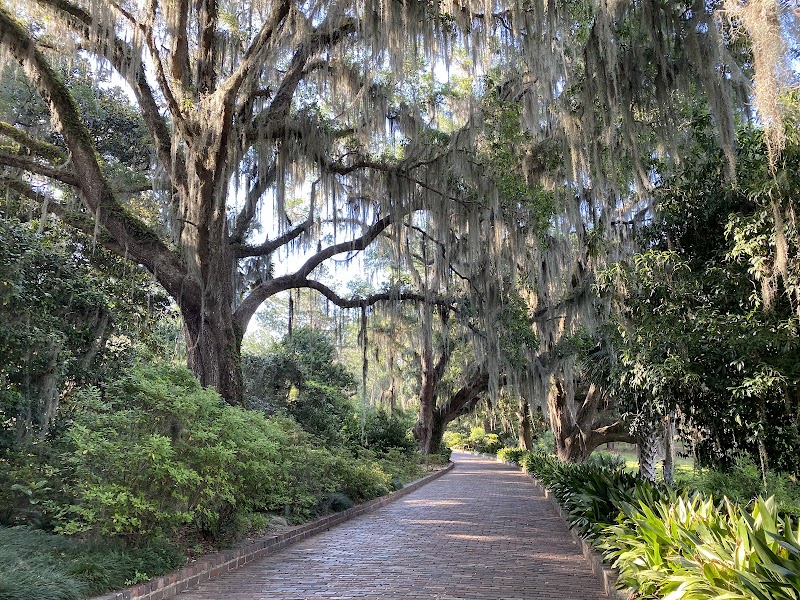
Tallahassee spreads across Leon County's rolling terrain like a city that grew organically, not according to a master plan. The western reaches push toward newer developments and commercial corridors — this is where the city's adding rooftops and retail, where you'll find the newest schools and the widest roads. Head east, and the city shifts. Mature lots with actual trees, not saplings. Neighborhoods where 'waterfront' might mean lake access, not ocean views. These eastern areas hold Tallahassee's history — homes that have watched the city transform from sleepy capital to thriving university town. Downtown operates as Tallahassee's practical heart. The Florida State Capitol anchors it, but this isn't a sterile government district. Historic buildings share blocks with new restaurants, and the mix of dining and cultural venues means downtown stays alive after 5 PM — not something every capital city manages. The university areas create their own gravitational pull. Near FSU and FAMU, the housing mix shifts to serve student needs, but also the professors, researchers, and staff who make these institutions run. These neighborhoods pulse with different energy levels — quiet in summer, electric during football season, steady during the academic year. What ties Tallahassee's neighborhoods together isn't architectural style or price point — it's the canopy. Those massive oaks draped in Spanish moss don't care about ZIP codes. They shade million-dollar homes and student rentals with equal generosity, creating the visual continuity that makes Tallahassee feel like one city, not a collection of subdivisions.
🌴Waterfront, parks, and nature
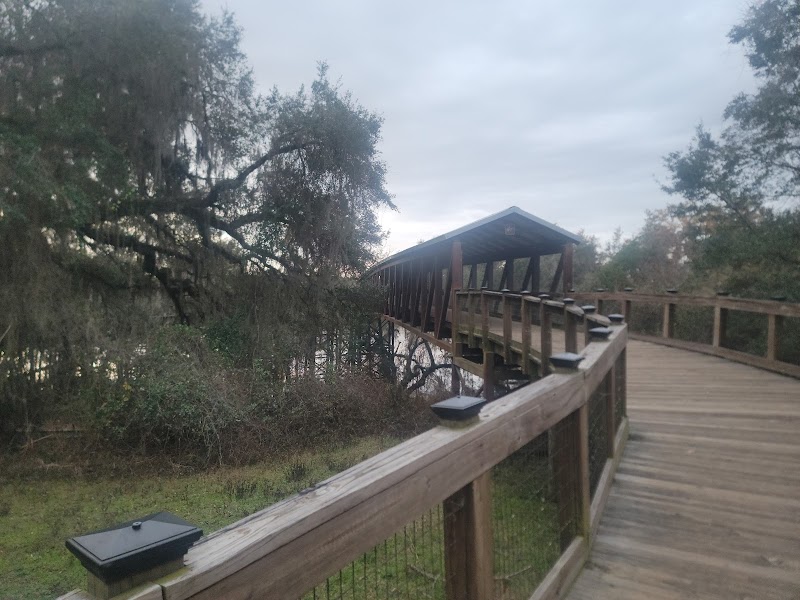
Tallahassee's natural amenities might surprise Florida newcomers expecting beaches and boat launches. Instead, you get elevation, shade, and the kind of green spaces that actually get used year-round. J. R. Alford Greenway leads the pack — 16 miles of paved trails that locals describe as 'peaceful and safe,' which matters more than any amenity list. Runners own the early mornings, cyclists claim the cooler evenings, and families fill the in-between hours. Alfred B. Maclay Gardens State Park brings a different energy. The 1,176 acres include those Instagram-worthy formal gardens, yes, but also hiking trails that actually challenge and a lake where swimming feels earned after the hike. This isn't a drive-through-and-take-photos park — it's where Tallahassee residents disappear for entire weekend afternoons. Cascades Park represents something else entirely: urban planning done right. They took a former industrial site and created walking trails, a splash pad that saves summer afternoons, a playground that actually exhausts kids, and an amphitheater that hosts everything from symphony concerts to food truck rallies. It's green space with a purpose, not just grass and benches. The genius of Tallahassee's outdoor spaces? They're woven into daily life, not set aside for special occasions. You don't drive 30 minutes to 'get to nature' — you bike through it on your commute, walk it with your dog after dinner, or meet friends for a Greenway run instead of a gym session. These spaces enhance quality of life by being accessible, not exclusive.
8Top parks and preserves

C R J. R. Alford Greenway
Type: park
People say this park offers beautiful trails for running, walking, and biking. They highlight the peaceful and safe atmosphere, and the opportunity to see wildlife like deer, rabbits, and alligators. They also like the well-maintained trails and scenic views of the water and treetops.
View on Google Maps
Michael Tolia 
Mz. Kitty Alfred B. Maclay Gardens State Park
Type: state park
People say this state park offers beautiful gardens, hiking trails, and a lake with swimming. They highlight the peaceful and relaxing atmosphere, perfect for picnics and enjoying nature. They also like the well-maintained grounds and the variety of recreational activities available.
View on Google Maps
Don Armstrong Dorothy B. Oven Park
Type: park
Visitors say this park is a beautiful place to enjoy Christmas lights, especially during the holidays. They also highlight the well-maintained walking trails, convenient location, and family-friendly atmosphere.
View on Google Maps
🎭Community and culture
Tallahassee's culture doesn't announce itself with neon signs — it reveals itself through patterns. The Tallahassee Museum pulls steady crowds because it offers what families actually want: education wrapped in entertainment, history made tangible, nature made accessible. It's the kind of place grandparents take grandkids, where field trips happen weekly, where membership actually saves money if you go more than twice. The dining scene maps the city's personality. Backwoods Crossing succeeds with farm-to-table because enough people here care where their food comes from. Connors Steak & Seafood maintains its reputation (prime rib and strawberry shortcake get specific mentions in reviews) because special occasion dining matters here. Even the Latin/Caribbean presence — Chili's Grill & Bar represents the chain side — shows a community with diverse tastes, even if it's not the city's strongest suit. The Chick-fil-A pulling massive review numbers? That's not just fast food — that's families managing Tuesday soccer practice, Wednesday church activities, and Thursday study sessions. It's infrastructure for how people actually live. What defines Tallahassee's community character is this mix of high and approachable. You can discuss magnetic field research over coffee, debate state policy over lunch, and catch a student theater production after dinner. The culture isn't imported or imposed — it grows from having two major universities, the state government, and a population that chose to stay after graduation. Hospitality here means good food served without pretense, whether that's at The Monroe's white tablecloths or Harry's Seafood Bar & Grille's casual chaos.
1Latin & Caribbean favorites
🎓Schools
Tallahassee's education landscape starts with the obvious: Florida State University and Florida A&M University don't just educate college students — they shape the entire city's approach to learning. When your neighbors include professors, researchers, and graduate students, education becomes part of the community conversation, not just a school board issue. The K-12 scene reflects this academic influence. Leon County Schools offers the full menu: traditional public schools, charter options, and magnet programs that actually mean something. But here's what matters: proximity to universities means access to resources many districts can't match. Science fair judges who work at the National High Magnetic Field Laboratory. Mentorship programs staffed by actual graduate students. Fine arts programs that can tap university talent. Parents navigating school choice here need to think beyond test scores. Yes, check the zones — they matter and can change. But also consider fit: Is your child drawn to STEM? The university connections here create opportunities. Arts-focused? Between FSU's programs and FAMU's renowned marching band culture, inspiration surrounds them. Athletics? This is a city that takes Friday night football seriously and has the facilities to prove it. The real advantage of Tallahassee schools isn't captured in rankings — it's in the assumption that education continues beyond graduation. When college feels inevitable rather than optional, when research careers seem attainable because you see them daily, when learning becomes lifelong because that's what everyone around you does — that shapes kids differently. Your agent should know not just school zones but school cultures, because in a city this education-focused, fit matters more than ratings.
📈Economy and growth
Tallahassee's economy runs on three engines, and understanding them helps explain both its stability and its limitations. The state government provides the steady baseline — jobs that don't disappear with market swings, salaries that support mortgages, and a reason for restaurants and services to maintain consistent quality. When the legislature's in session, the economic pulse quickens, but the foundation remains year-round. The universities — FSU and FAMU — create a different economic layer. Beyond direct employment (and these institutions employ thousands), they generate the kind of spending that supports everything from apartment complexes to art supply stores. Research grants flow through the National High Magnetic Field Laboratory and other facilities, bringing federal and private money that wouldn't otherwise touch North Florida. The third engine? The businesses that exist because smart people choose to stay. Consulting firms started by former state employees. Tech companies founded by FSU graduates. Research spin-offs from the Mag Lab. This isn't Austin or Research Triangle yet, but the seeds are there. Infrastructure investment follows the growth, sometimes struggling to keep pace. Road projects happen, but Tallahassee's commitment to tree canopy means widening takes longer and costs more. That's a choice the city makes repeatedly — preserving character over pure efficiency. The growth trajectory points upward but at a pace that lets the city digest change rather than be overwhelmed by it. For job seekers, this means stability over explosive opportunity. For businesses, it means a deep talent pool with reasonable competition for that talent. For everyone, it means a city that grows deliberately, not desperately.
🚗Getting around
Tallahassee moves at car speed, but not car stress. This is a driving city — let's be clear about that upfront. The corridors make sense once you learn them: Tennessee Street cuts east-west through the university district, Thomasville Road runs north into those leafy neighborhoods, Capital Circle loops around everything when you need to bypass campus traffic. What makes driving here different from most Florida cities? Hills, curves, and those canopy roads that make even commutes feel scenic. You're not grinding down six-lane highways — you're winding through roads that follow old paths, shaded by oaks that have right-of-way over development. Biking here isn't an afterthought. J. R. Alford Greenway's trails connect neighborhoods to parks to shopping areas. Dedicated bike lanes appear where they matter most. This isn't Amsterdam, but it's not hostile to cyclists either. The university population keeps bike culture alive and influences infrastructure decisions. Pedestrian life concentrates in pockets: around the universities, obviously, where walking beats parking. Downtown during business hours. The entertainment districts when evening arrives. But between these walkable zones, you'll drive. The city's spread and hill terrain make that reality non-negotiable. Public transportation exists — StarMetro buses run routes that matter — but coverage and frequency mean most residents don't rely on it for daily needs. If you're coming from a city with robust public transit, adjust expectations. If you're coming from rural Florida or another car-dependent place, you'll find Tallahassee's traffic refreshingly manageable. Rush hour adds 10-15 minutes, not the hour-plus of larger metros. Parking downtown requires strategy during legislative session but stays reasonable otherwise. The real navigation challenge isn't traffic — it's learning which beautiful canopy road takes you where.
🗺️Nearby cities
Tallahassee sits far enough from other major Florida cities to feel like its own world, which shapes its character more than people realize. Gainesville lies about 150 miles southeast — another university town but with a different rhythm, built around UF's massive presence and medical facilities. When Tallahassee residents talk about 'going to another city,' Gainesville often comes up for specialized medical care or Gator games when rivalry allows. Panama City Beach sits 100 miles southwest, offering what Tallahassee deliberately lacks: beaches, tourist energy, seafood fresh from the boat. It's close enough for weekend trips but far enough that Tallahassee never became a beach bedroom community. Residents here choose hills over waves, canopy over coast. Jacksonville sprawls 165 miles east — Florida's largest city by area offers urban amenities Tallahassee can't match, but at a complexity cost many Tallahassee residents actively avoid. Thomasville, Georgia, just 35 miles north, provides a different escape: antique shopping, plantation tours, and that small-town Georgia charm that pairs surprisingly well with Tallahassee's energy. The distance to other major cities isn't a bug — it's a feature. Tallahassee developed its own identity because it had to. When you're not anyone's suburb, when you can't commute to another city's jobs, you create your own economy, culture, and community. This isolation-by-choice means that when people pick Tallahassee, they're picking Tallahassee specifically, not just 'somewhere in North Florida with good schools.' That intentionality shapes everything from neighborhood development to restaurant quality — this city has to be complete because residents can't easily supplement what's missing.
🤝Working with us
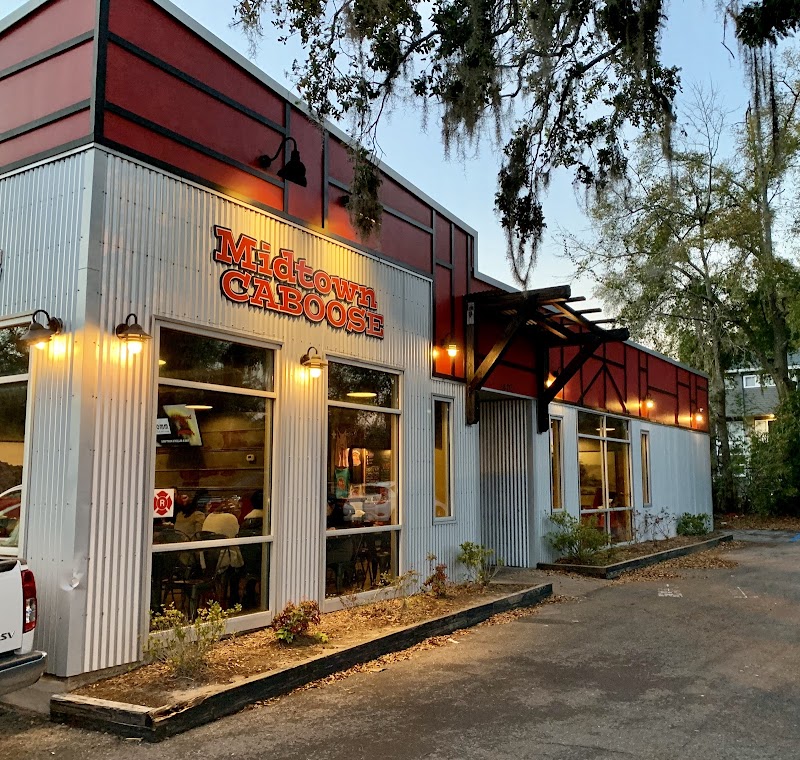
Tallahassee rewards those who understand its layers — the difference between Midtown and downtown, why certain neighborhoods empty during summer, which restaurants survive on locals versus legislative sessions. The Baez Collective brings that insight to your search. We help you see past listings to find where you'll actually want to live once the newness wears off.
Interested in this area?
We can connect you with a trusted local specialist who knows this market.