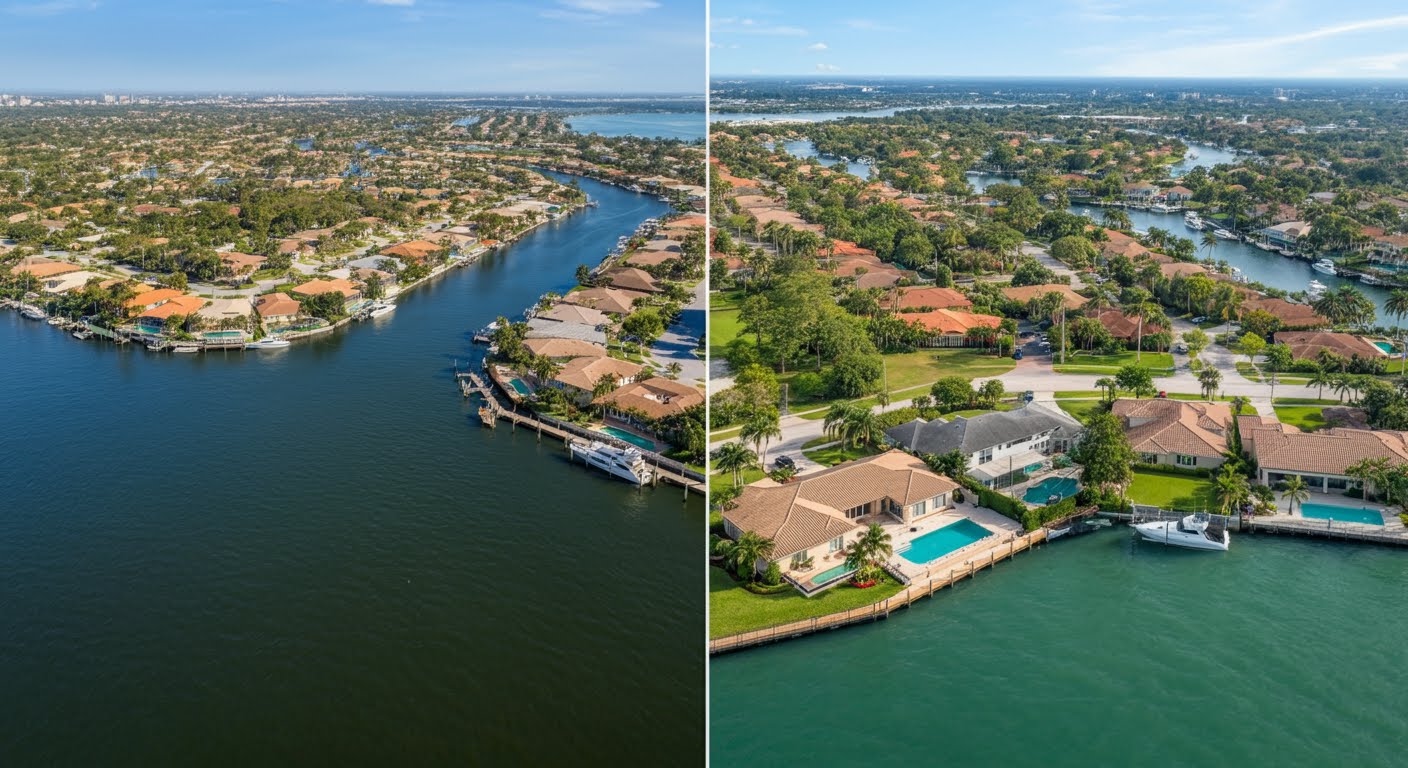
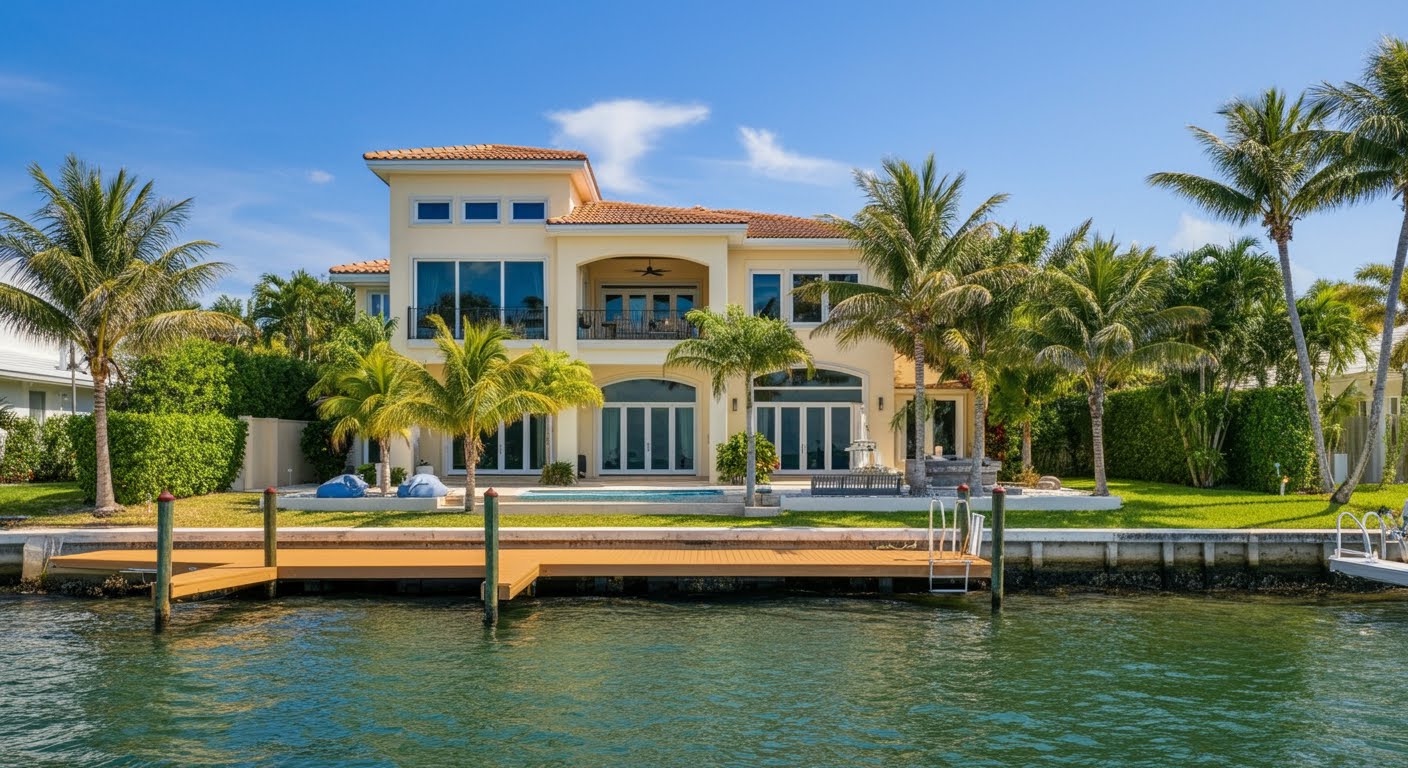
If you are planning a move to Southwest Florida from the Northeast, the Midwest, or Canada, most of the advice you will read online is a few years out of date. The 2021 playbook — fly down for a long weekend, tour twelve homes, write three offers, win one, close in 21 days — does not describe this market anymore. Inventory sits longer, sellers are more negotiable, and buyers have room to think. That part is easier.
What has gotten harder is the back half of the transaction. Insurance binder windows are tighter, wind mitigation and 4-point inspections have become deal-shaping documents, and the order in which you do things now matters more than the speed. This post walks through the process I would use if I were relocating to Cape Coral, Fort Myers, or Naples from another state in 2026 — what to do before the plane ticket, how to structure the showing trip, and where the closing calendar actually gets set.
Why the Order of Operations Matters in 2026
In the frenzy years, the winning move was speed. Buyers who could write clean offers within hours of a listing hitting the market beat buyers who wanted to do homework first. The market rewarded that behavior, and it created a lot of habits that no longer serve people well.
In 2026, the buyer pool is smaller and more careful. Homes in most SWFL price ranges sit on the market long enough for you to actually think. Sellers are used to negotiating on price, on repairs, and on closing timelines. What you gain from that shift, you can lose right back if you sequence the transaction incorrectly — because the constraints on the deal have moved from the offer stage to the underwriting and insurance stage.
The practical implication: a buyer who shows up to a showing trip without pre-approval, without a clear insurance picture for their target zip codes, and without a plan for remote inspections will burn 30 days and possibly lose a deposit. A buyer who front-loads the paperwork before the plane ticket gets a much cleaner path.
Pre-Approval Before the Plane Ticket
Get fully underwritten pre-approval before you book the trip. Not a rate quote, not a soft pre-qual — a real pre-approval where a lender has reviewed your income documentation, credit, and assets and issued a letter with a specific dollar amount.
Here is why this matters more from out of state. If you find a home you like on day two of a four-day trip and want to write an offer that afternoon, the pre-approval letter is what makes your offer credible. Sellers in 2026 are more willing to negotiate, but they are also more skeptical — they have seen deals fall apart at the financing contingency, and they price that risk into how they respond to offers.
A few things I would want in place before flying down:
- A pre-approval letter dated within the last 30 days, with the maximum purchase price and loan program noted
- Proof of funds for your down payment and closing costs, in an account you can actually pull from quickly
- A working relationship with a Florida-licensed lender, not just your home-state bank — many national banks are slow on Florida condo approvals and coastal properties
- A clear conversation with your lender about which zip codes and property types they are comfortable financing, because some coastal condos and older waterfront homes are harder to close
The trade-off with early pre-approval is that a hard credit pull will ding your score by a few points and the letter has a shelf life. That is a small cost compared to writing an offer you cannot back up.
Structuring the Showing Trip — Days, Not Hours
Three to four days on the ground is the right length for most out-of-state buyers. Two days is not enough to see multiple submarkets and still process what you saw. Six days starts to blur and you make worse decisions at the end than at the beginning.
Here is how I would structure a four-day trip if you are still deciding between areas — say, Cape Coral versus Fort Myers versus a Bonita Springs or Estero option:
- Day one — orientation, not offers. Drive the areas you think you like. Not homes yet, just neighborhoods. Grocery stores, drive times to the beach, drive times to the airport, what the streets look like at 5 p.m. on a weekday. Most buyers cut one or two areas from their list on day one just by seeing them in person.
- Day two — a focused block of showings. Six to eight homes maximum, grouped geographically. More than eight and they blur. The goal is to identify your top two or three, not to see everything.
- Day three — second showings and the neighborhood test. Return to your top contenders. Walk the street. Talk to a neighbor if one is out. Drive to whatever you would drive to daily. This is also the day to look at any properties that came on the market during your trip.
- Day four — offer conversations, or a decision to keep looking. If you have a clear front-runner, this is when you sit down and structure the offer. If nothing was quite right, you go home with a much sharper filter for the virtual showings that come next.
What you actually look at on those showings has also changed. In 2026, buyers should be looking at roof age, roof documentation, elevation, and the seller's insurance renewal history the same way they look at kitchens. A beautiful kitchen does not fix a 22-year-old roof that will not bind for a homeowner's policy.
Virtual Showings — When They Work and When They Fail
Virtual showings are useful and often necessary for out-of-state buyers. They also have failure modes that are worth naming honestly.
Where they work well: narrowing a list. If I am walking a home for you with a phone or a gimbal, showing you condition, layout, natural light, the yard, the view from each window, the noise level from the road, and the surrounding street — that is a good use of the tool. You can eliminate homes and rank contenders without flying down. This is also how many buyers make offers on new listings that come up between trips.
Where they fail: as a substitute for ever setting foot on the property. A video does not show you humidity, smell, small settling cracks, seawall condition on a canal home, or how the neighborhood actually feels. I have seen buyers write offers sight-unseen in 2021 and be fine because the market was moving so fast that everyone did it. I have also seen buyers in 2024 and 2025 close on a house they had only seen on video and be genuinely surprised by things a walk-through would have caught.
The reasonable middle ground for 2026: use virtual showings to narrow the field and even to get to an accepted offer, but structure your contract so that your in-person visit — or a thorough independent inspection with a detailed video walk-through — happens inside the inspection period, and negotiate that inspection window long enough to matter.
Inspections From Out of State — Who Attends, Who Reports
The mechanics of a SWFL home inspection when you are 1,500 miles away are more manageable than most buyers expect, but only if you set them up correctly.
Standard practice: your general home inspector goes to the property during your inspection period (typically 10 to 15 days in Florida contracts, negotiable). You do not need to be there. What you should ask for is a detailed written report with photos, and a phone or video call with the inspector to walk through the findings. A good inspector will hold that call.
For any SWFL home built before 2005, or any home you plan to insure through the standard market, you will want two additional inspections on top of the general home inspection:
- Wind mitigation inspection. This documents the roof shape, roof attachment method, roof-to-wall connections, and opening protection. It is the single biggest driver of homeowner's insurance pricing in Florida. A home with hurricane straps, a hip roof, and impact-rated windows can carry a wind premium thousands of dollars per year lower than an identical home without those features. The inspection itself runs $75 to $150 and pays for itself immediately.
- 4-point inspection. Required by most insurers for homes older than roughly 25 to 30 years, covering roof, electrical, plumbing, and HVAC. If any of the four is at end of life, insurers may decline to write coverage until it is replaced. This is the most common reason a deal that looked fine on the surface hits a wall three weeks in.
Depending on the property, you may also want a roof certification from a licensed roofer, a seawall inspection from a marine contractor (on any canal home), and a wood-destroying organism (WDO) report. For older properties or anything with prior storm claims, a review of the property's Cape Coral or Lee County permit history is also worth the small cost.
You do not attend any of these. What you do is read the reports carefully within the inspection window and decide, with your agent, what to negotiate — repair credits, price reduction, or walking away. From out of state, this is the highest-leverage 72 hours of the entire transaction.
Insurance Binder Windows — What Actually Drives the Closing Calendar
This is the part of the 2026 process that most out-of-state buyers underestimate. Your closing date is no longer set primarily by the lender. It is set by insurance.
In practice, here is what happens. Once you are past inspection and have a signed contract, your lender needs a bindable homeowner's insurance policy in place before closing. The insurer needs the wind mitigation report, the 4-point report, and often the roof documentation before they will issue a bindable quote. That quote typically has a binder window of 30 to 60 days — meaning the policy must incept (start) within that window or the quote expires and the underwriting starts over.
What this means for you: the insurance clock starts ticking the moment those inspection documents are ready, and closing needs to happen inside that window. If the deal drags — because of a lender delay, an appraisal issue, a title problem, or a repair negotiation — the insurance quote can expire and you may face a materially higher premium on the second quote, or in some coastal areas, no standard-market quote at all. That is when buyers end up in Citizens, the state-backed insurer of last resort, which is often more expensive and comes with its own eligibility rules.
The practical fix is to sequence tightly:
- Order inspections early in the inspection period, not late
- Get wind mit and 4-point reports to a Florida-based insurance broker within 48 hours of receipt
- Have your homeowner's quote in hand and the binder date coordinated with your closing date, not the other way around
- Do not accept closing date extensions casually — every extension risks the insurance quote
The Southwest Florida Reality Layer
The framework above applies to any out-of-state Florida purchase, but SWFL has some specifics worth naming. Post-Ian insurance dynamics still shape which homes are easily insurable in Lee County — properties in Cape Coral that took storm surge in 2022 and were properly remediated with new roofs and elevated mechanicals are often now easier to insure than a nearby home that only had cosmetic repairs, because insurers can see documented improvements.
Naples and Collier County generally have a somewhat different insurance market — higher property values, different flood zone patterns, and more condo inventory where the master policy of the association drives your individual insurance picture more than the unit itself. If you are looking at condos in Naples or Marco Island, ask early about the association's master policy, any special assessments from recent structural inspections required under Florida's condo law, and the reserve study. The building's finances can affect your ability to get financing at all.
Fort Myers is a broader market with everything from riverfront to inland golf communities, and insurance costs vary widely inside the city — a home four miles inland can carry a premium half of an equivalent home two miles from the water. If you are still deciding among areas, this is a real cost variable to model, not a small line item.
Snowbirds and part-year residents should also think early about the Save Our Homes cap and homestead exemption. If this home will be your permanent Florida residence, filing for homestead by March 1 of the year after closing locks in the assessment cap that produces most of the long-term tax savings of Florida ownership. If it will be a second home, that benefit does not apply — a distinction that changes the long-run math.
What the Next Conversation Looks Like
If your situation looks like this — you are 60 to 180 days out from a potential move, you have a general sense of the area but not a firm neighborhood, and you want to structure a trip that actually accomplishes something — here is the conversation I would want to have with you.
Twenty to thirty minutes on the phone or video. We talk about what you are trying to accomplish, what your work and family constraints look like, what your financing picture is, and which SWFL submarkets actually fit. From there, I can put together a realistic showing itinerary, connect you with a Florida-based lender if you do not already have one, and give you a target insurance range for the areas you are considering. If you want to see current property values in specific neighborhoods before we talk, our home value tool is a reasonable starting point, and you can always reach out through the contact page when you are ready.
None of that costs anything, and it is much better done before the plane ticket than after.
Equal Housing Opportunity. Freddy Baez · Florida Broker BK3274734 · The Baez Collective at eXp Realty. Information here is general guidance, not legal, tax, or investment advice — please consult a qualified professional for your specific situation.