The Overall Picture: Cheaper Than the Northeast, Not Cheap
Southwest Florida is frequently marketed as an affordable alternative to high-cost coastal markets in the Northeast and California. The marketing isn't wrong, exactly — but it's incomplete. SW Florida is genuinely more affordable than New York, Boston, or San Francisco on most measures. It is not, however, a low cost of living market in absolute terms. Insurance costs, utilities, and dining have all risen significantly over the past several years.
The honest framing: SW Florida costs less than where most people are coming from when they move here, but costs more than people often budget for when they're doing their planning from afar. Here's the actual 2026 breakdown by category.
Housing: Still the Primary Advantage
Housing is where SW Florida's value proposition is clearest and most significant. Compared to major northeastern metros, the gap is real and large.
Cape Coral / Fort Myers (purchase):
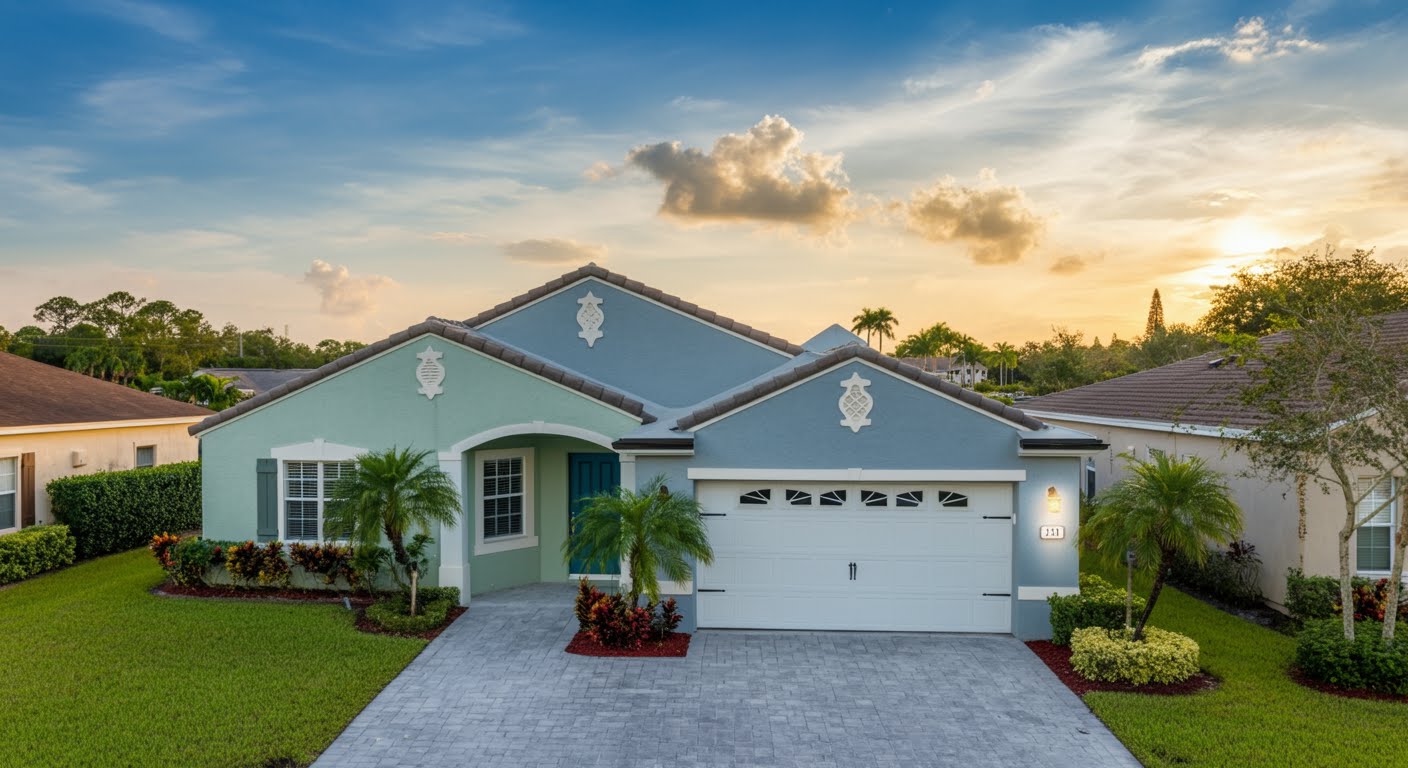
- Entry-level 3BR/2BA home: $310,000–$420,000
- Mid-range 3BR/2BA pool home: $420,000–$600,000
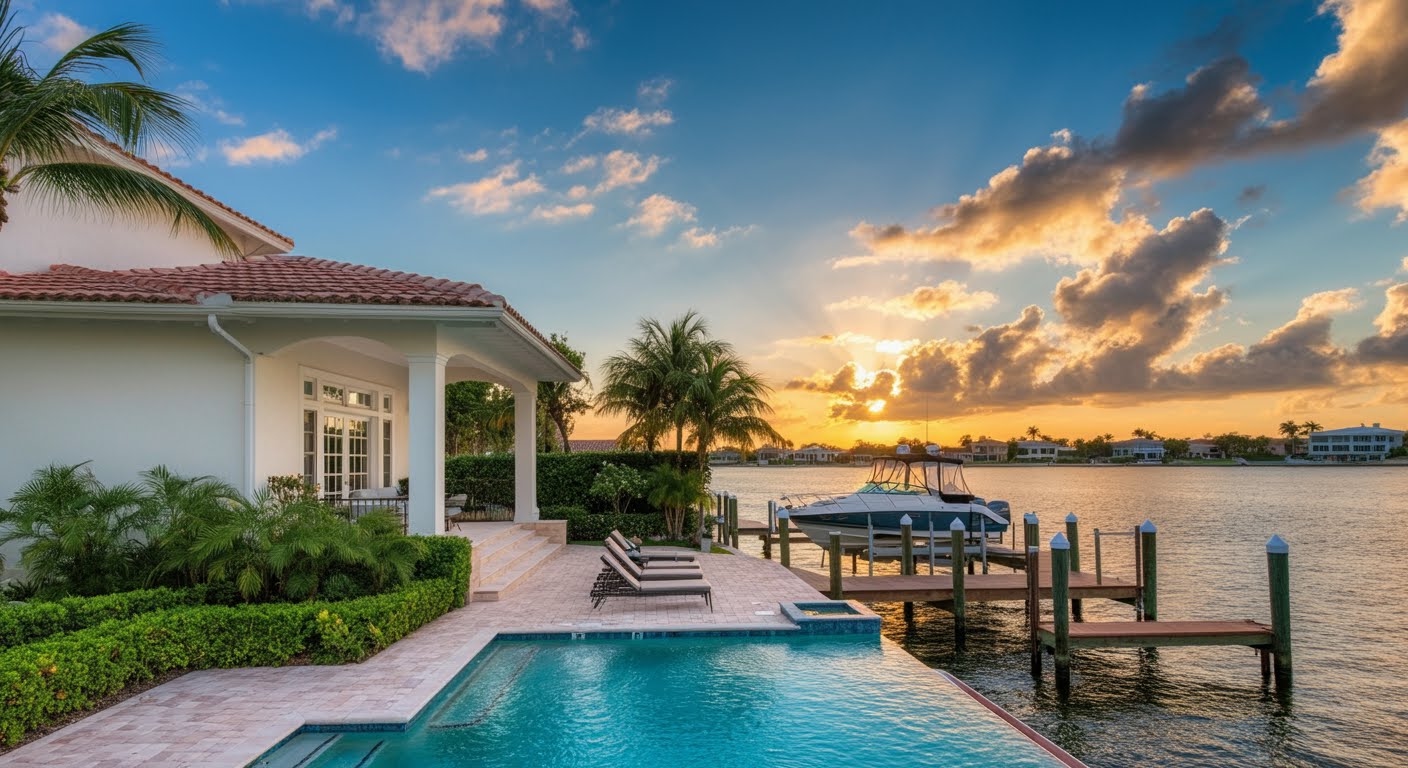
- Gulf-access canal home: $550,000–$900,000+
Naples (purchase):
- Condo or townhome: $350,000–$700,000
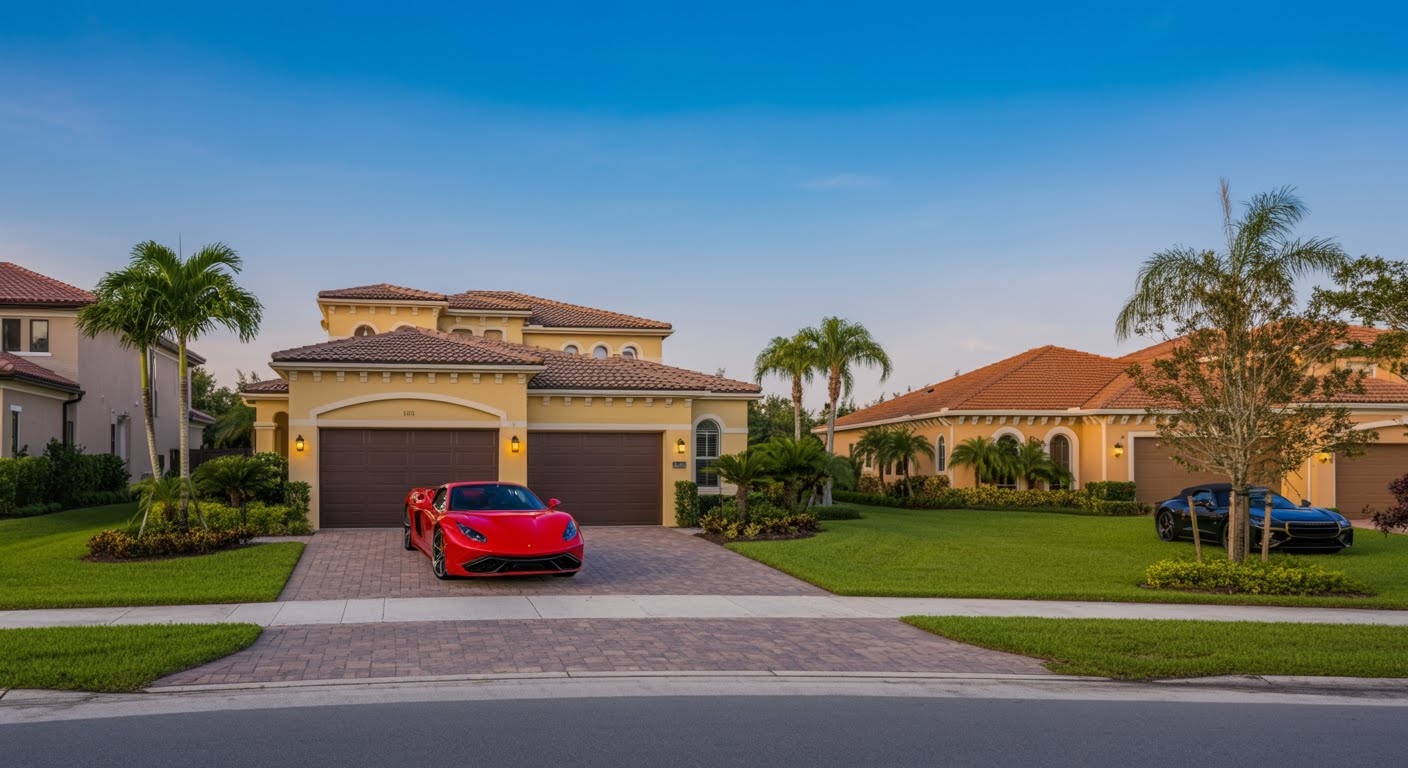
- Single-family home (East Naples): $450,000–$750,000
- North Naples / Park Shore: $750,000–$3,000,000+
Rental market (monthly):
- 1BR apartment (Cape Coral / Fort Myers): $1,500–$2,000
- 2BR/2BA apartment: $1,800–$2,600
- 3BR/2BA home (Cape Coral, annual lease): $2,200–$3,000
- 3BR/2BA home (Naples): $2,800–$4,200
For reference: a comparable 3BR home in northern New Jersey or suburban Connecticut runs $700,000–$1.2M to purchase, with property taxes of $10,000–$25,000/year on top. In Cape Coral at $450,000 with a $5,000 homestead property tax bill, the savings are structural and significant.
Insurance: The Cost Most People Underestimate
Insurance is where SW Florida's cost of living departs most dramatically from national averages and from what relocating residents typically budget. This is the most important cost to model accurately.
Homeowner's insurance (annual):
- Dry lot, newer construction, X flood zone: $3,500–$6,000
- Freshwater canal home: $5,000–$9,000
- Gulf-access canal home, Zone A or AE: $8,000–$14,000
- Older construction near coast: $10,000–$18,000+
Flood insurance (in addition to above, if required):
- NFIP or private: $2,000–$6,000/year depending on zone and coverage
Auto insurance: Florida has among the highest auto insurance rates in the country — expect $1,800–$3,500/year per vehicle for full coverage. Florida's no-fault insurance system and high uninsured motorist rate drive premiums up.
Total insurance costs for a Cape Coral homeowner can realistically reach $15,000–$22,000/year for home + flood + auto. This is the number that most surprises people and that most frequently causes sticker shock after the move.
Groceries: Near National Average with Options
Grocery costs in SW Florida are close to the national average with some premium options mixed in.
Publix is the dominant chain — reliable quality, slightly above average pricing. Walmart, Aldi, and Winn-Dixie provide lower-cost alternatives throughout the region. Whole Foods and Fresh Market operate in Naples and Fort Myers for premium shoppers. The Fresh market at the Miromar Outlets in Estero has become popular with families in that corridor.
Estimated monthly grocery spend for a couple (moderate quality): $600–$950. Families of four: $1,000–$1,600. These are similar to national benchmarks — groceries are not a meaningful cost advantage or disadvantage versus the rest of the country.
Utilities: Electric Is the Variable That Matters
Utilities in SW Florida are dominated by electricity because air conditioning runs continuously for 5–6 months and substantially for another 2–3. FPL (Florida Power & Light) is the primary provider for most of Lee County; LCEC (Lee County Electric Cooperative) serves some areas. Both have increased rates modestly in recent years.
Expected monthly electric bill:
- Condo or smaller home (efficient): $120–$200/month average across the year
- 3BR home with pool (average efficiency): $200–$350/month average
- Larger home, less efficient or older construction: $300–$500+/month in summer peak
Water, sewer, and trash are modest — typically $80–$150/month for a standard household. Internet: $60–$120/month depending on speed and provider. Natural gas is not widely used in most of SW Florida's residential stock — most homes are all-electric.
Healthcare: Above Average, Variable by Plan
Healthcare costs in SW Florida are slightly above the national average for premiums and comparable on out-of-pocket costs. The gap is larger for those without employer coverage.
ACA marketplace plans for a 55-year-old couple (pre-Medicare): $1,200–$2,200/month in premiums depending on plan tier and income. Employer-sponsored plans follow national trends. Medicare supplement plans in SW Florida are competitive — the market is large enough that carriers offer strong plans, though peak-season access pressure is real.
Prescription costs are comparable to national averages. The density of pharmacy options (Walgreens, CVS, Publix Pharmacy) is high in developed areas.
Transportation: Budget More Than You Think
SW Florida's car dependency means transportation costs are above national average for most households. There is essentially no public transit substitute for personal vehicle ownership.
- Auto insurance: $1,800–$3,500/year per vehicle
- Gas: SW Florida prices track the national average closely
- Vehicle maintenance: comparable to national average
- Tolls: moderate — Alligator Alley (I-75 across to Miami) and a few local toll roads
Most households have two vehicles. Monthly transportation budget including insurance, gas, and maintenance: $700–$1,400 for two vehicles.
The Bottom Line: Monthly Budget for a Couple
Putting it together for a couple owning a mid-range home in Fort Myers or Cape Coral (with a modest mortgage):
- Housing (PITI): $2,800–$4,200
- Homeowner's + flood insurance (monthly allocation): $700–$1,400
- Groceries: $700–$950
- Dining out: $600–$1,500
- Utilities: $250–$450
- Transportation (2 vehicles): $700–$1,400
- Healthcare (premiums + out-of-pocket): $500–$1,500
- Entertainment, activities: $400–$1,000
- Total: approximately $6,650–$12,400/month
Naples skews toward the upper end of that range. Cape Coral and Fort Myers are generally in the middle. The biggest lever is housing cost — the choice between owning outright, a small mortgage, or a large one changes the picture substantially.
Compared to the same couple in northern New Jersey or Long Island paying $4,500–$7,000/month in housing + property taxes alone, plus state income tax and higher auto insurance — the net financial advantage of SW Florida is real, if the insurance line is modeled honestly.
Explore More