The Honest Frame
Southwest Florida has legitimate advantages that have drawn hundreds of thousands of people from colder, higher-tax states. It also has real disadvantages that don't show up in the relocation marketing. What follows is the list I'd give a friend considering the move — with the benefits stated accurately and the drawbacks stated without softening.
The 8 Strongest Pros
1. The weather (November–April) is genuinely exceptional. Four to five months of clear skies, low humidity, and temperatures in the low-to-mid 70s. It is legitimately some of the best weather in North America. During season, you can eat outside every evening, be at the beach on a Tuesday in February, and never see a snowplow. The quality of life argument during this window is not exaggerated.
2. No state income tax. Florida has no state income tax, no estate tax, and no tax on Social Security or pension income. For a family coming from New York, New Jersey, Connecticut, or Massachusetts, this can mean $10,000–$40,000+ in annual savings depending on income level. This is real money with a real lifestyle impact.
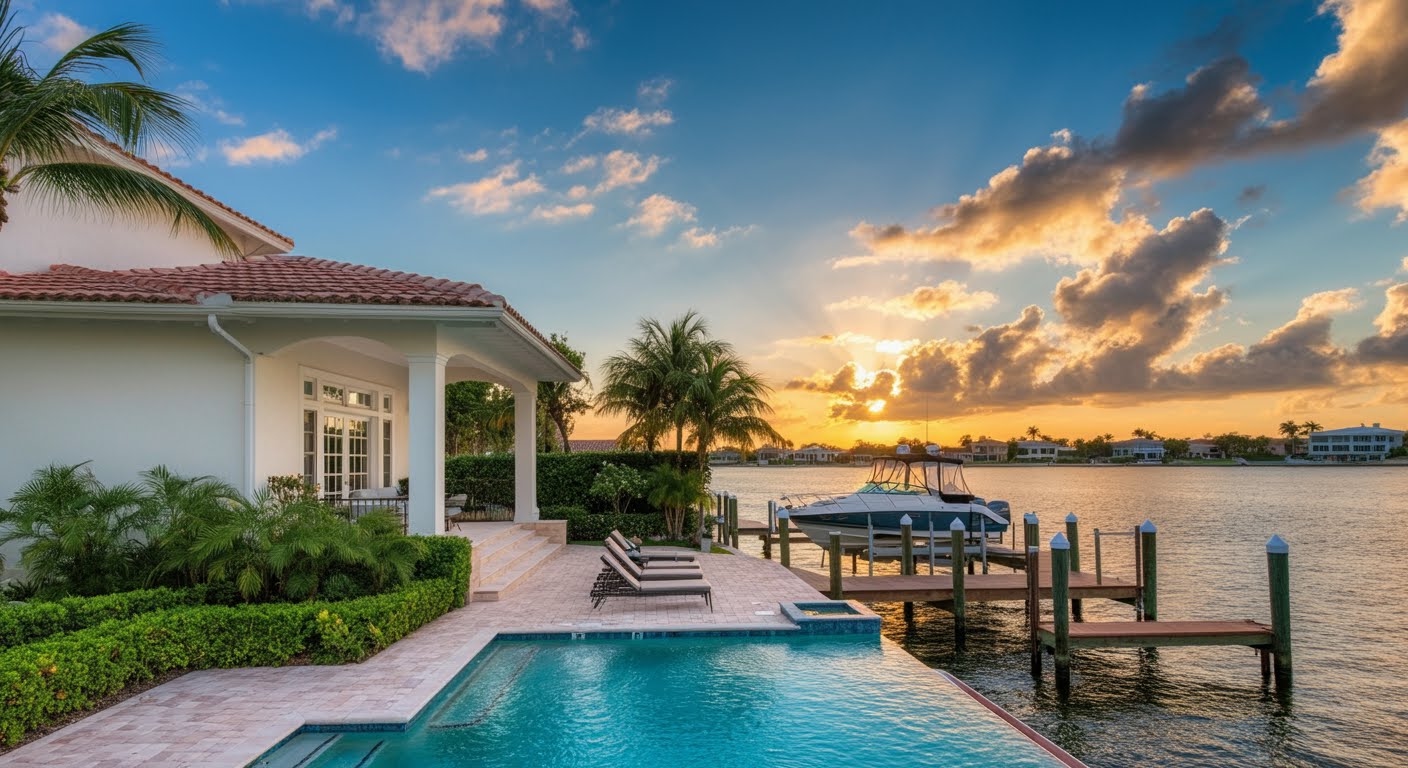
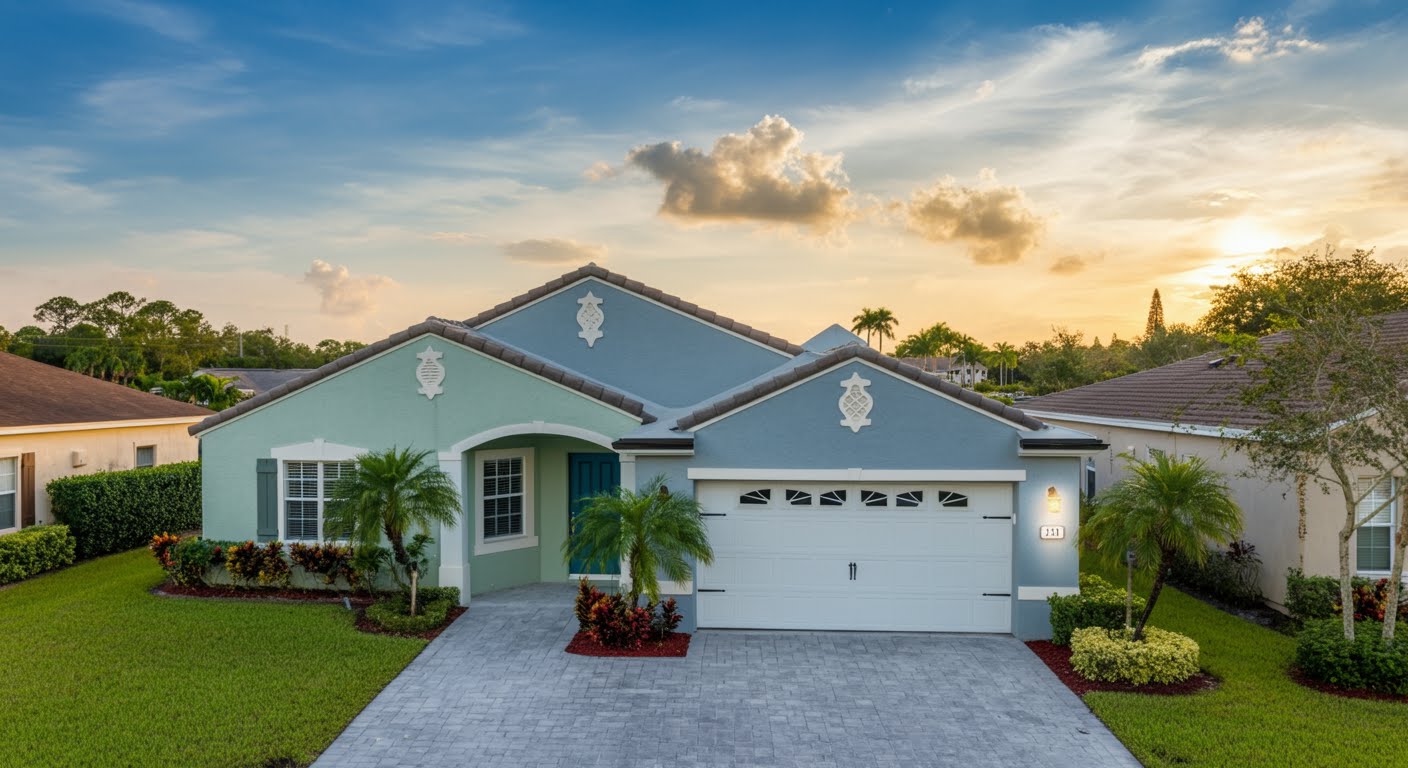
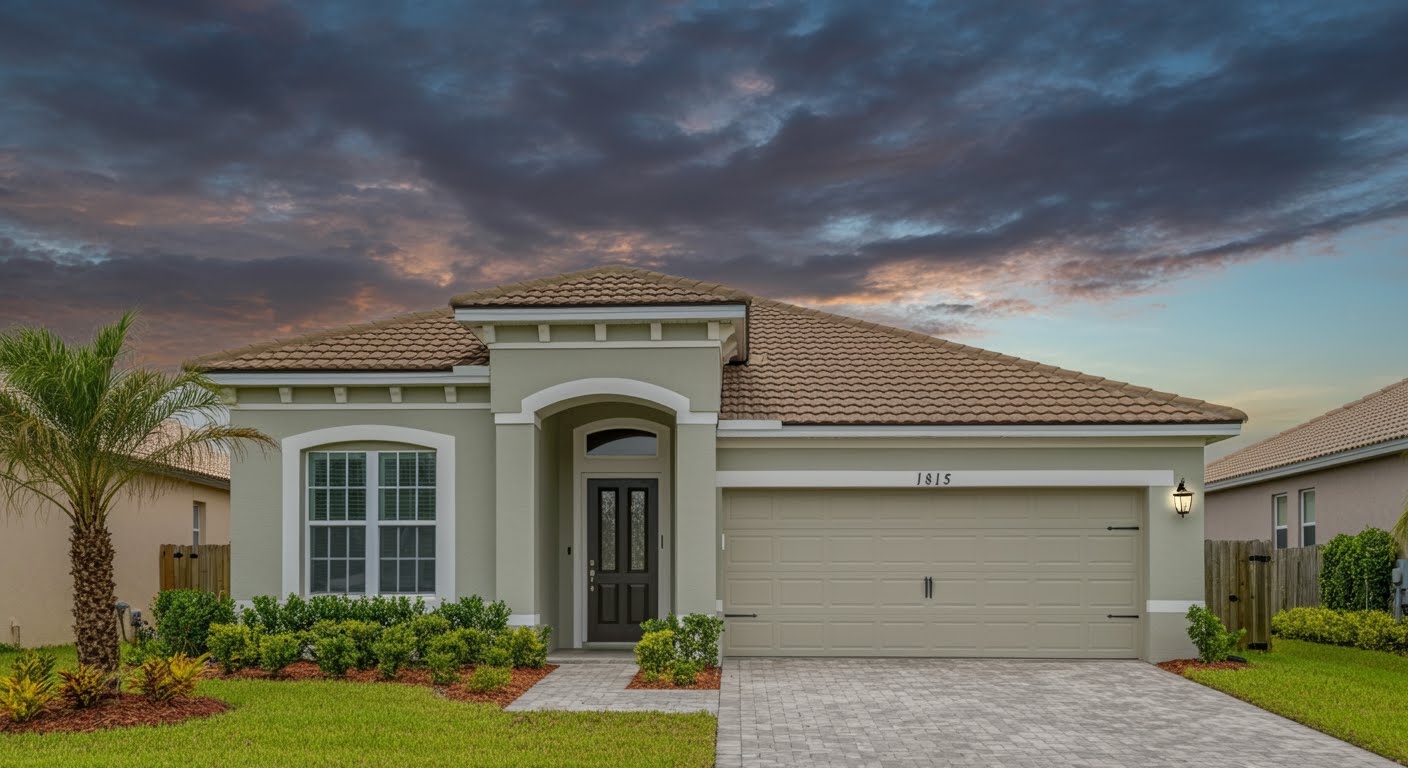
3. Housing value per dollar. Relative to coastal markets in the Northeast or California, SW Florida delivers significantly more house for the money. You can own a 3BR pool home with a canal view in Cape Coral for what a 2BR condo costs in the suburbs of Boston. That trade has resonated with families willing to move.
4. Outdoor lifestyle infrastructure. Gulf Coast beaches, 400+ miles of canals, kayaking, world-class fishing, boating, golf, pickleball, cycling — the outdoor activity infrastructure is genuinely exceptional for a metro area of this size. People who enjoy outdoor recreation find SW Florida almost unreasonably well-equipped.
5. No state income tax for businesses. Self-employed people, business owners, and independent contractors benefit from Florida's tax structure across the board. The combination of no personal income tax and no business income tax at the state level is meaningful for entrepreneurs.
6. Growing cultural and dining scene. SW Florida's arts and dining scene has matured significantly over the past decade. Artis–Naples offers world-class performing arts programming. Fort Myers' downtown River District has become a genuine destination. The restaurant density and quality in Naples in particular rivals much larger cities.
7. Strong demand-side real estate market. SW Florida continues to attract buyers and renters from colder states. The structural demographic tailwind — baby boomers retiring, remote workers seeking lifestyle markets — supports long-term real estate demand. Owning here is not buying into a declining market.
8. Community and pace of life. The pace in SW Florida is genuinely slower than major metros. Traffic is real during season, but the ambient daily stress of dense urban living simply isn't here. People who've made the move — especially from NYC, Chicago, or Boston — often describe feeling physically calmer within the first year.
The 7 Honest Cons
1. Summer heat is more intense than most people expect. June through September in SW Florida is hot (low 90s, often 94–96°F), extremely humid, and punctuated by daily afternoon thunderstorms. Outdoor activity is best before 9am and after 6pm. It's not unlivable, but if you imagined year-round beach weather, you'll need to recalibrate. The first summer is the hardest.
2. Hurricane risk is real — and the insurance market reflects it. SW Florida sits in one of the most hurricane-prone corridors in the US. Hurricane Ian in September 2022 was a Category 4 direct hit on Lee County and caused catastrophic damage. The insurance market response has been severe — homeowner's insurance premiums have roughly doubled or tripled in Lee County since 2020 for many properties. Flood insurance for at-risk zones adds $2,500–$6,000/year. This is not a minor operational cost — it can be $15,000–$20,000/year for coastal properties. Factor it in honestly.
3. Car dependency is total. Southwest Florida has minimal public transit and no meaningful walkability outside of a few urban pockets. You will drive everywhere. Every errand, every restaurant, every activity requires a car. For people accustomed to walking or transit-based urban living, this is a real quality-of-life reduction that doesn't always surface in the planning phase.
4. Traffic during season is frustrating. January through April, the population of Lee and Collier counties increases 20–30%. US-41, Cape Coral's bridges, Airport Road, and Pine Ridge Road can be genuinely gridlocked during peak hours. If your daily commute or lifestyle involves frequently used corridors, account for this. It's not NYC traffic — but it's more than the city's infrastructure was originally designed to handle.
5. Building your social network takes time. SW Florida's population is highly transient — seasonal residents, recent transplants, and people with divided lives between states. Deep social networks of long-term friendships take 2–4 years to build for most people. The first year or two can feel socially thin, particularly in the summer off-season when the seasonal community leaves and the city quiets considerably.
6. Healthcare access tightens during season. SW Florida's healthcare system was built for a smaller population and hasn't fully scaled to meet seasonal demand. Getting an appointment with a specialist in February — when you're competing with 30% more residents for the same physician supply — can mean waits of 6–8 weeks. Establishing care before you need it urgently is essential.
7. Job market is more limited than major metros. If you're not remote and not in real estate, healthcare, tourism, or construction, SW Florida's job market is more constrained than you might expect. The median wage is lower than the national average, and professional-level opportunities in finance, technology, and advanced services are concentrated in a narrower range of employers. For dual-income families where both partners have professional careers, this can create asymmetry.
Bottom Line: Who This Works For
Southwest Florida is an excellent choice for: retirees and semi-retirees, remote workers with location flexibility, families prioritizing outdoor lifestyle and housing value over urban density, and investors with a long time horizon in a structurally growing market.
It's a harder fit for: people who require urban cultural density, dual-career professionals who can't work remotely, anyone who under-budgets insurance costs, and people who aren't prepared for the honest reality of a Florida summer.
The move works best when it's made with full information — not because the relocation package made it sound good, but because you've stress-tested the list above against your actual life.
Explore More