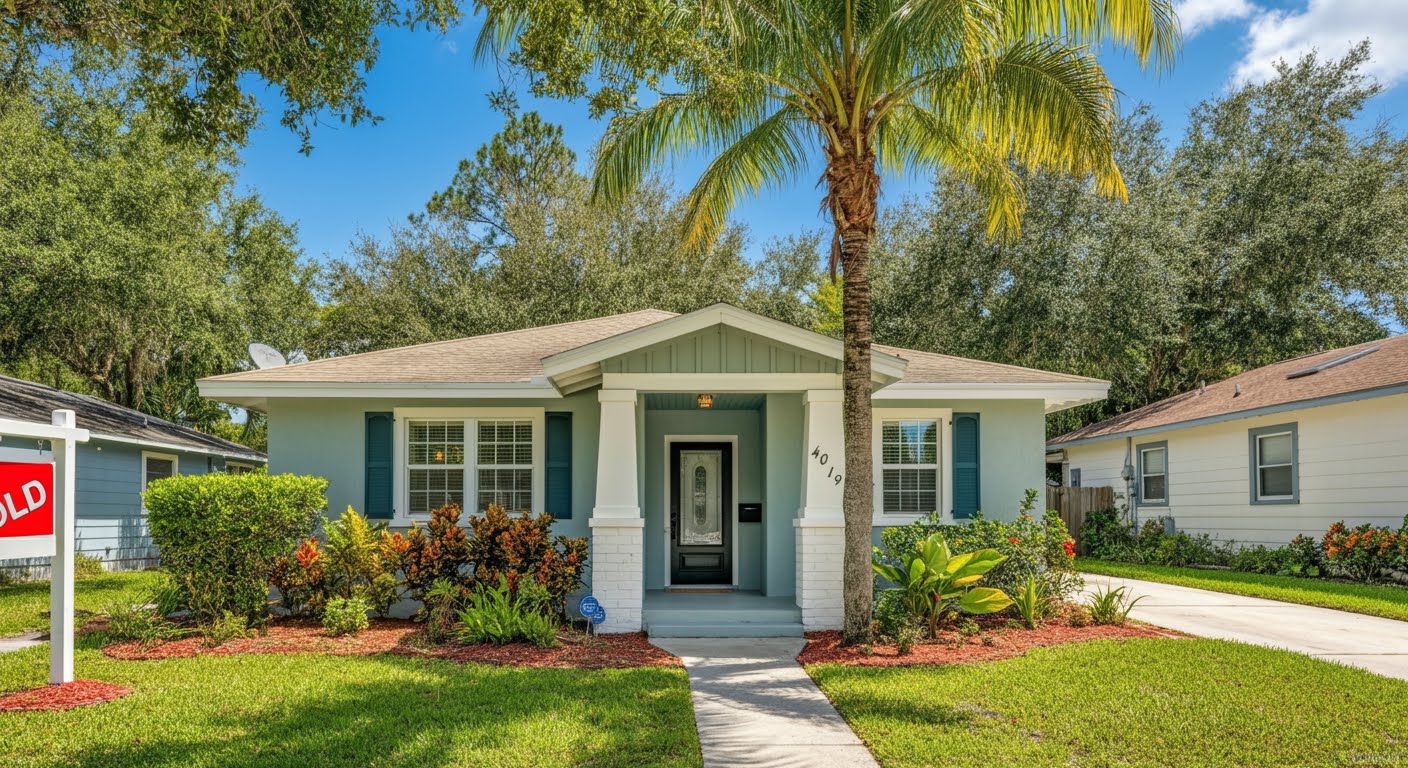
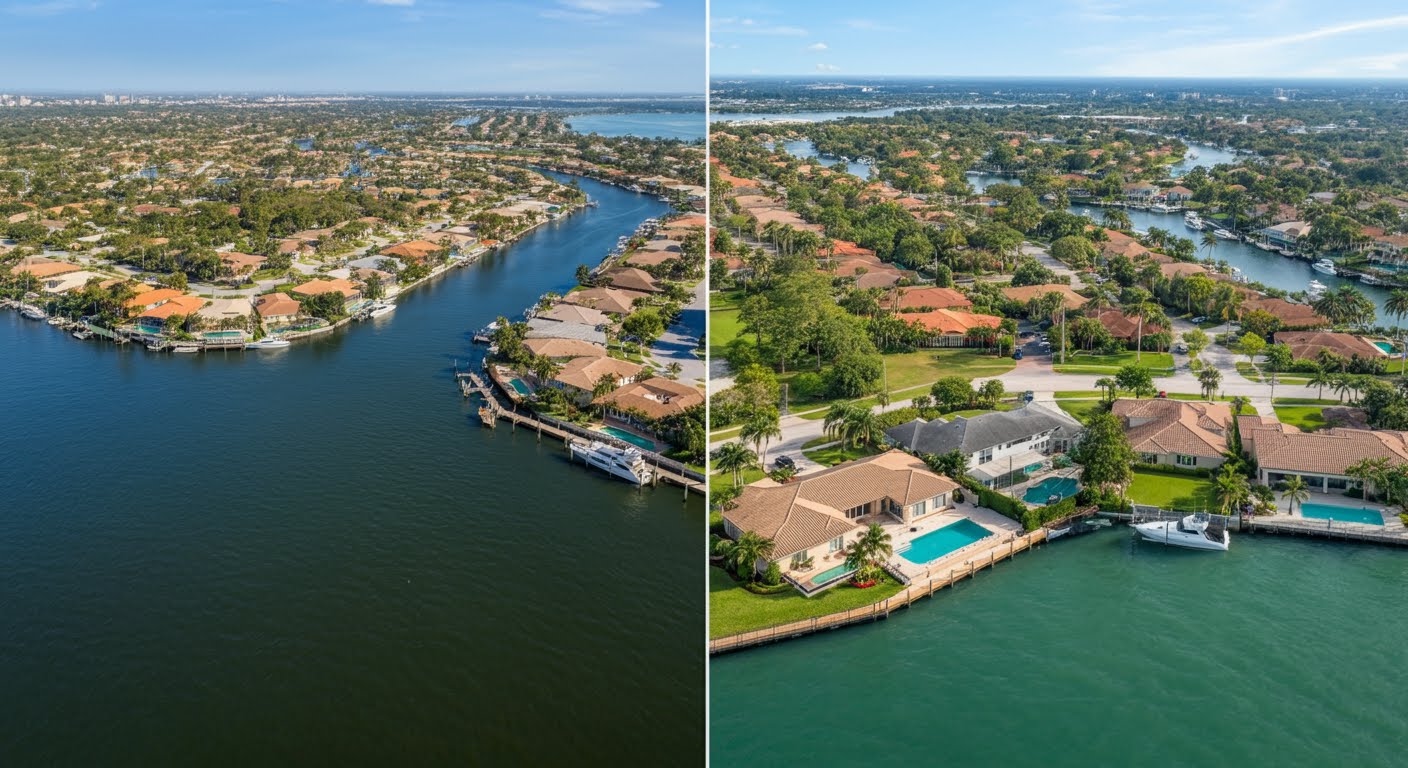
You Have More Options Than You Think
A lot of first-time buyers come to me thinking they need 20% down and a perfect credit score. That's not the reality. Florida has several programs specifically designed to help first-time buyers get into a home — and Southwest Florida's market, while competitive, has options at multiple price points.
Here's a clear-eyed look at the programs available, the loan types that make sense, and what the process actually looks like from pre-approval to keys in hand.
Florida Housing Finance Corporation Programs
The Florida Housing Finance Corporation (Florida Housing) is a state agency that partners with approved lenders to offer below-market interest rates and down payment assistance to qualifying buyers. These are real programs with real money attached — not marketing fluff.
Florida First Mortgage Program: Offers a 30-year fixed-rate mortgage at a below-market interest rate. Available with conventional, FHA, VA, or USDA loan types. Income and purchase price limits apply and vary by county — in Lee County (Cape Coral, Fort Myers), the household income limit is typically around $120,000–$130,000 depending on family size, and purchase price limits are around $450,000–$475,000.
Florida Assist (Second Mortgage): A deferred, 0% interest second mortgage of up to $10,000 for down payment and closing costs. No monthly payments — it's due when you sell, refinance, or pay off the first mortgage. This can be stacked with the Florida First program.
Florida HLP (Homebuyer Loan Program): A 3% interest second mortgage of up to $10,000 with a 15-year repayment term. Monthly payments are low — roughly $69 per month — and it's also stackable with the first mortgage program.
To access any Florida Housing program, you must work with a Florida Housing-approved lender and complete a HUD-approved homebuyer education course. The course is usually completed online in about 6 to 8 hours and costs $50 to $100. It's worth it — the program savings routinely exceed the course cost by tens of thousands of dollars.
Hometown Heroes Program
The Hometown Heroes Housing Program was created to help Florida's workforce — teachers, nurses, law enforcement, firefighters, EMTs, and other community workers — buy a home in the communities they serve.
The program provides up to 5% of the first mortgage loan amount (maximum $35,000) in down payment and closing cost assistance. The assistance comes as a 0%, non-amortizing second mortgage, deferred until sale, refinance, transfer, or full repayment of the first mortgage.
Eligible occupations include: teachers (K-12, preschool, postsecondary), principals, law enforcement, correctional officers, firefighters, emergency medical technicians, paramedics, child welfare workers, active duty military, veterans, and workers in healthcare, construction, and several other fields. The list was expanded in recent years and is worth reviewing carefully — many people who don't think they qualify actually do.
Income limits apply. For most eligible occupations in Lee County, the limit is around $128,000 for a household. There are also first-time buyer requirements (or qualifying veteran status) and purchase price limits consistent with Florida Housing's other programs.
FHA, VA, and USDA Loans in Florida
Florida buyers have access to all the standard government-backed loan programs, each with its own strengths:
FHA Loans: Backed by the Federal Housing Administration. Minimum 3.5% down with a 580+ credit score; 10% down with a 500–579 score. FHA loans are assumable (a major advantage if rates rise further) and more forgiving of past credit issues. The downside is mortgage insurance — both an upfront premium (1.75% of the loan) and an annual premium (0.55% to 1.05%) that lasts for the life of the loan if you put less than 10% down. In Florida's elevated insurance market, stacking mortgage insurance on top of homeowner's insurance requires careful budgeting.
VA Loans: Available to eligible veterans, active duty service members, and surviving spouses. No down payment required, no private mortgage insurance, and competitive rates. The VA funding fee (1.4% to 3.6% of the loan, depending on service history and down payment) can be rolled into the loan. VA loans are one of the strongest loan products available — if you're eligible, explore this first.
USDA Loans: Backed by the U.S. Department of Agriculture for properties in eligible rural and suburban areas. Southwest Florida has USDA-eligible areas — parts of eastern Lee County, Hendry County, and areas outside the urban core. No down payment required; income limits apply (typically 115% of the area median income). The USDA's eligibility maps are worth checking before assuming your target area doesn't qualify.
Conventional Loans (97% LTV): Fannie Mae's HomeReady and Freddie Mac's Home Possible programs allow 3% down for first-time buyers who meet income limits. Mortgage insurance is required but can be removed once you reach 20% equity — unlike FHA, where it's often permanent with low down payments.
Don't Forget the Homestead Exemption
Once you buy your primary residence in Florida and establish it as your permanent home, you can file for the Florida Homestead Exemption. This reduces your assessed value by $25,000 for all tax purposes and an additional $25,000 for non-school taxes — saving most homeowners $500 to $1,000 per year in property taxes.
You must apply by March 1 of the year following your purchase. Miss that deadline and you wait another year. It's one of the first things I tell every buyer to put on their calendar.
The Homestead Exemption also triggers the Save Our Homes assessment cap, which limits annual increases in your assessed value to 3% or the rate of inflation, whichever is less. This is a significant long-term benefit — in years of rapid appreciation, it keeps your tax bill from rising at the same pace as the market.
What the Buying Process Looks Like
Here's the honest sequence for a first-time buyer in Southwest Florida:
- Get pre-approved — not pre-qualified. A full pre-approval reviews your credit, income, and assets. In a competitive market, sellers won't take you seriously without it. If you're using a Florida Housing or Hometown Heroes program, find a lender who is approved for those programs before starting.
- Complete homebuyer education if using state programs — do this early so it doesn't delay your closing.
- Define your priorities — price range, must-have features, neighborhoods. In SWFL, flood zone, HOA fees, insurance costs, and school district all affect your effective monthly payment more than buyers expect.
- Make offers — be prepared to move quickly. Well-priced homes in the $250,000–$400,000 range move within days in active communities.
- Inspection period — Florida's standard contract gives you 15 days for inspections (negotiable). Use it fully. Get a wind mitigation report and 4-point inspection in addition to the general inspection — both are likely required by your insurance company anyway.
- Clear to close — your lender will order the appraisal and work through underwriting. This typically takes 30–45 days. Stay responsive; delays usually happen when buyers are slow returning documents.
- Closing — Florida closings can be done at a title company or with a real estate attorney. You'll sign a stack of documents and receive your keys.
Common Mistakes I See First-Time Buyers Make
A few things that are worth knowing before you start:
- Not accounting for insurance costs: Homeowner's insurance in Southwest Florida has increased substantially. A home that looks affordable on paper can stretch your budget once you account for $4,000 to $6,000 annual premiums. Always get an insurance quote before finalizing your offer.
- Skipping the flood zone check: Florida has FEMA flood map data for every property. A home outside a high-risk zone is very different from one in an AE zone. Flood insurance is a separate, additional policy — and it can add $1,500 to $3,500 per year to your carrying costs.
- Underestimating HOA fees: Many communities in SWFL have HOA fees ranging from $100 to $600+ per month. This directly affects your qualifying debt-to-income ratio. Know the fees before you fall in love with a home.
- Waiting for perfect timing: There is no perfect time to buy. There's only whether it makes sense for your income, savings, and life right now. Trying to time the market is a losing strategy for most people.
Ready to Take the First Step?
The first conversation doesn't have to be a commitment. It's usually just about getting clear on where you stand — what you can comfortably afford, which programs you might qualify for, and what the next 60 to 90 days could look like.
We've helped hundreds of first-time buyers in Cape Coral, Fort Myers, and Naples navigate this process. If you want to walk through it together, we're here. No pressure, just perspective.