If you've been running short-term rental numbers on a Southwest Florida property and the math keeps coming up tighter than you expected, you're not doing it wrong. The pro formas that circulated freely in 2021 — 75% occupancy, $400 average nightly rate, $4,000 a year in insurance — don't reflect what's actually happening on the ground in 2026. Insurance reset higher after Ian. Supply is meaningfully larger than it was three years ago. Mortgage rates are sitting in the mid-6s. And the cities are now actively regulating in a way they weren't before.
None of that means STRs in Cape Coral, Fort Myers Beach, or Marco Island are bad investments. It means the deals that work in 2026 look different from the deals that worked in 2021, and the spreadsheet you build needs to reflect the current line items — not the ones from a podcast episode three years ago. Here's how I'd think through the numbers honestly.
What the 2026 Revenue Picture Actually Looks Like
The three submarkets readers ask about most — Cape Coral canal homes, Fort Myers Beach, and Marco Island — produce very different revenue profiles, and the gap between them has widened since 2022.
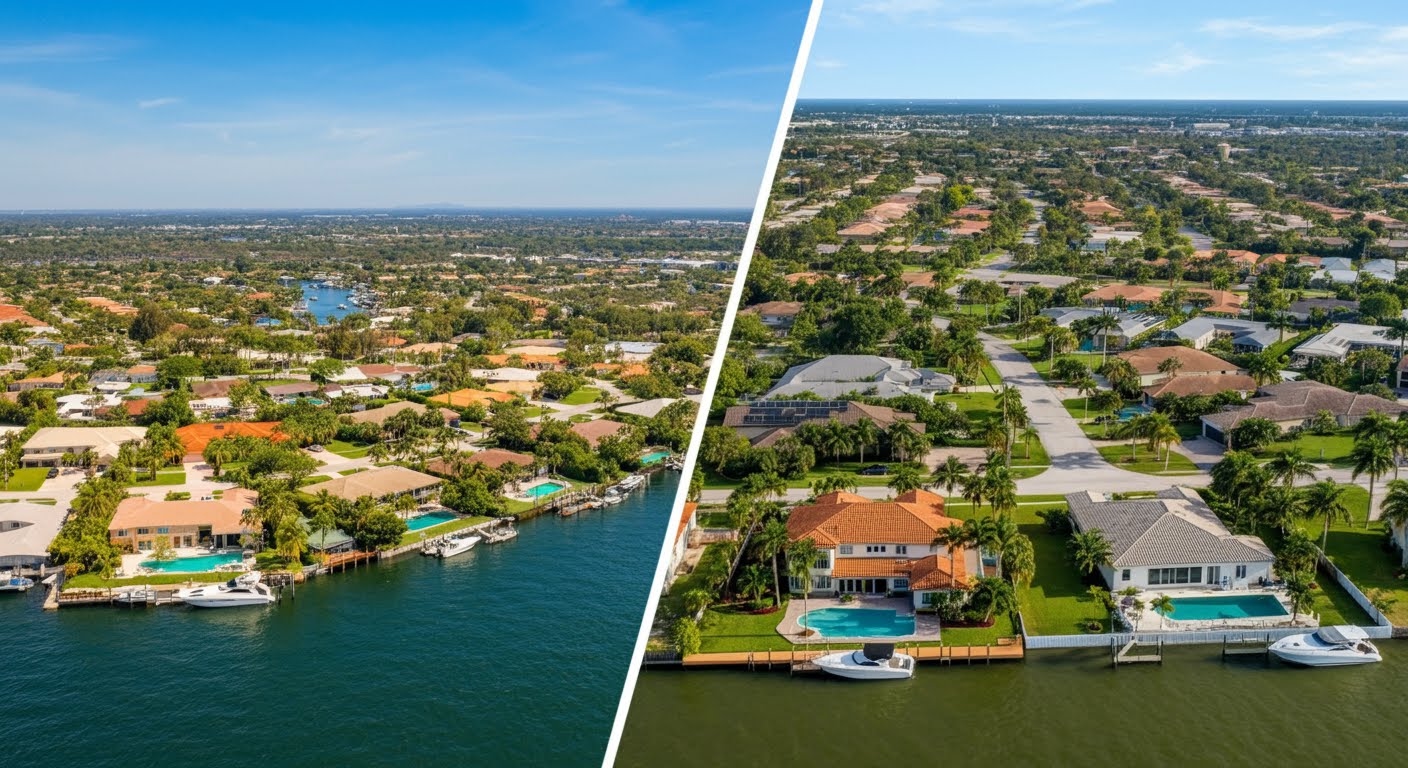
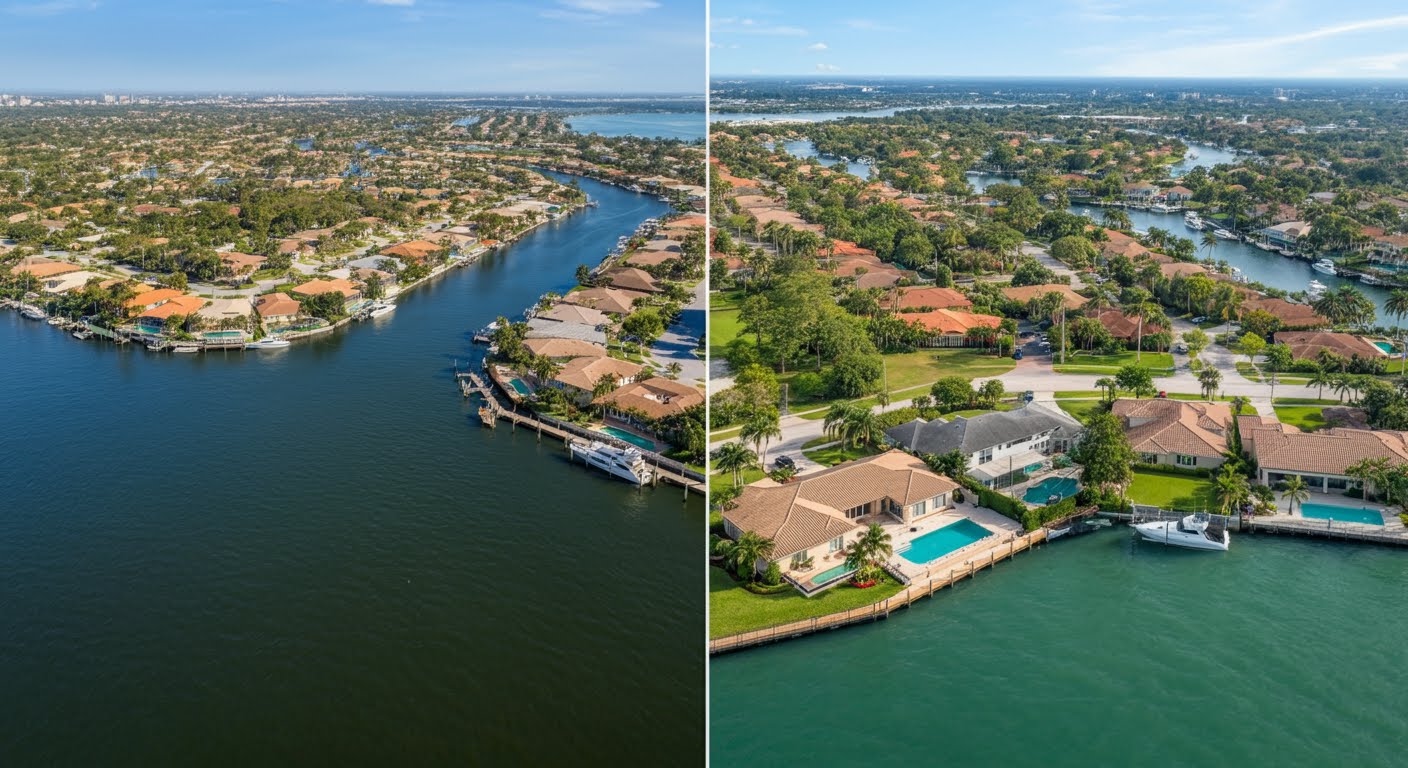
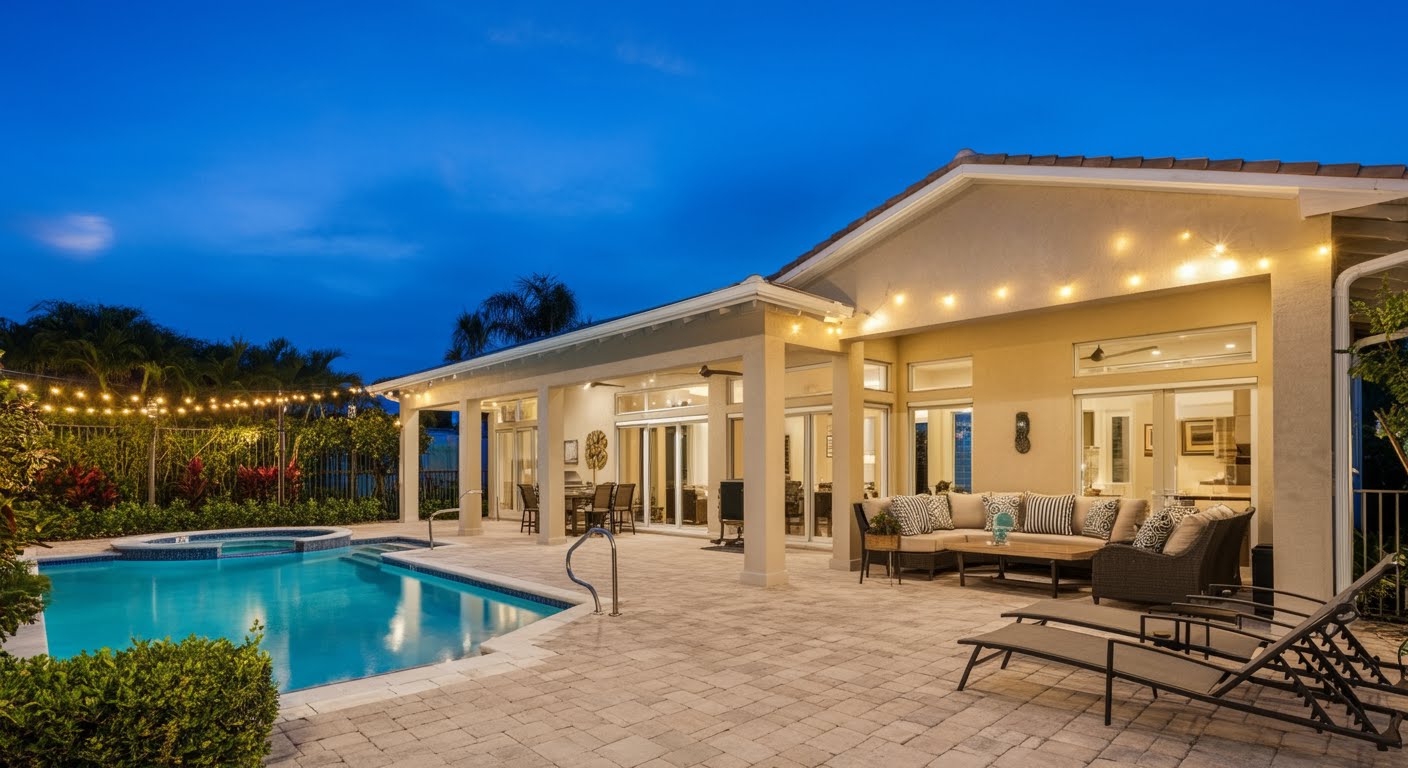
Cape Coral gulf-access canal homes with a pool, dock, and four bedrooms typically run in a realistic occupancy band of 55% to 68% across a full year, with ADRs (average daily rates) in the $275 to $425 range depending on season, finish level, and waterfront classification. Sailboat-access homes near the river command the top of that range. Freshwater canal homes without gulf access sit closer to the bottom. The strong months are January through April. June through September is quiet, and pricing aggressively to hold occupancy during the summer often matters more than chasing peak-season rate.
Fort Myers Beach is still in active rebuild from Ian. The properties that have been fully restored and are operating as STRs in 2026 are seeing strong demand — the supply pool on the island is significantly smaller than it was pre-storm, which has supported nightly rates in the $350 to $600+ range for well-located, fully renovated homes and condos. Occupancy on restored properties has been running in the 60% to 72% range. The catch: acquisition costs, insurance, and reconstruction-related due diligence are all elevated, and not every restored property is built or permitted the way the marketing suggests.
Marco Island sits in its own category. STR rules are stricter (more on that below), the buyer pool skews older and wealthier, and the rentable inventory is mostly condos with HOA-driven minimums. Where STRs are permitted, ADRs run $400 to $700+ in season with annualized occupancy typically in the 55% to 65% range. The seasonality is sharper than Cape Coral — January through March produces a disproportionate share of annual revenue.
For a four-bedroom Cape Coral gulf-access home running at 62% occupancy and a $340 blended ADR, you're looking at gross revenue around $77,000. After platform fees, cleaning pass-throughs that don't fully offset, and management costs, net operating revenue before debt service and insurance is often in the $52,000 to $58,000 range. That's the number to start the math from — not the gross.
The Insurance Line Items Spreadsheets Keep Missing
This is where 2021 pro formas fall apart fastest. A waterfront STR in Southwest Florida in 2026 is carrying three insurance line items, not one.
- Homeowner's / DP-3 dwelling policy: For a non-owner-occupied STR, you're typically on a dwelling fire (DP-3) policy or a Citizens commercial residential equivalent. For a Cape Coral gulf-access home valued around $850,000, annual premiums commonly land in the $8,000 to $14,000 range, depending on roof age, wind mitigation features, and construction. Fort Myers Beach and Marco run higher.
- Flood insurance: Almost certainly required and almost certainly meaningful. A Zone AE canal-front home typically runs $1,800 to $4,500 a year through NFIP, with private market options sometimes cheaper for well-elevated properties. Zone VE properties on Fort Myers Beach and parts of Marco can run $5,000 to $15,000+.
- Commercial liability / STR-specific endorsement: A standard homeowner's policy does not cover paying guests. You need either a commercial liability policy, a hosting platform's coverage layered correctly, or an STR-specific endorsement. Budget $1,200 to $2,500 a year for proper coverage. Skipping this is the single most expensive mistake I see.
Add those together and a typical Cape Coral STR is carrying $11,000 to $20,000 a year in combined insurance. On a property grossing $77,000, that's 14% to 26% of gross revenue going to insurance alone. Spreadsheets that show $4,000 of annual insurance are working from a number that hasn't been accurate in this market for several years.
The Registration Rules Each City Now Enforces
Rules have tightened, and they are being enforced. Before you offer on a property, confirm what's allowed at that specific address.
Cape Coral requires vacation rental registration through the city, with an annual fee, a responsible-party contact requirement, and inspection elements. Most single-family neighborhoods allow STR use, but HOA-deed-restricted communities may not, and rentals shorter than certain minimums can trigger additional zoning review. Always pull the deed restrictions before assuming a Cape Coral home is rentable.
Lee County (unincorporated areas and Fort Myers Beach as a separate municipality) requires a vacation rental certificate of registration, fire inspection, and state DBPR licensing. Fort Myers Beach has its own town ordinances layered on top, including density and parking-related rules that affect what kind of property can operate.
Collier County and Marco Island are the strictest of the three. Marco Island requires registration, has minimum-stay rules in certain zoning districts, and many condo associations enforce 30-day or 90-day minimums regardless of what the city allows. Naples within city limits has its own framework that tends to favor longer minimums. If the listing description says "great Airbnb potential" but doesn't reference the actual ordinance and HOA, that's a flag.
Florida also requires state-level licensing through DBPR (Department of Business and Professional Regulation) for vacation rentals, plus collection and remittance of state sales tax and county tourist development tax. The county tourist tax in Lee and Collier counties is currently in the 5% to 6% range on top of the 6% state sales tax. These are pass-throughs in the sense that guests pay them, but you are legally responsible for collecting and remitting.
The Supply-Side Pressure No One Is Talking About
Here's the part of the conversation that gets skipped. The post-Ian rebuild has brought a meaningful wave of new and renovated STR inventory online across Cape Coral and Fort Myers Beach over the past two to three years. Properties that were damaged and repaired have come back as STRs. Investors who bought in 2023 and 2024 at corrected prices added more units. New construction in Cape Coral has continued.
The result is that the same Cape Coral submarket that had a couple thousand active STR listings during the 2021 peak is now operating with a substantially larger active inventory. More supply at flat-to-softening demand means ADRs are under pressure, occupancy is harder to defend, and the easy 70%+ occupancy stories from 2021 are not the current operating reality for most properties. Anyone showing you a deal underwritten at 2021-level revenue assumptions is showing you a deal that doesn't reflect 2026.
Break-Even Math at 2026 Mortgage Rates
Let's run a clean Cape Coral example with realistic 2026 inputs.
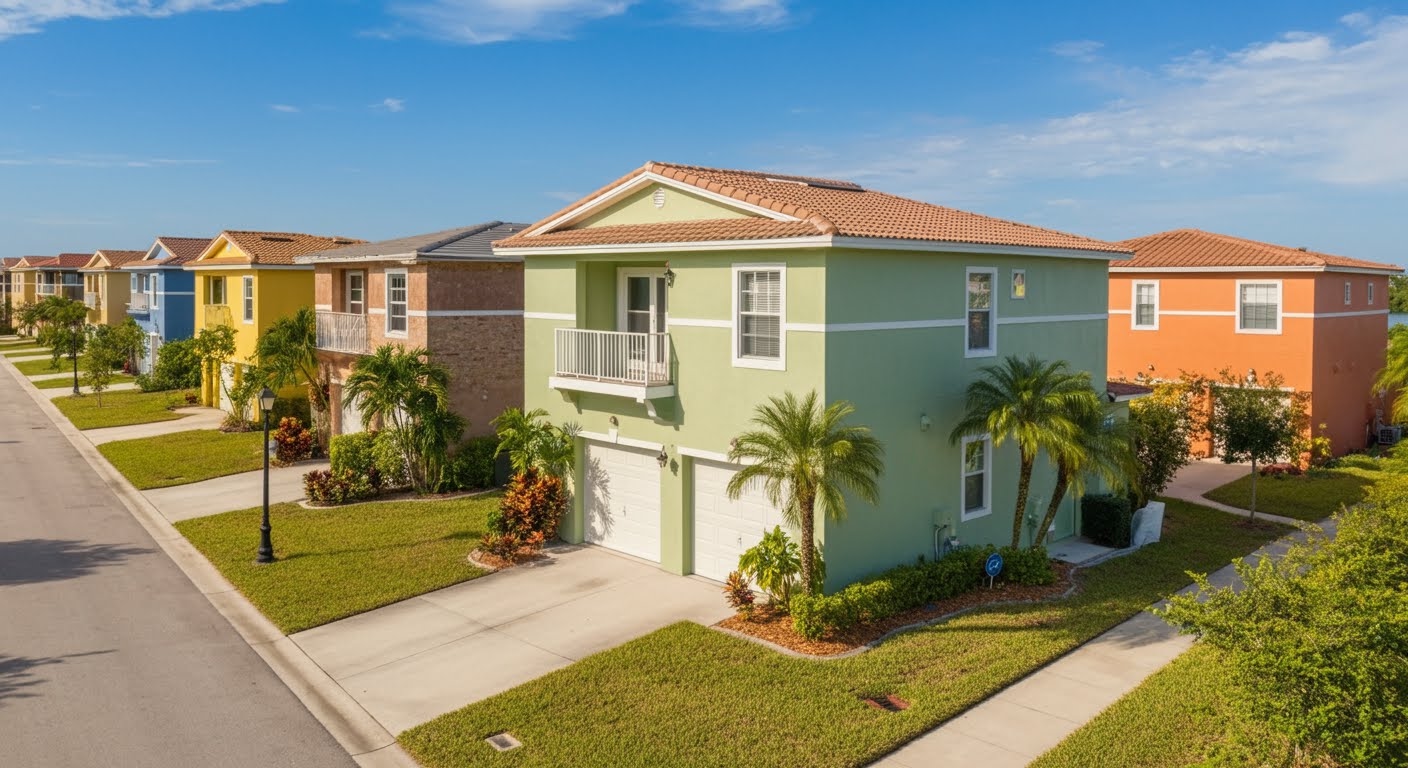
Assume an $825,000 gulf-access four-bedroom pool home. 25% down on an investment loan, financing $620,000 at roughly 7.25% on a 30-year fixed (investment property rates typically run 0.5% to 0.75% above owner-occupied). That's roughly $4,230 a month in principal and interest, or $50,760 a year.
- Property taxes (no homestead, non-owner-occupied): ~$9,500
- Combined insurance (DP-3, flood, STR liability): ~$14,000
- Utilities, internet, pool, lawn, pest: ~$8,400
- Property management at 20% of gross: ~$15,400
- Repairs, supplies, turnover wear: ~$5,500
- Permits, licensing, tax remittance admin: ~$1,200
Total annual carry before debt service: approximately $54,000. Add the mortgage and the all-in annual cost is around $104,700.
At $77,000 gross revenue, you're roughly $27,700 short of cash-flow break-even — which is what most realistic Cape Coral STRs at current prices and current rates actually look like before you factor in appreciation, principal paydown, and tax depreciation. To get to true break-even on cash, you need either a larger down payment, a lower acquisition price, materially better operating performance, or all three.
Where does the math start to work? Usually one of these scenarios:
- 50%+ down (or all-cash), which removes the largest line item and lets a moderate operator run modestly positive
- A purchase price 10% to 15% below current asking in a softer submarket, which compresses the carry
- A property that genuinely sustains top-quartile occupancy and ADR — usually waterfront, recently renovated, sailboat access, professionally photographed and managed
- An investor who is honestly underwriting to long-term appreciation and tax treatment, not to cash flow from operations
Who the Numbers Still Favor — and Who They Don't
Cash-heavy investors with a 10-plus year horizon and a real interest in the asset still find workable deals in Southwest Florida STRs. So do owners willing to do hybrid use — personal use during shoulder months, STR during peak season — where the math doesn't have to fully cover carry.
The numbers don't favor an investor who's planning to put 20% to 25% down on an $800,000+ property at current rates and expecting it to cash flow from day one based on platform projections. That math hasn't worked in this market for a couple of years, and pretending otherwise leads to forced sales 18 months in.
The SWFL Specifics That Change the Deal
A few local realities worth weighing before you write an offer. First, post-Ian construction standards matter — homes that have been substantially renovated or rebuilt to current code are more insurable and command better rates than older, untouched inventory; ask for permits, not just photos. Second, the seawall question on Cape Coral canal homes is a real capital line — a failed seawall can be a $50,000 to $100,000 project that no STR pro forma absorbs gracefully. Third, Citizens Property Insurance is the carrier of last resort in much of SWFL coastal coverage, and Citizens has its own non-owner-occupied rules and surcharges that change the insurance math meaningfully. If you want to dig into specific submarkets, our pages on Cape Coral, Fort Myers, and Marco Island walk through the micro-market dynamics in more detail.
How to Pressure-Test a Deal Before You Write
If you're seriously evaluating an STR purchase in Cape Coral, Fort Myers Beach, or Marco, here's the order I'd work through:
- Pull comparable STR performance data on the specific street and property type — not the city average
- Get three actual insurance quotes (DP-3, flood, STR liability) for that specific address before you go under contract
- Confirm zoning, HOA rules, and any minimum-stay requirements in writing
- Build the pro forma at 58% occupancy and a conservative ADR, then ask whether the deal still works
- Have a CPA model the depreciation and tax position — that piece can change a marginal deal into a workable one, or confirm it's not worth pursuing
If you'd like a current valuation on a property you already own and are thinking about converting, you can start with our home value tool and we can layer in the STR-specific underwriting from there. If you're shopping and want a second set of eyes on the numbers before you write, reach out and we'll walk through it together — no pressure, just a clearer picture.
Equal Housing Opportunity. Freddy Baez · Florida Broker BK3274734 · The Baez Collective at eXp Realty. Information here is general guidance, not legal, tax, or investment advice — please consult a qualified professional for your specific situation.