What a 1031 Exchange Actually Does
Section 1031 of the Internal Revenue Code allows investors to defer capital gains taxes when they sell an investment property, as long as they reinvest the proceeds into another like-kind property within specific time limits. It doesn't eliminate the tax — it defers it. Done correctly and repeatedly, investors can build significant wealth by compounding the full pre-tax proceeds rather than losing 15–23% to capital gains tax on every transaction.
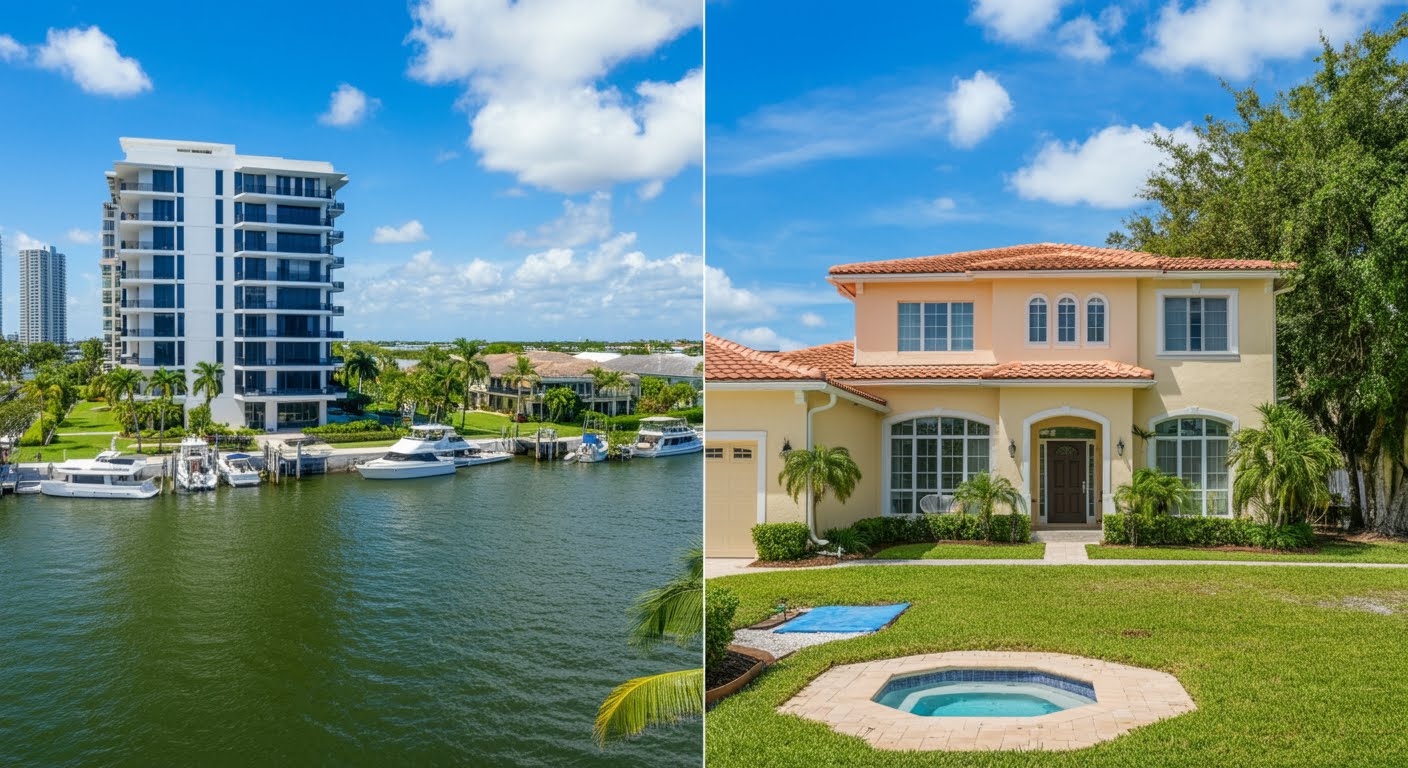
For Southwest Florida investors, this matters a lot. Many people who bought in Cape Coral or Fort Myers between 2015 and 2020 are sitting on substantial gains. A 1031 exchange allows them to reposition that capital into a different asset — perhaps a larger property, a different market, or a more passive structure — without writing a large check to the IRS in the process.
The Timeline: Two Critical Deadlines
The 1031 exchange timeline is rigid. Missing either deadline disqualifies the exchange and triggers immediate capital gains tax recognition.
45-day identification period: From the date you close on the sale of your relinquished property, you have 45 calendar days to identify potential replacement properties in writing to your qualified intermediary. The clock starts on the day of closing — not when you list, not when you go under contract, not when you decide to do an exchange. The 45th day.
You can identify up to three properties under the standard Three Property Rule, regardless of value. There's also a 200% Rule (any number of properties as long as total value doesn't exceed 200% of the relinquished property value) and a 95% Rule (any number of properties as long as you actually acquire 95% of the identified value). Most investors use the Three Property Rule — it's the most straightforward.
180-day exchange period: You must close on your replacement property within 180 calendar days of selling the relinquished property. This is not 180 days from identification — it's 180 days from the original sale closing. If your tax return is due before the 180 days expire, you must request an extension to preserve the full exchange period.
The 180 days sounds comfortable but moves faster than you expect, particularly in a competitive market where your replacement property may face inspection delays, title issues, or lender processing time. Identify early, move quickly.
A qualified intermediary (QI) — also called an exchange accommodator or facilitator — is the linchpin of a valid 1031 exchange. You cannot touch the sale proceeds at any point during the exchange. If the money comes to you — even momentarily — the exchange is disqualified.
The QI holds the proceeds from your sale in a segregated account and releases them directly to the closing of your replacement property. They also prepare the exchange documentation and ensure the identification and exchange deadlines are tracked correctly.
QI fees in Florida typically run $800–$1,500 for a straightforward exchange. They are not regulated at the federal level, which means quality varies. Choose a QI with a track record, an escrow account (not commingled with operating funds), and ideally FDIC-insured custody of your funds. Your title company or real estate attorney can refer reputable QIs in SW Florida.
One important caveat: your real estate agent, attorney, or accountant who has worked with you in the past two years cannot serve as your QI. The IRS specifically prohibits disqualified persons from serving in this role.
Understanding Boot: What Trips Up Exchanges
Boot is the taxable portion of an exchange — the amount by which the exchange falls short of full reinvestment. It can be triggered by:
- Trading down in value: If your replacement property costs less than your relinquished property's sale price, the difference is boot.
- Receiving cash: Any cash not reinvested into the replacement property is taxable boot.
- Mortgage relief: If you sell a property with a $200,000 mortgage and buy a replacement with a $100,000 mortgage (or no mortgage), the $100,000 reduction in debt is treated as boot and is taxable.
- Paying certain closing costs from exchange funds: Some closing costs (real estate commissions, title insurance, recording fees) can be paid from exchange proceeds without triggering boot. Others (pro-rated taxes, security deposits, HOA dues) cannot. Your QI will guide you on this.
To avoid boot entirely: buy equal to or greater than the sale price, take on equal to or greater debt, and don't pocket any cash from the transaction.
What Counts as Like-Kind in Real Estate
Good news: in real estate, like-kind is broadly defined. You don't have to exchange a rental home for another rental home. You can exchange any investment real property for any other investment real property in the United States. A Cape Coral canal home can be exchanged into a Naples commercial property, a Texas apartment building, or an industrial warehouse in Fort Myers. The asset just needs to be held for investment or business purposes — not personal use.
You cannot 1031 exchange a primary residence (though Section 121 provides separate exclusions for primary residence gains). You also cannot exchange into foreign property, inventory, partnership interests, or stocks and bonds.
DST Option: When You Want to Defer but Don't Want to Manage
Delaware Statutory Trusts (DSTs) have become an increasingly popular 1031 replacement property option for investors who want to exit active management. A DST is a fractional ownership interest in a professionally managed institutional-grade property — often a multifamily building, net-lease retail portfolio, or industrial facility.
DST investments qualify as like-kind replacement property for 1031 exchange purposes under IRS Revenue Ruling 2004-86. Minimum investments typically run $25,000–$100,000, and because you're investing alongside other exchangors, DSTs allow you to divide your exchange proceeds across multiple properties easily.
The tradeoffs: DSTs are illiquid (7–10 year hold periods are typical), you have no management control, and the performance is entirely dependent on the sponsor's execution. They're not right for everyone, but for investors who want to defer taxes, stop managing properties, and receive passive distributions, they're worth understanding.
How This Applies to SW Florida Investors
The 1031 exchange is particularly relevant to Southwest Florida investors right now because a meaningful number of people who bought here between 2016 and 2021 are evaluating whether to sell. Price appreciation, combined with insurance pressure and management fatigue, is prompting a lot of repositioning conversations.
A 1031 exchange allows you to sell a property that's become difficult to manage or insure, defer the capital gains, and move into a less insurance-intensive asset class, a different geography, or a passive structure — without the tax penalty that would otherwise make the economics unattractive.
If you're considering a sale and want to understand whether a 1031 makes sense in your situation, that's a conversation worth having with both your CPA and a real estate advisor who understands the SW Florida market. The timeline starts the day you close, so planning needs to happen before — not after — the sale.
Explore More