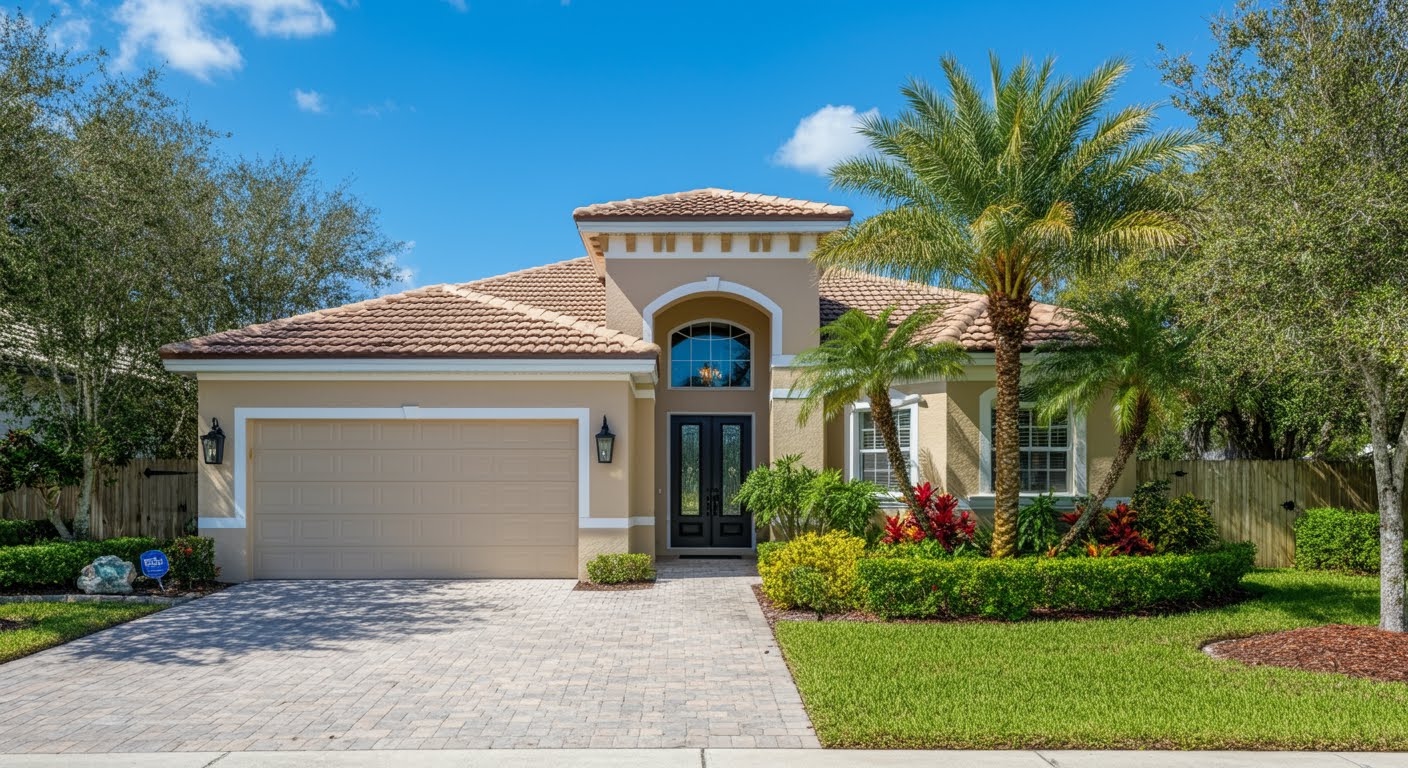
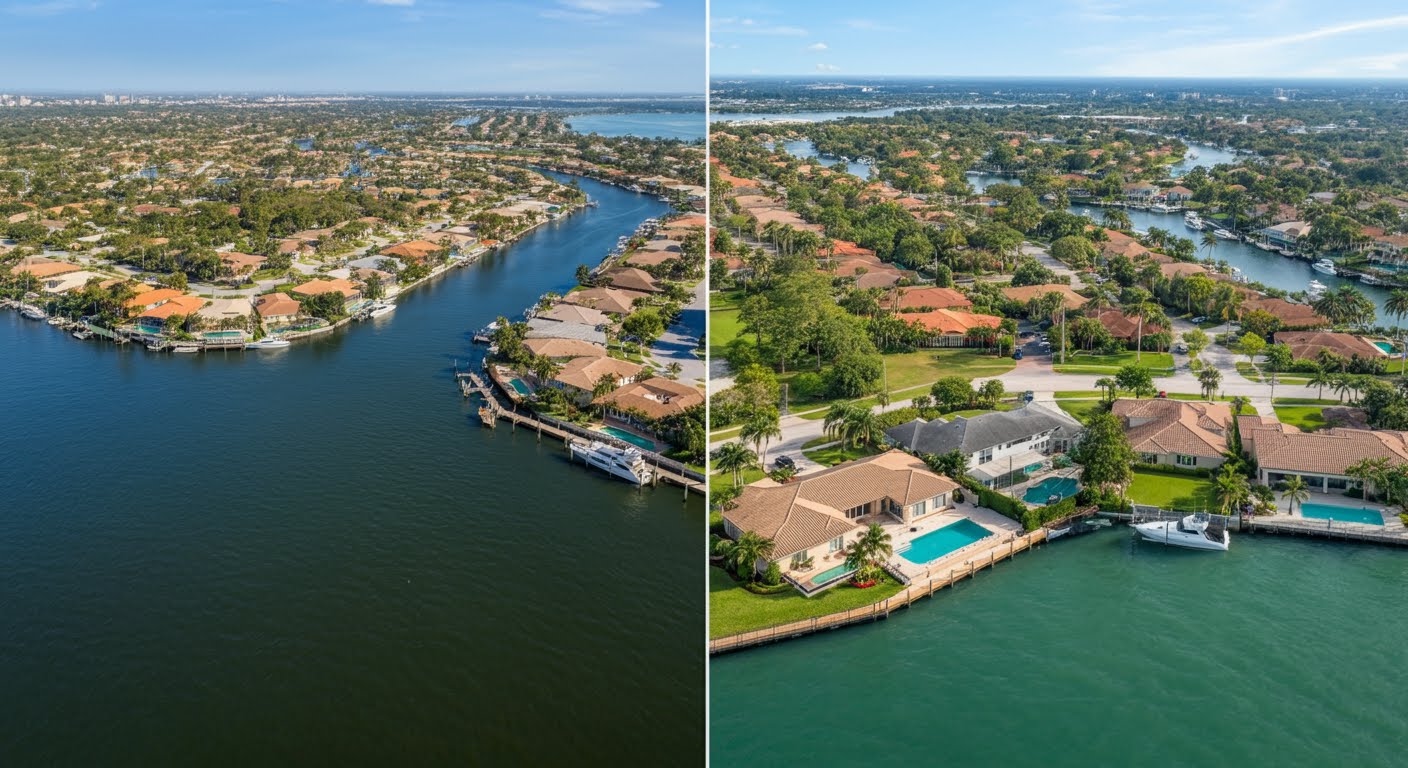
You closed up the house in April, drove back to Michigan or Ohio or Massachusetts, and somewhere between Memorial Day and the Fourth of July you decided this is the year to sell the Florida place. Maybe the insurance renewal pushed you over. Maybe the kids aren't using it. Maybe the stairs in the Naples condo aren't aging with you. Whatever the reason, you're now trying to sell a property that's 1,200 miles away, sitting empty, with hurricane shutters latched and the AC set to 78.
The mechanics of an out-of-state sale aren't complicated in theory. In practice, the things that go wrong are almost never the things first-time absentee sellers worry about. They worry about signing documents remotely. The actual problems are who lets the inspector in, who meets the appraiser, who handles the third repair request, and what happens when the buyer's lender asks for a hurricane disclosure addendum two days before closing.
The Honest Picture of a Remote Sale
A remote SWFL sale is roughly 80% the same as a local one and 20% completely different. The 80% — listing agreement, pricing, marketing photos, contract negotiation, closing — runs through email, e-signature, and phone calls the same way it would if you were sitting in Cape Coral. The 20% is operational: physical access to the property, decisions made on short notice, and the dozens of small judgment calls that get harder when you can't drive over and look.
What makes the difference between a clean remote sale and a painful one is almost always set up before the listing goes live. Sellers who line up a local point person, a clear vendor list, and a realistic schedule tend to close on time with a tolerable amount of stress. Sellers who assume their agent will handle everything tend to discover, around inspection week, that "handle everything" is doing a lot of work in that sentence.
Power of Attorney — When You Need One, When You Don't
Most out-of-state sellers do not need a power of attorney to sell a Florida home. Closings are almost entirely paperless now. Title companies and closing attorneys send documents through secure portals, you sign electronically or in front of a notary in your home state, and the executed documents come back the same way. Remote online notarization (RON) is legal in Florida and widely accepted, though some lenders still prefer in-person notarization of certain documents.
You'd consider a power of attorney in a few specific situations: you're traveling internationally during the closing window, you're in a health situation that makes signing logistics uncertain, or there are multiple sellers on title (a married couple, siblings on an inherited property) and coordinating two signatures across two locations is genuinely hard. In those cases, a limited power of attorney that names a specific person to sign closing documents on your behalf — usually drafted by the closing attorney — costs a few hundred dollars and removes a real point of friction.
The catch: lenders on the buyer side sometimes object to a seller using a POA, especially if it's not drafted to their specifications. If you think you might need one, ask the title company early — before the contract is executed — so the language can be agreed on in advance rather than fought over during the final week.
Pre-Listing Prep From 1,200 Miles Away
The work that happens before the sign goes in the yard is where remote sellers most often underinvest. A home that's been sitting closed up for two months looks and smells like it. Hurricane shutters block half the natural light. The lanai screens collect leaves. The AC has been running just enough to fight humidity, not enough to keep the place fresh.
What this actually requires:
- A trusted local point person. This is either your listing agent (if they're willing to take that on) or a property manager or trusted friend with a key. Someone who can be at the house within a day's notice. Someone whose phone number you can give to the inspector.
- A pre-listing walk-through. Have your agent do a full video walk-through before any photos are taken — every room, every closet, the garage, the lanai, the dock if there is one. You should see what a buyer would see. Note anything that looks tired, dirty, dated, or broken.
- Cleaning, landscaping, and detail work. Deep cleaning runs $300 to $600 for a typical SWFL home. Landscaping touch-up — trimming, mulch, pressure washing the driveway and lanai cage — runs $400 to $1,200. Pressure washing alone, on a Cape Coral home with a paver driveway and screened lanai, transforms photos.
- Shutters open, lights on. Roll-down shutters and accordion shutters need to be open for photos and showings. If you don't have someone local who can manage that, the home photographs and shows dark — which costs you real money in offer price.
Walk-through video standards matter here. Ask your agent to send vertical phone video, slow pans, lights on, every room. Not a marketing reel — a documentation reel. You want to be able to see, from your kitchen table in Cincinnati, whether the grout in the guest bath needs cleaning or whether there's a water stain on the lanai ceiling you didn't know about.
The Snowbird Operations Problem
Here's the question that catches absentee sellers off guard: who actually lets the inspector in?
A SWFL home sale typically involves at least four scheduled access events during the contract period: the buyer's home inspection (2 to 4 hours), the wind mitigation and four-point inspections (often separate appointments, 1 to 2 hours each), the appraisal (30 to 60 minutes), and any re-inspection after repairs. Each one requires someone to open the door, disarm the alarm, open the shutters if they're closed, and lock back up afterward.
Your options:
- Your listing agent. Some agents will handle all access; some won't. Ask before signing the listing agreement. If they will, confirm whether they charge for it or include it. Multiple inspection visits eat hours.
- A property manager or concierge service. If you've already been using one to check the home during the off-season, they can usually handle showings and inspection access for a per-visit fee — typically $50 to $100 per appointment in SWFL.
- A trusted neighbor or friend. Workable for one or two visits, less workable for the full contract cycle. People burn out, especially during summer.
- A combination lockbox and remote-monitored access. Common for vacant listings. Works for showings, less ideal for inspections where you want someone present to answer questions about the AC, the irrigation, or which breaker controls the dock.
Whichever path, build it into your plan before the listing goes live. The worst version of this story is the seller who realizes, during inspection week, that nobody has agreed to be at the house on Wednesday at 9 a.m.
Repair Negotiation From a Distance
The inspection report comes back. The buyer's agent sends over a repair request list with 14 items. You're sitting in your kitchen in Ohio looking at a PDF that says "GFCI outlet inoperative in master bath" and "evidence of prior moisture intrusion at lanai slider — recommend further evaluation by licensed contractor."
This is the moment where remote sellers either lean on their agent's judgment or spiral. Here's how I'd think through it.
Say yes to: safety items (non-functional GFCI outlets, smoke detectors, exposed wiring), small fixes that a buyer's inspector would flag again on a re-inspection (running toilet, missing escutcheons, loose railing), and anything tied to the four-point or wind mitigation inspection that affects the buyer's insurability. If the buyer can't get insurance, you don't have a deal. That's a different category than cosmetic complaints.
Push back on: requests to upgrade rather than repair, anything related to age-appropriate wear on a home the buyer knew the age of, and "further evaluation" items where the inspector punted to a specialist. "Further evaluation" doesn't mean there's a problem. It often means the inspector saw something they aren't qualified to diagnose.
Offer a credit instead of repair when: the repair requires a contractor visit, scheduling, and a follow-up inspection — all of which extend timeline and operational burden when you're remote. A $1,500 credit at closing for plumbing repairs is often cheaper, in total stress, than coordinating a plumber from Indiana. Credits also let the buyer choose their own contractor, which removes a fight about quality of work.
The trap to avoid: agreeing to repairs you then can't actually get done in the contract window. SWFL trade contractors — roofers, electricians, AC techs, plumbers — are still running tight schedules following Ian-era backlogs in some categories. If you commit to replacing a water heater in 10 days and the plumber can't get there for three weeks, you're now in breach of contract. Credits are often the safer answer for an absentee seller.
Florida-Specific Timing Risks
Three SWFL-specific disclosure and documentation issues consistently complicate remote sales, and absentee sellers are the most exposed to them because they're the least likely to have the paperwork in a single place.
Hurricane and flood disclosures. Florida sellers must disclose known material defects, and post-Ian, that includes any history of flooding, wind damage, or insurance claims. If your home took on water during Ian or Helene or Milton, you must disclose it — even if it was fully remediated and even if the buyer can see the work was done well. Have your claim records, contractor invoices, and any permits handy from the beginning. Buyers and their lenders will ask, and "I'll have to look for that" delays the deal.
Post-Ian rebuild documentation. If your home had structural repairs, a new roof, a new seawall, electrical or HVAC replacement following storm damage, the buyer's lender and insurer will want documentation. Permits closed out. Final inspections signed off. Manufacturer warranties on roof and equipment. If any of that work was done without permits — which happened in 2023 in some communities under pressure — the buyer will discover it during their own permit search, and it becomes a renegotiation point or a deal-killer. Get ahead of it.
SIRS reports for condos. If you own a condo in a building three stories or higher, the Structural Integrity Reserve Study and milestone inspection requirements that came out of the post-Surfside condo law overhaul are now in effect, and buyers' lenders are looking at them carefully. As an absentee condo seller, you should request your association's current SIRS report, milestone inspection (if applicable), reserve study, and any special assessment notices before listing. Buyers asking about these mid-contract is fine; not having answers ready is what stalls deals. This is especially true in older buildings in Naples, Marco Island, and the Fort Myers Beach rebuild zone, where condo financials are under serious scrutiny in 2026.
Snowbird sellers in Cape Coral and Fort Myers face one additional timing wrinkle: hurricane season. June 1 through November 30 is open season for both actual storms and insurance underwriting freezes. If a named storm enters the Gulf, insurers stop binding new policies for properties in the cone — which means your buyer can't close until the storm passes and binding reopens. Build a week of contingency into your closing date during these months, and don't be surprised if the calendar slides.
If This Is Your Situation, Here's the Conversation to Have
If you're sitting up north trying to figure out how to sell a SWFL property you haven't seen since April, the most useful first conversation is the one about logistics, not price. Price matters, and we'll get to a number. But the question that determines whether your sale goes smoothly is whether the operations are set up: who has keys, who lets people in, who handles the small decisions that come up weekly, and what your decision-making process looks like when you're three time zones removed from the property.
If you want to walk through your specific situation — the property, the timeline, who's already on the ground for you, what your insurance and rebuild documentation looks like — I'm happy to do that. You can reach out here, or if you're a seasonal owner trying to figure out the broader picture of holding versus selling, our snowbird resources page covers some of the year-round questions absentee owners face. Either way, no pressure and no obligation — just a real conversation about what your sale would actually look like.
Equal Housing Opportunity. Freddy Baez · Florida Broker BK3274734 · The Baez Collective at eXp Realty. Information here is general guidance, not legal, tax, or investment advice — please consult a qualified professional for your specific situation.