Hurricane Season Is Real — But It Doesn't Stop Sales
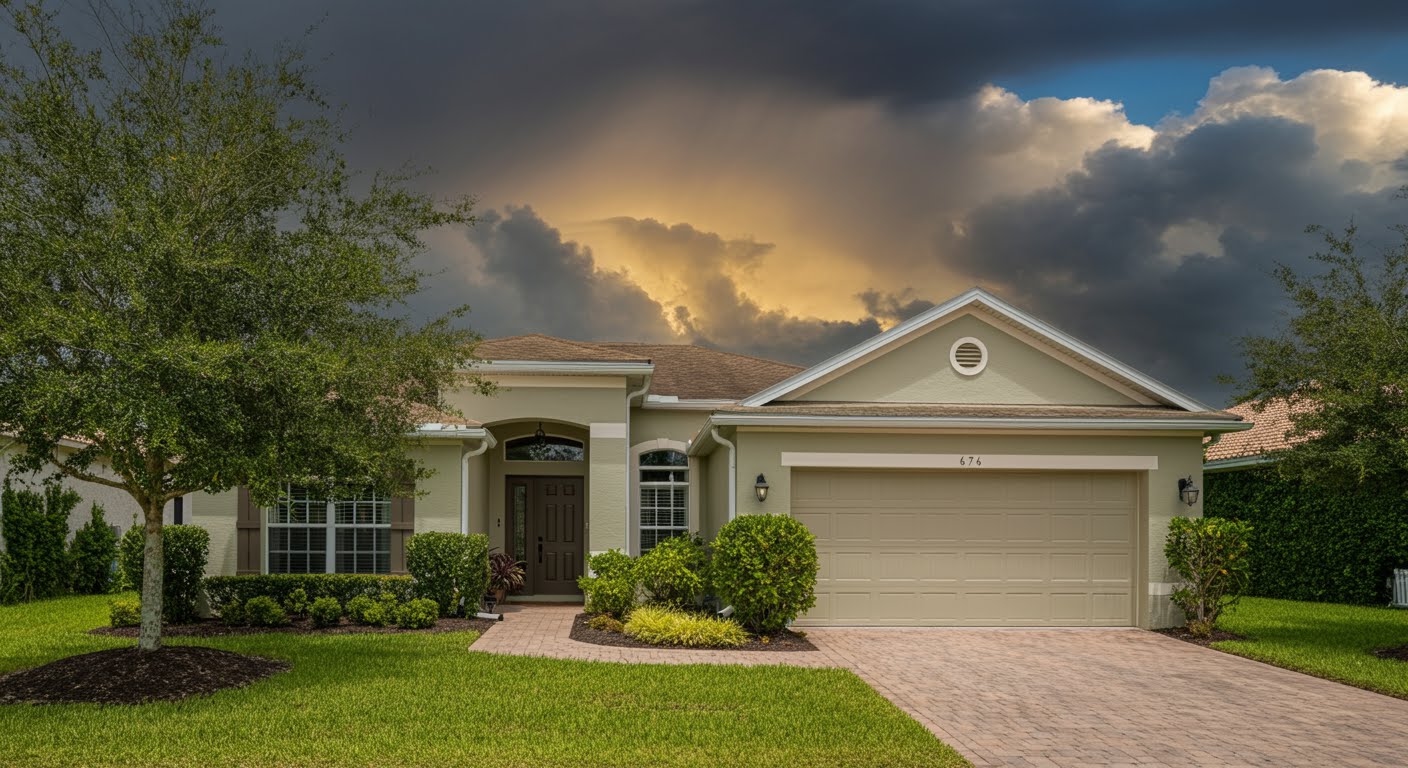
Florida's official hurricane season runs June 1 through November 30. In Southwest Florida, the peak of activity is statistically August through October. Selling during this period doesn't mean you won't sell — well-priced homes in this market sell year-round. But it does mean understanding a specific set of issues that don't come up in a February transaction.
Buyers have legitimate concerns about storm risk. Insurance is more complex in summer. Post-storm disclosure requirements add a layer of accountability. And active storm threats can briefly pause transaction activity if buyers and sellers are understandably distracted. None of this is fatal to a sale — but all of it is manageable if you understand it going in.
How Hurricane Season Affects the Market Rhythm
Southwest Florida's real estate market follows a seasonal pattern that's tied to both weather and migration. The peak selling season runs roughly November through April — when seasonal residents arrive, snowbirds are active, and buyers from cold climates are most motivated to make a move. Inventory typically tightens and competition increases during this period.
Summer (June through September) sees lower buyer traffic overall. The heat is intense, seasonal residents have largely returned north, and fewer out-of-state buyers are flying in for house-hunting trips. This means your pool of active buyers is smaller — but so is the pool of competing sellers. Days on market stretch; buyers who are in the market during summer often have legitimate motivation (job relocation, family change, specific need) rather than casual shopping.
October and November occupy a middle ground — activity picks up as seasonal residents return, but the hurricane season hasn't officially ended. For sellers, pricing well and showing the home in excellent condition becomes even more critical during the slower months, because you're competing harder for the buyers who are looking.
Insurance Complications During Hurricane Season
Homeowner's insurance in Florida has become significantly more complex in recent years, and during active hurricane season — particularly when a named storm is within a defined distance — insurance companies issue moratoriums. A moratorium means no new policies can be written, no existing policies can be bound on new addresses, and sometimes existing policy changes are frozen.
For a sale that's under contract during an active storm threat, this can create complications. The buyer needs to bind homeowner's insurance to close. If the insurance company is under moratorium, the closing may need to pause until the storm passes and the moratorium lifts. This is temporary, not permanent — but it can add days to a closing timeline unexpectedly.
As a seller, the practical implication is to build in closing timeline flexibility during summer months. A 30-day close during peak season is typically fine. A 30-day close in August during an active tropical storm threat may need a few extra days of buffer. Your contract's closing date should reflect this reality, and both parties should understand that a moratorium-related delay isn't a default — it's a force majeure condition.
Sellers should also know: your homeowner's insurance on the property remains active until you close and title transfers. You're covered during the marketing and contract period by your existing policy. The buyer's new policy kicks in at closing. There's no gap — but both sides need to confirm the timeline clearly, especially around storm events.
Assignment of Insurance Claims — Know Where You Stand
Florida's 2023 insurance reform legislation significantly changed the rules around Assignment of Benefits (AOB) — the process by which homeowners assigned their insurance claims to contractors. This created significant fraud and insurance market instability in prior years, and the new law largely eliminates post-loss AOB for residential property insurance.
For sellers with an open or pending insurance claim on the property: you need to disclose this to buyers. An unresolved insurance claim is a material fact under Florida law. If a hurricane or tropical storm caused damage that has been claimed but not fully repaired or settled, that situation must be disclosed in writing. Buyers are entitled to know if there's an outstanding claim, what damage was involved, and the current status of the repair and settlement.
Trying to close a sale over an undisclosed open claim is both legally risky for the seller and practically difficult — lenders and title companies will surface it during the underwriting and title examination process. Disclosure is always the right answer, and most buyers can work through a disclosed, documented claim situation when the facts are clear.
Post-Storm Disclosure Requirements
Florida law requires sellers to disclose any known material defects or facts that could affect the property's value or the buyer's decision to purchase. Storm damage — even if repaired — can be a material fact depending on the extent and nature of the damage.
What must be disclosed: any flooding or storm surge that entered the structure, any roof damage that was claimed or repaired, any structural damage from storm events, any mold remediation related to storm water intrusion, and any insurance claims filed for storm damage (whether paid or denied).
Post-Ian (Hurricane Ian, 2022) disclosures are particularly relevant for Southwest Florida properties. Sellers of homes affected by Ian — even if fully remediated — should be prepared to provide documentation of the damage scope and repair work. Buyers and their agents are increasingly sophisticated about Ian-related property histories, and attempting to minimize or conceal Ian damage is a significant legal risk.
The best approach: full disclosure with documentation. Provide the insurance claim, the contractor's repair scope, the certificate of completion or permit final, and any inspection records. A buyer who understands exactly what happened and how it was resolved is in a far better position to make a decision — and far less likely to pursue post-closing claims — than a buyer who felt misled.
Handling Active Storm Threats During a Listing
If your home is listed and a tropical storm or hurricane is approaching Southwest Florida, here's a practical protocol:
- Close your shutters or otherwise protect the property as you normally would. Staging adjustments for showings take a back seat to storm preparation.
- Communicate with your agent. They will temporarily pause showings if conditions warrant, and can notify any buyers currently under contract about the situation.
- If a contract is in effect and a storm causes damage before closing, the contract should address what happens. Florida's standard residential contract (the AS-IS or FR/BAR contract) includes a casualty/loss provision — typically requiring the seller to notify the buyer and giving both parties options to proceed or cancel depending on the damage extent.
- Document the property's condition before and after any storm event, both for insurance purposes and for your legal protection in any ongoing transaction.
Common Buyer Concerns to Address Proactively
Buyers who are new to Florida or evaluating a purchase during hurricane season often have questions that, left unaddressed, create hesitation. Sellers and agents who address these proactively close faster and with fewer disruptions:
- What is the home's flood zone and flood insurance cost?
- Has the home ever had storm damage, flooding, or insurance claims?
- Does the home have impact windows/doors or shutters, and are they fully operable?
- What is the roof age and material?
- What did the home's insurance cost last year, and is the policy transferable?
Having good answers to all of these ready in your listing materials — the feature sheet, the disclosures, the MLS remarks — removes objections before they have a chance to become deal problems.
Selling During Hurricane Season? Let's Plan It Right.
Selling in summer in Southwest Florida requires a clear strategy and realistic expectations about the buyer pool and timeline. It also requires specific knowledge of the disclosure requirements and insurance dynamics that come with this market. If you're considering listing during hurricane season and want to understand what to expect and how to prepare, I'm here to walk through it with you.