Setting Realistic Expectations
Every week someone sends me a pro forma showing a Cape Coral canal home grossing $80,000 a year on Airbnb. Sometimes the numbers are defensible. More often, they assume 80% occupancy in August, cleaning fees that don't account for actual turnover costs, and insurance from 2021. Here's what the numbers actually look like when you stress-test them.
Cape Coral is a legitimate short-term rental market — one of the most active in Lee County. The city has over 400 miles of canals, a strong seasonal demand pattern, and no citywide ban on short-term rentals. Those are real advantages. But the spread between a well-run rental and a poorly underwritten one is wide enough to matter significantly to your returns.
What Canal Homes Actually Rent For
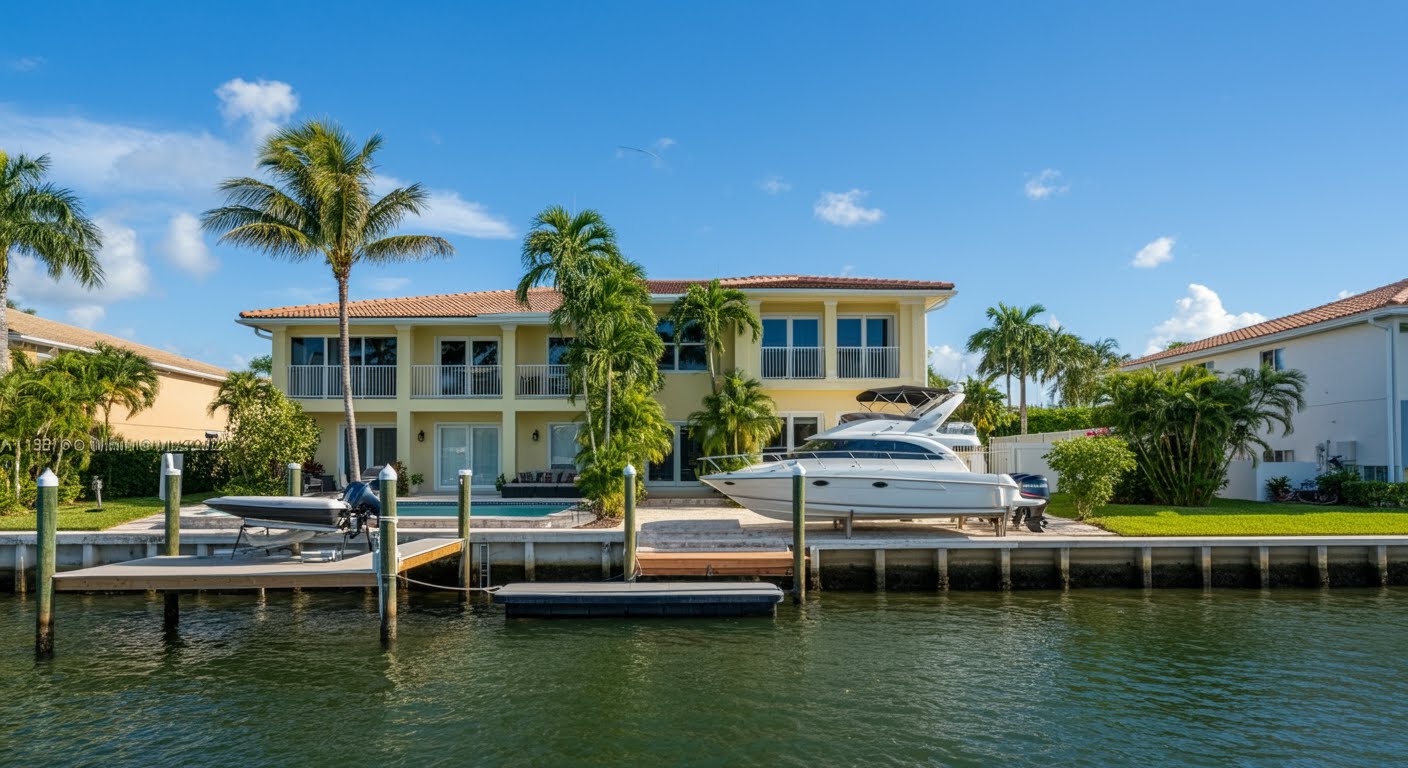
Nightly rates in Cape Coral follow a clear seasonal curve. Gulf-access canal homes — properties where a boat can reach open water without a fixed bridge — consistently command a 25–40% premium over freshwater canal homes. Here are realistic rate ranges based on 2025–2026 market data:
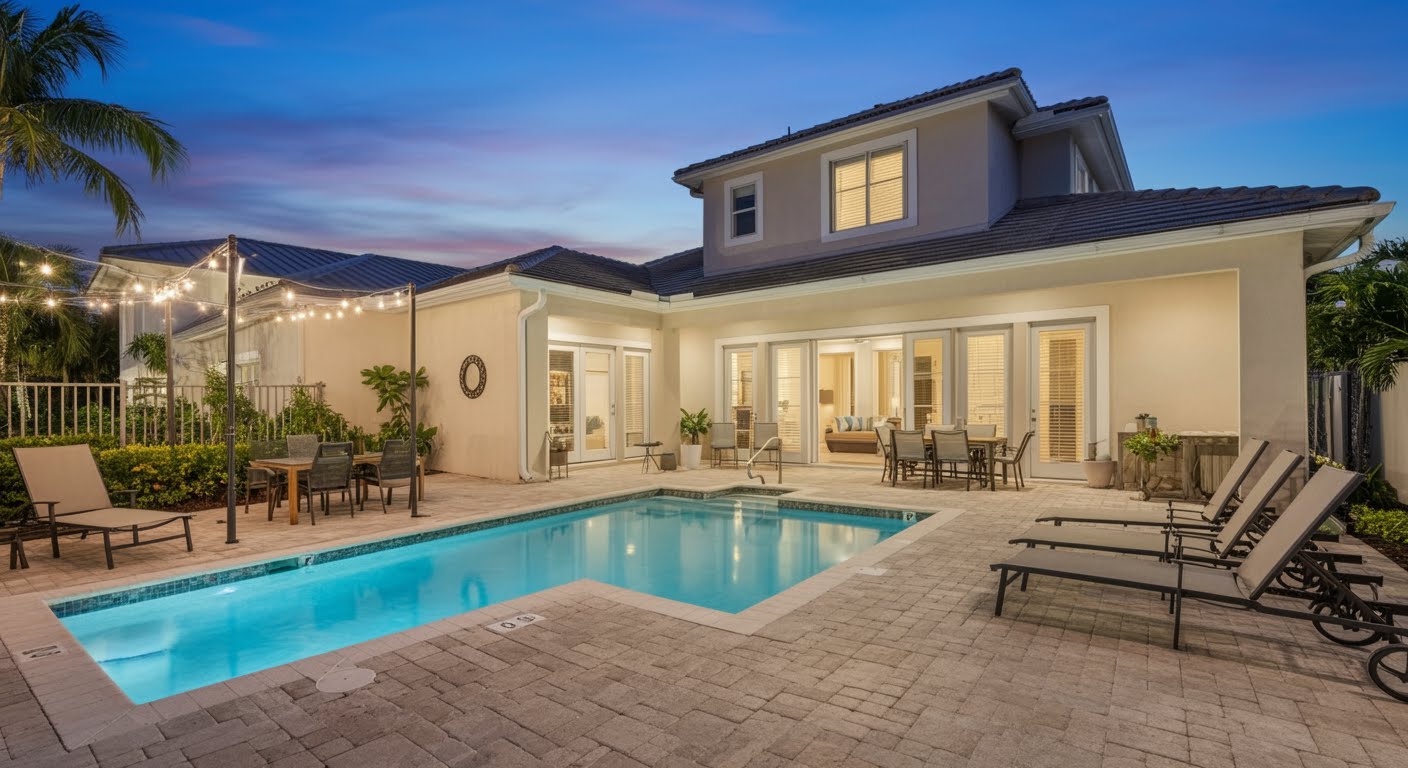
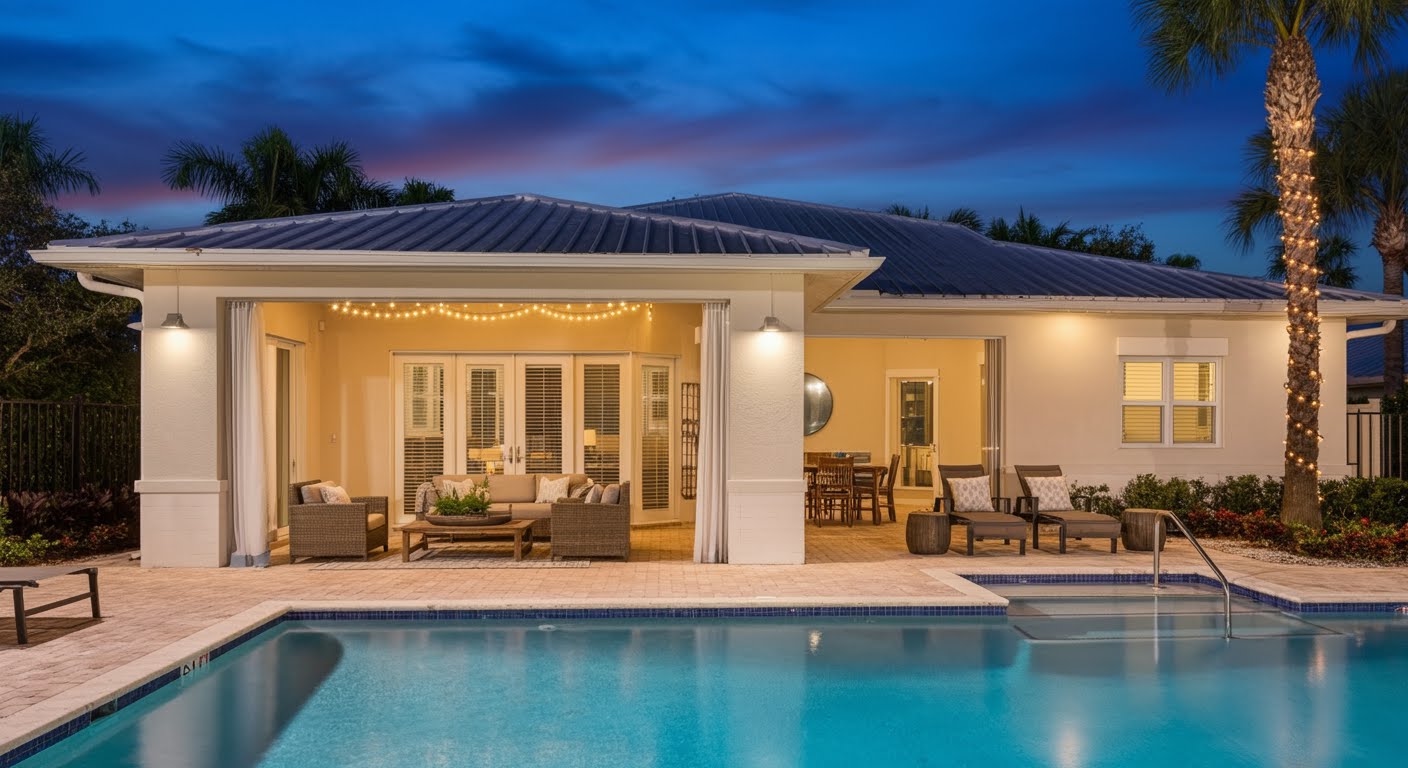
Gulf-access homes (3BR/2BA, pool, dock):
- Peak season (Jan–April): $350–$550/night
- Shoulder season (Oct–Dec, May): $225–$325/night
- Off-season (June–September): $150–$225/night
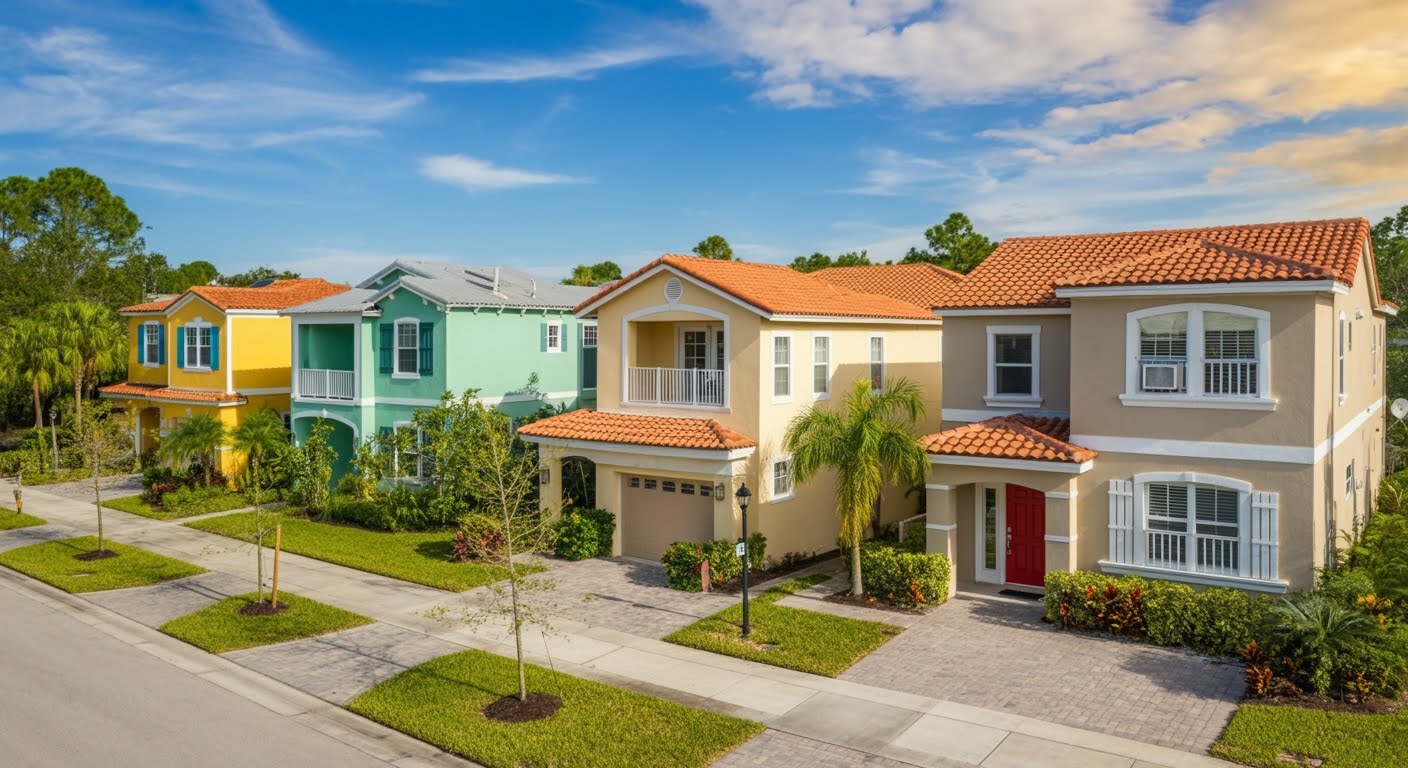
Freshwater canal homes (3BR/2BA, pool):
- Peak season: $225–$350/night
- Shoulder season: $165–$225/night
- Off-season: $120–$175/night
A well-managed gulf-access home with good photography and consistent reviews can realistically achieve 200–230 booked nights annually. Freshwater canal homes typically land in the 160–190 night range. These aren't ceiling numbers — they're what competent operators actually achieve.
Seasonal Occupancy Patterns
January through April is the engine of Cape Coral vacation rental income. Snowbirds, spring breakers, and golf travelers push occupancy to 85–95% during peak weeks. March in particular can see full calendars booked months in advance for desirable properties.
The summer months are the honest test of a Cape Coral rental business. June, July, and August occupancy typically falls to 45–65% for most properties. This isn't failure — it's the seasonal reality of a Gulf Coast market. Operators who succeed in summer price competitively, target domestic travelers and Florida families, and use that slower period to handle maintenance and upgrades.
October through December is an underrated window. Canadian snowbirds arrive earlier than most people expect, and the weather in November and December is genuinely excellent. Properties that stay actively managed through this window typically capture an additional 4–6 weeks of bookings that less attentive owners miss.
Real Expense Breakdown
This is where pro formas usually fall apart. Let's work through a realistic annual expense picture for a $550,000 gulf-access canal home:
Fixed annual costs:
- Property taxes: $6,500–$8,500 (non-homestead rate)
- Homeowners insurance: $8,000–$14,000 (wind + flood + liability)
- Flood insurance: $2,500–$5,000 (zone-dependent)
- HOA (if applicable): $0–$3,600
- Property management (if outsourced, 20–30% of gross): $14,000–$22,000
Variable operating costs:
- Cleaning per turnover ($150–$250 x 180 turnovers): $9,000–$14,000
- Pool service: $1,800–$2,400/year
- Landscaping: $2,400–$3,600/year
- Utilities (electric, water, internet): $4,800–$7,200/year
- Restocking supplies and linens: $1,500–$3,000/year
- Platform fees (Airbnb/VRBO, 3%): $1,800–$2,500/year
- Maintenance reserve (1–1.5% of value): $5,500–$8,250/year
Total annual expenses typically land in the $50,000–$80,000 range for a managed gulf-access property, including insurance. That's not a typo — insurance costs in Cape Coral post-Ian have fundamentally changed the math for many properties.
Net Yield Ranges: What to Actually Expect
Running the numbers on a realistically underwritten gulf-access property at $550,000:
- Gross annual revenue (optimistic operator): $72,000–$85,000
- Gross annual revenue (average operator): $55,000–$68,000
- Total expenses (managed): $58,000–$72,000
- Net operating income: $5,000–$22,000
- Cash-on-cash yield (20% down, current rates): 1.5%–5.5%
For freshwater canal homes in the $350,000–$450,000 range, the math is often more favorable on a yield basis — lower acquisition cost, lower insurance burden, and still strong seasonal demand. Net yields of 4–7% cash-on-cash are achievable for well-run freshwater properties purchased at reasonable prices.
The investors who make the strongest returns in this market tend to share a few traits: they self-manage or have a trusted local operator, they bought before the 2021–2022 run-up, and they treat it as a 10-year hold rather than a quick flip.
The Insurance Factor in 2026
You cannot underwrite a Cape Coral rental property without taking insurance seriously. Hurricane Ian's impact on Lee County reshaped the insurance market in ways that are still playing out. Citizens Property Insurance has been shedding policies and pushing rates higher. Private market carriers have either exited or repriced significantly.
For a rental property (non-homestead), expect to budget $8,000–$14,000 annually for a combined wind + liability policy, plus a separate flood policy if you're in a required flood zone. Some properties near the Caloosahatchee or in low-lying sections of SW Cape Coral carry higher flood risk and premiums to match.
Before you close on any investment property, get an actual insurance quote — not an estimate from Zillow or the listing agent. The difference between a $6,000 and a $13,000 insurance bill changes your cap rate materially.
Is It Worth It in 2026?
Cape Coral remains one of the more active vacation rental markets on Florida's Gulf Coast. The demand is real, the canal lifestyle is a genuine differentiator, and properties managed well do generate meaningful income. But the era of buying almost anything and having it cash flow is over — if it was ever truly here.
The honest answer for 2026: gulf-access homes are hard to make pencil at current prices unless you're putting significant equity in or have a premium operator. Freshwater canal homes at the right price point, with controlled expenses, can still work. The due diligence bar is higher than it was two years ago, and that's appropriate.
If you're evaluating a specific property and want to run the numbers together, that's a conversation worth having. I'd rather spend an hour stress-testing a deal than watch someone close on something that doesn't perform.
Explore More