Why Naples Is a Different Investment Animal
Naples is not a typical rental yield market. Anyone who tells you they're buying in Naples primarily for cash flow is either lying or operating in a very specific niche. The honest story is that Naples has historically been an appreciation and wealth-preservation play, with rental income as a secondary benefit rather than the primary thesis.
That said, there are genuine pockets of opportunity in the Naples market for investors who understand where rental demand is strongest and what price tiers produce workable returns. Here's how to think about it clearly.
Understanding the Price Tiers
Naples has one of the most bifurcated real estate markets in Southwest Florida. The entry-level investor market and the ultra-luxury market operate almost independently.
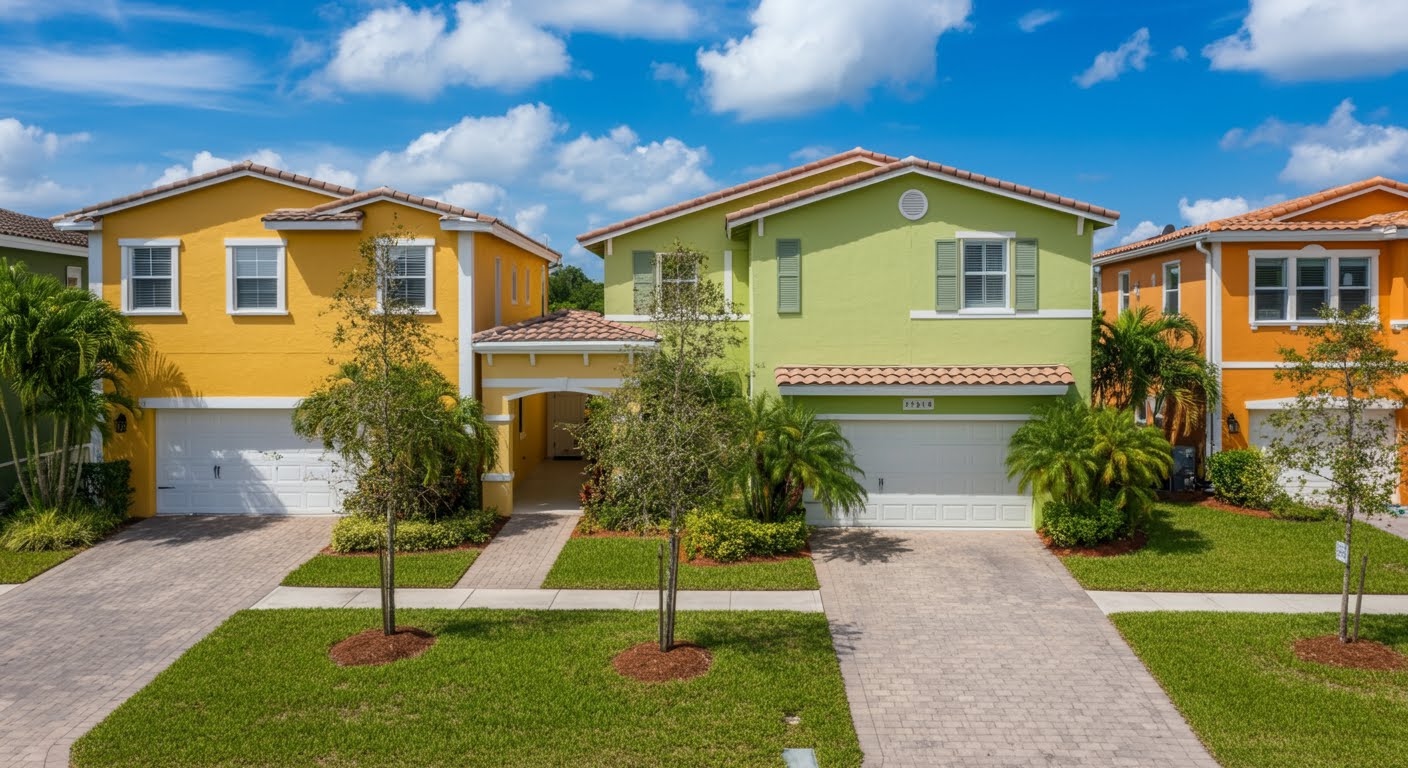
Entry-level investment tier ($350,000–$600,000): This is where the most active rental investor activity occurs. Properties in this range are typically condominiums in East Naples, older single-family homes in Golden Gate, or smaller units in communities that permit short-term rentals. CAP rates in this tier range from 4.5%–6.5% for well-managed properties.
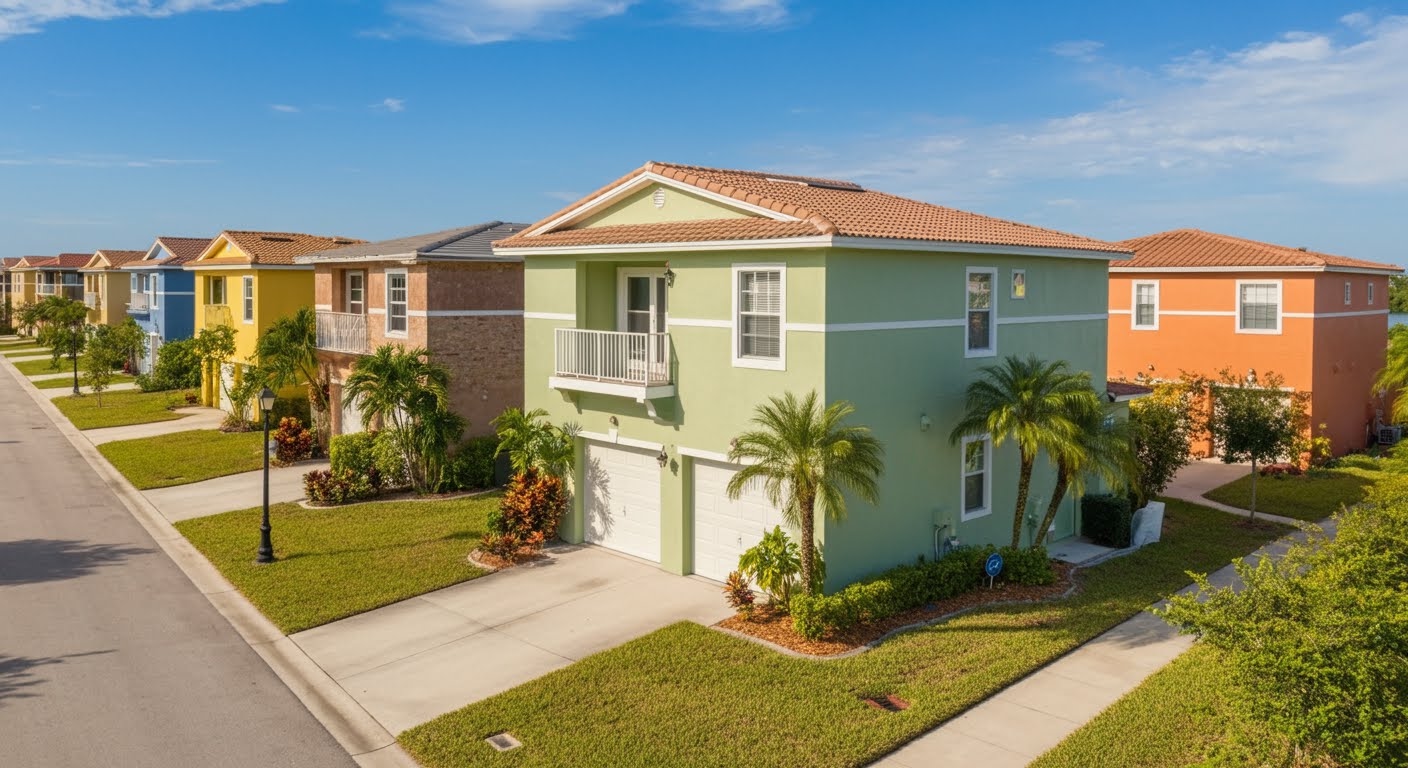
Mid-market tier ($600,000–$1.2M): Includes newer construction, coach homes in gated communities, and smaller single-family homes in desirable Naples neighborhoods. Rental demand is strong, but acquisition costs compress yields. Realistic CAP rates: 3.5%–5.5%. Most buyers in this tier are buying for appreciation and personal use with rental income offsetting carrying costs.
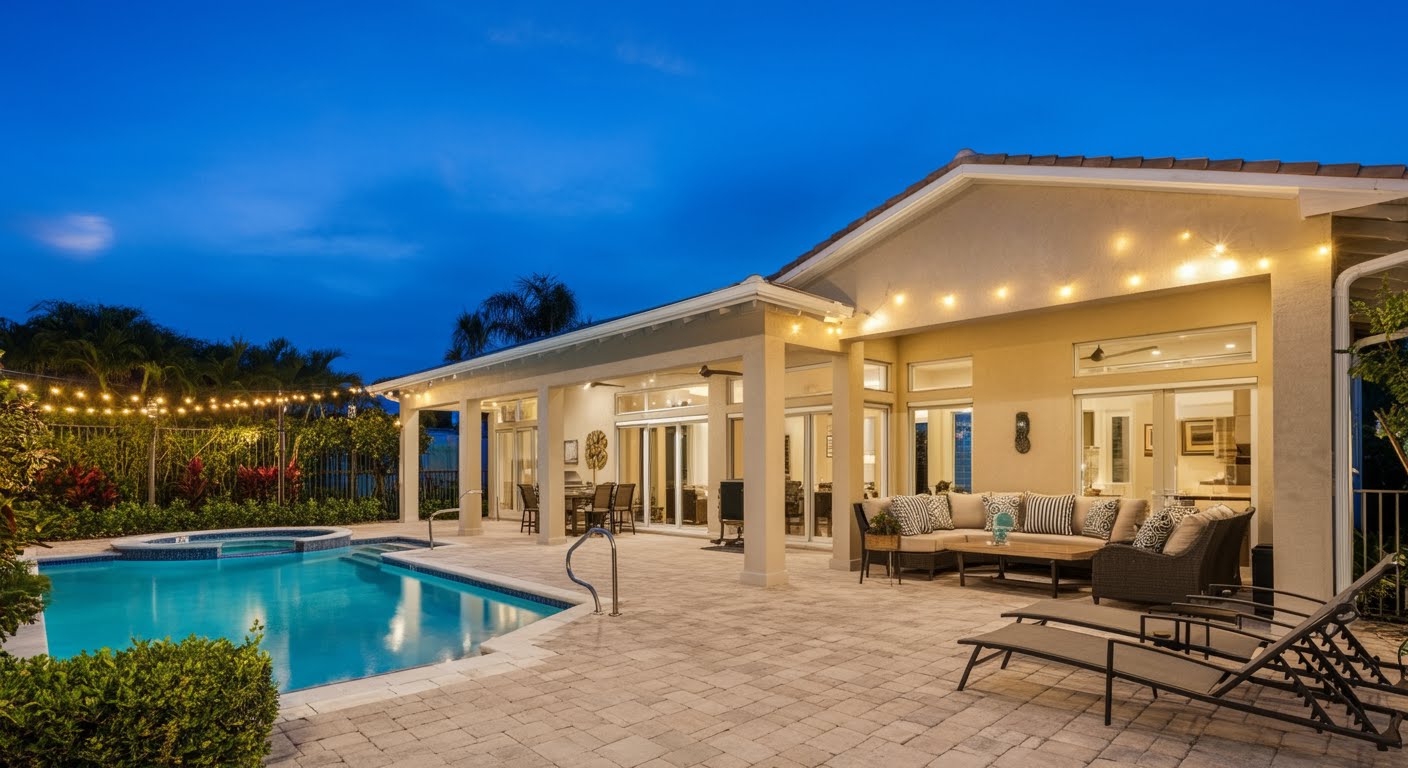
Luxury tier ($1.2M+): Properties in Port Royal, Aqualane Shores, Park Shore, and Pelican Bay. Rental income is incidental. The investment thesis here is asset preservation and appreciation in one of the country's most stable coastal luxury markets. Cap rates below 3% are common and expected.
What Drives Rental Demand in Naples
Naples attracts a different rental profile than Cape Coral or Fort Myers. The primary demand drivers:
Seasonal long-term rentals: The largest segment of Naples rental demand is snowbirds seeking 3–6 month seasonal leases. These tenants — typically retired professionals from the Northeast and Midwest — want turnkey furnished properties, prefer gated communities, and will pay a premium for quality and security. A well-furnished 2BR/2BA condo in a gated Naples community can command $5,500–$8,500/month during season (January–April).
Short-term vacation rentals: Demand exists but is more restricted in Naples than in Cape Coral or Fort Myers Beach. Many Naples condominium communities explicitly prohibit rentals under 30 days. Properties that do permit short-term rentals tend to be concentrated in specific corridors near Naples Beach and the Old Naples area.
Annual long-term rentals: The Naples annual rental market is tight. Vacancy rates for well-priced annual rentals in Naples are typically under 5%. A 2BR/2BA home or condo in East Naples or the US-41 corridor rents for $2,200–$3,200/month annually, with stronger properties in more desirable neighborhoods commanding more.
Condo vs. Single-Family Home: Investment Comparison
This is one of the most common questions Naples investors face, and the answer depends on your investment strategy.
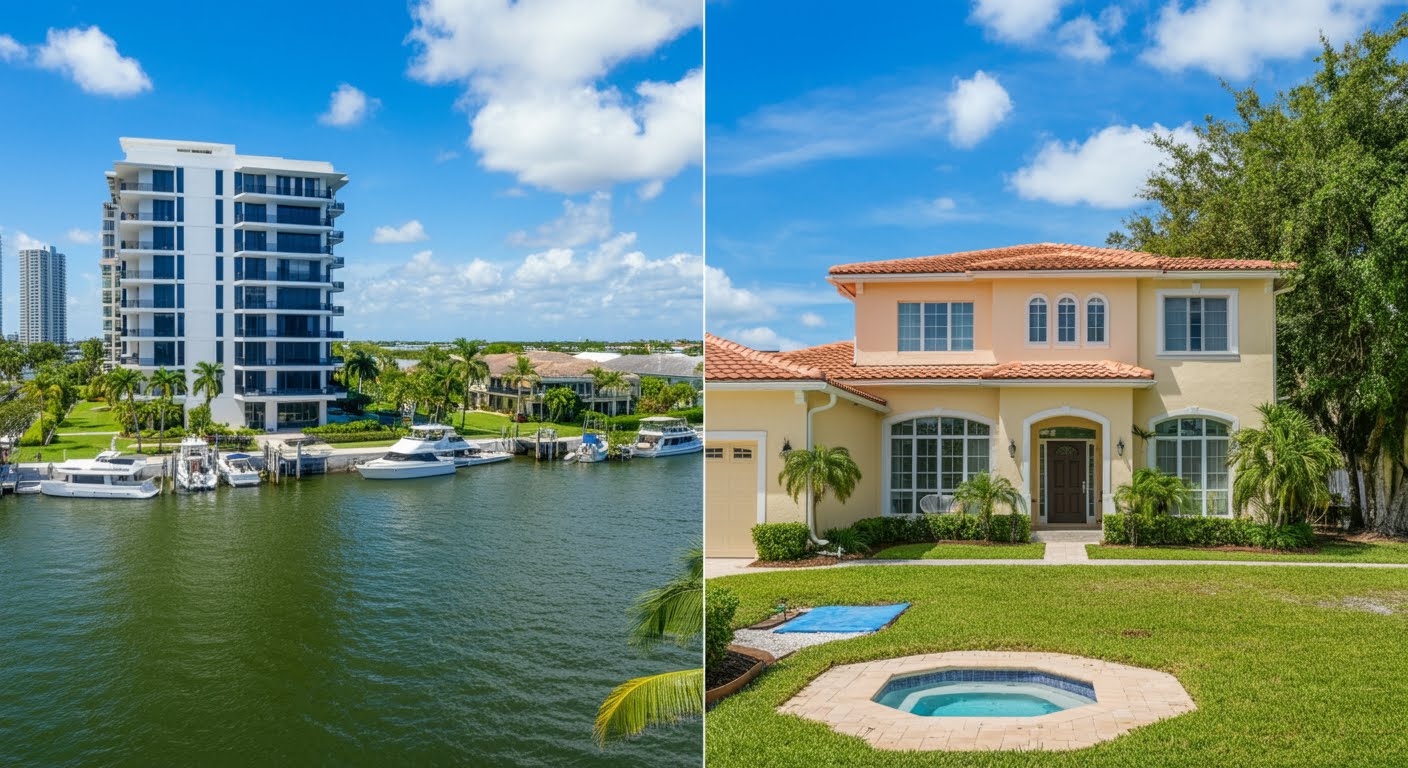
Condos: Lower acquisition cost, lower maintenance burden (no roof or exterior), and typically higher rental demand in the seasonal market. The tradeoff: HOA fees ($400–$1,200/month in many Naples communities), restrictions on rentals and pets, and less control over your investment. Condos in communities with short rental restriction periods (30 days) outperform those with longer minimum lease requirements on a per-night basis. Check the rental restriction language carefully — some communities allow only two rentals per year.
Single-family homes: More flexibility, no HOA (in many older neighborhoods), and stronger appreciation trajectory. The tradeoff: higher maintenance responsibility, more capital required, and more complexity for remote owners. Annual rental demand is strong for well-located SFH in Naples. Homes in Golden Gate Estates or the Collier Boulevard corridor can produce solid 5–7% gross yields as annual rentals.
For purely income-focused investors with limited capital, condos in permissive communities at the lower price tier tend to pencil better. For long-term appreciation with income offset, single-family homes in established Naples neighborhoods are hard to beat over a 10-year horizon.
CAP Rates: What the Naples Market Actually Produces
Published CAP rates for Naples are notoriously optimistic. Here's a more grounded view:
- Annual rental, single-family home (East Naples/Golden Gate): 4.5%–6.5%
- Annual rental, condo (non-gated, permissive): 4.0%–5.5%
- Seasonal rental, condo (gated community, 30-day minimum): 3.5%–5.0%
- Short-term rental, eligible property near beach: 4.0%–6.0%
- Luxury property ($1.2M+): 2.0%–3.5%
These are NOI-based CAP rates calculated against current market values. They assume competent management, realistic occupancy, and fully loaded expenses including insurance. Properties purchased at 2021–2022 peak prices and currently carried at those valuations will show lower effective yields until appreciation restores the spread.
What Smart Naples Investors Actually Do
The investors I've seen succeed consistently in Naples share a few common approaches. They buy in neighborhoods with demonstrated long-term demand — Old Naples, Vineyards, Pelican Bay corridors — rather than chasing yield in outlying areas. They underwrite conservatively, using 80% of projected seasonal occupancy and building in a full insurance cost estimate. And they hold for a minimum of 7–10 years, which gives appreciation time to do its work even in slow markets.
Naples is not the market to buy in if your primary goal is high immediate cash-on-cash yield. It is absolutely the market to buy in if you want a resilient asset in one of the most stable coastal communities in the country, with a tenant pool that takes excellent care of properties and pays on time.
If you're building a portfolio and want to talk through how Naples fits into the picture alongside higher-yield options in Cape Coral or Fort Myers, that's worth a conversation.
Explore More