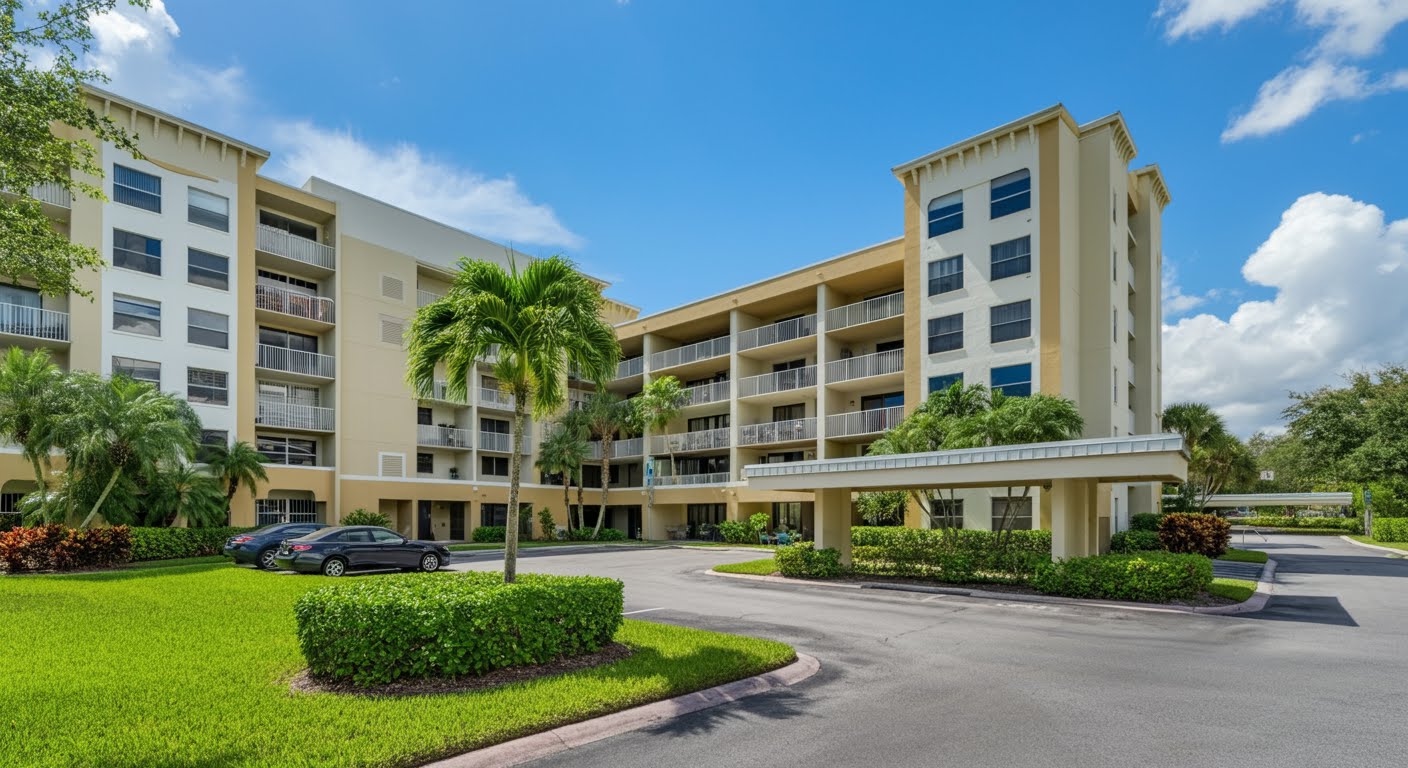
Post-Surfside: What Changed in Florida Condo Law
The June 2021 collapse of the Champlain Towers South in Surfside, Florida killed 98 people and fundamentally changed how Florida regulates condominium buildings. The reforms that followed — primarily HB 1021 (2023) — represent the most significant restructuring of Florida condominium law in decades. Every condo buyer in SWFL needs to understand what these changes mean before making a purchase.
The core changes in brief: mandatory milestone structural inspections for older buildings, required reserve funding studies and minimum reserve funding levels, expanded reporting and transparency requirements for condo associations, and restrictions on waiving reserve contributions. These changes affect the cost of owning a condo in Florida — both through higher HOA fees to fund required reserves and through potential special assessments in buildings that were previously under-reserved.
For buyers, this is not abstract regulatory trivia. It directly affects what you'll pay in monthly fees, whether you'll be hit with a special assessment after purchase, and whether the building you're buying into is financially healthy or heading for trouble.
Milestone Inspections: What Buildings Must Do and When
The milestone inspection requirement is one of the most significant new obligations for Florida condo buildings. Here's how it works:
Phase 1 Milestone Inspection: Required for condominium buildings 3 stories or higher upon reaching 30 years of age (25 years for buildings within 3 miles of a coastline). The inspection is conducted by a licensed architect or structural engineer and assesses the building's structural soundness. This phase must be completed and certified.
Phase 2 Milestone Inspection: If Phase 1 reveals structural concerns, a more intensive Phase 2 inspection is required. Phase 2 involves opening up structural components to inspect conditions that aren't visible from the surface. This can be expensive and disruptive.
Buildings that don't comply with milestone inspection deadlines face permit restrictions that can affect their ability to sell units. Buyers should verify a building's milestone inspection status — has it been done? Did it identify concerns? What is the remediation plan if Phase 2 was required?
Reserve Requirements: The Financial Backbone
Before Surfside, Florida condo associations could vote to waive reserve funding — essentially deciding not to save for future major repairs. Many associations did exactly this, keeping monthly fees artificially low at the expense of capital reserves. The result: buildings with aging infrastructure and no funds to maintain or replace it.
The post-Surfside legislation changed this. Effective December 31, 2024, condo associations are prohibited from waiving or reducing reserve contributions below the amounts determined by a reserve study conducted by a licensed reserve specialist. This means HOA fees for many older buildings have increased — sometimes substantially — to fund required reserves.
For buyers: request the most recent reserve study and the current reserve funding status for any condo building you're considering. Compare the current reserve balance to the total recommended reserve amount. A building that is 50% funded or better is in reasonable shape. A building that is 20% funded with large upcoming capital needs is a potential special assessment risk.
Special Assessments: How to Assess the Risk
A special assessment is a one-time fee levied on all unit owners to fund a specific capital expense that isn't covered by existing reserves. Special assessments range from minor ($500 for parking lot resurfacing) to major ($20,000–$50,000+ per unit for roof replacement, concrete restoration, elevator replacement, or structural work).
In the post-Surfside environment, special assessments in older buildings with inadequate reserve funding have become more common. Some buildings have levied assessments of $30,000–$80,000+ per unit. These are not theoretical — they've happened in SWFL buildings and have materially affected unit values.
How to evaluate the risk before buying: review the association's financial statements for the past 2–3 years to see if assessments have been levied recently and why. Review meeting minutes for any board discussions of upcoming major capital needs. Ask directly: are there any pending or anticipated special assessments? The seller is required to disclose known pending assessments — but an assessment not yet formally voted on may not be disclosed even if it's likely. The reserve study is your best early warning signal.
Buyer Due Diligence: What to Review Before You Close
Buying a Florida condo requires a different due diligence process than buying a single-family home. Beyond the property inspection, you're effectively buying into a shared ownership structure. The financial and governance health of that structure affects you directly.
Key documents to request and review:
Declaration of Condominium and Bylaws: The governing documents that define what you own, what the association owns, and what rules apply. Review rental restrictions (some communities prohibit short-term rentals or restrict annual rentals), pet policies, vehicle restrictions, and any rules that affect how you plan to use the unit.
Association budget and financial statements: At least 2 years of audited or reviewed financials. Look for the reserve balance, any operating deficits, patterns of special assessments, and whether the budget has been growing at a reasonable rate or spiking.
Reserve study: The most recent reserve study shows what capital expenditures are expected over the next 10–30 years and whether current funding is adequate. This is the single most important document for assessing future assessment risk.
Meeting minutes: 12–24 months of board and owner meeting minutes. Board meetings often discuss issues — maintenance problems, vendor disputes, delinquencies, upcoming projects — that aren't reflected in financial statements. Minutes are your window into what the board is actually dealing with.
Milestone inspection report: For buildings that have reached the inspection age threshold, request the completed milestone inspection. The findings and any required remediation tell you about the building's structural condition.
How These Changes Affect the SWFL Condo Market
The post-Surfside regulatory changes have had a measurable impact on the SWFL condo market. Inventory has increased in many condo buildings as owners facing higher fees and potential assessments have chosen to sell. Buyer demand for condos — particularly in older buildings — has softened as buyers become more aware of the due diligence requirements and cost uncertainties.
The result: condo buyers have more leverage in SWFL right now than at any point since 2020. Many sellers are motivated, pricing has softened in older buildings, and there's genuine opportunity for buyers who are willing to do thorough due diligence and buy selectively. The buildings that have done their milestone inspections, have adequate reserves, and have transparent financials are the ones worth buying. The buildings that are still sorting through deferred maintenance and funding shortfalls are ones to approach with caution or avoid.
Explore More
Ready to learn more about Southwest Florida? Check out these resources: