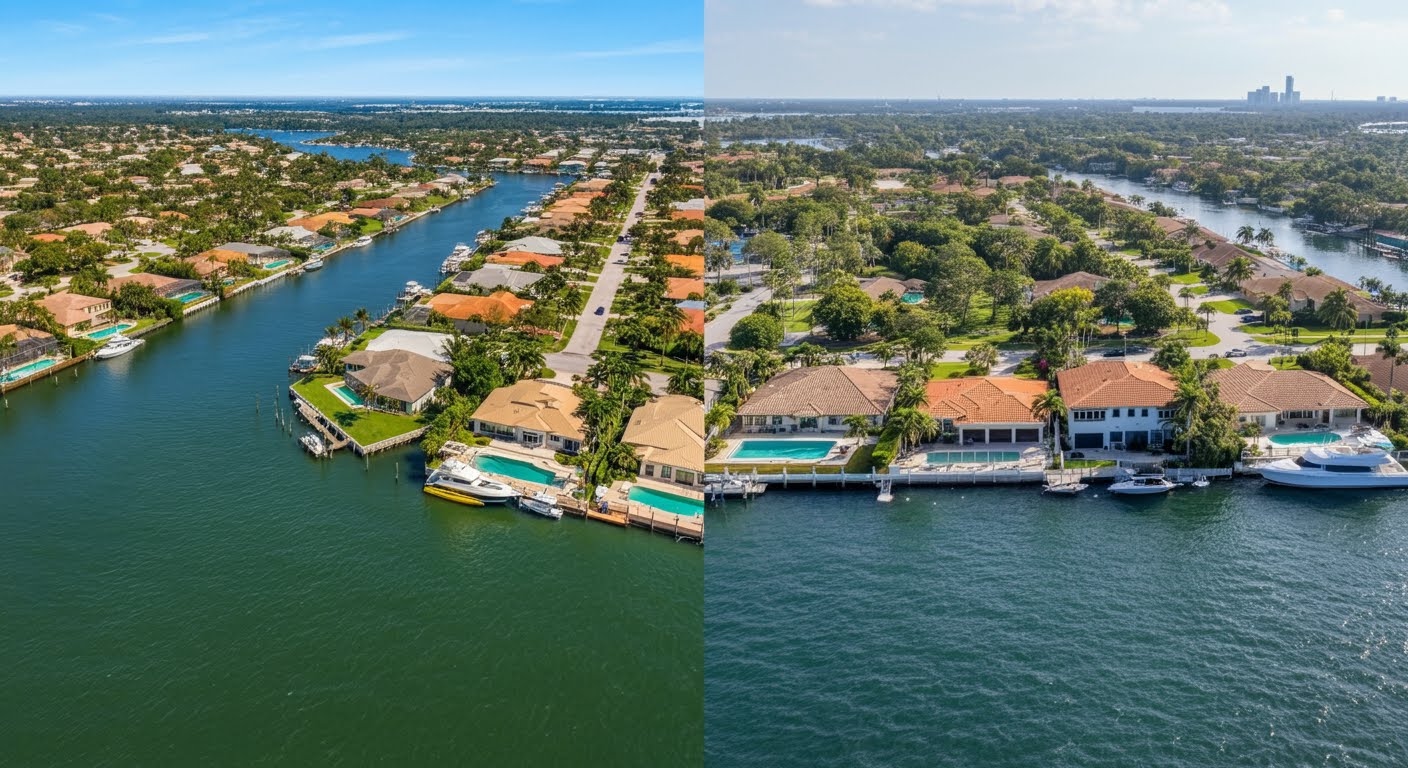
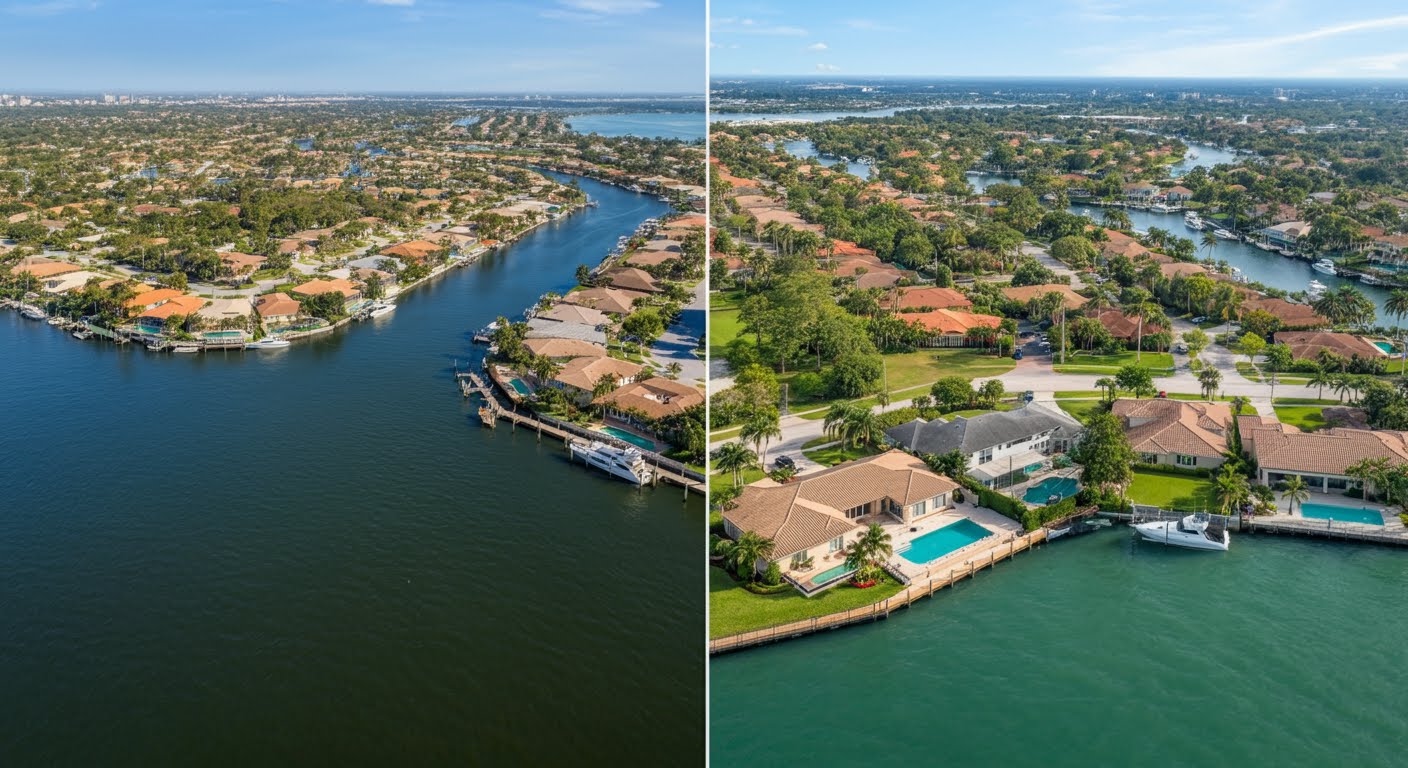
If you're looking at a condo in Southwest Florida in 2026 — especially something older, coastal, and three stories or higher — you're buying into a very different legal and financial environment than the one that existed before the Surfside collapse in 2021. The rules changed. The deadlines came and went. And the buildings that didn't get ahead of the new requirements are now facing the consequences, which sometimes get handed to whoever signs the next closing package.
This post walks through what Florida's Structural Integrity Reserve Study (SIRS) rules actually require, how a finding can turn into a special assessment you inherit, what to read in the financial disclosures, and where a lender's condo questionnaire can quietly kill your deal. If you're buying a condo in Naples, downtown Fort Myers, Fort Myers Beach, or Marco Island this year, this is the framework I'd want you working from before you write an offer.
What SIRS Actually Requires
The Structural Integrity Reserve Study is a Florida statutory requirement created in the wake of the 2021 Champlain Towers South collapse. It sits alongside the older milestone inspection requirement, but the two are different tools. The milestone inspection is a visual and engineering assessment of the building's structural condition. The SIRS is a financial planning document that says: for the major structural and safety components of the building, how much life do they have left, what will they cost to replace, and how much money should the association be setting aside each year to fund that work.
SIRS applies to residential condominium and cooperative buildings that are three stories or higher. The initial studies were required to be completed by December 31, 2024, and they must be updated at least every ten years thereafter. The study must be performed by qualified professionals and must cover, at minimum, the roof, load-bearing walls and primary structural members, floor, foundation, fireproofing and fire protection systems, plumbing, electrical, waterproofing and exterior painting, windows and exterior doors, and any other item with a deferred maintenance expense or replacement cost above the statutory threshold.
The bigger change is what happened to the funding waiver. Before 2024, associations could vote each year to waive fully funding their reserves. That's how many older buildings — including a lot of coastal SWFL condos built in the 1970s and 1980s — kept monthly dues artificially low for decades. As of the end of 2024, associations subject to SIRS can no longer waive reserves for the components covered by the study. They have to fund them.
That single change is the reason you're seeing dues increases and special assessments hit older condo buildings across Florida right now. The bill for 30 or 40 years of underfunded reserves is coming due, and the law no longer allows the association to keep kicking it.
How a SIRS Finding Becomes Your Problem
Here's the mechanical path from a reserve study to a bill you pay. The SIRS engineer examines the building and produces a report that estimates remaining useful life and replacement cost for each covered component. Say the roof has five years of useful life left and will cost $1.8 million to replace. The study calculates what the association should have on hand today and what it needs to collect between now and replacement to be fully funded.
If reserves are $400,000 short of where they need to be, the association board has to close that gap. They generally have three tools: raise monthly assessments, levy a one-time special assessment, or borrow. Most associations use some combination. A $400,000 gap spread across 80 units is $5,000 per unit as a special assessment, or roughly $80 per month per unit if amortized over five years — plus whatever the ongoing reserve contribution needs to be.
When you buy a unit, you generally become responsible for special assessments levied after your closing date. Assessments already levied before closing are typically the seller's obligation, but this depends on how the purchase contract allocates them and on the association's own rules. It's an area where the specific language of your contract and the estoppel letter matters a great deal.
The trap: an assessment can be discussed, planned, and voted on at a board meeting the week after you close, and if it wasn't formally levied before closing, it's yours. This is why reviewing recent board meeting minutes — not just the current financials — is essential. If the board has been talking about a roof replacement for six months and the SIRS confirms it's needed, you can reasonably assume an assessment is coming even if nothing is on paper yet.
Reading the Financial Disclosures
Florida law requires condo sellers to provide buyers with a package of association documents — governing documents, current financials, budget, reserves schedule, and recent meeting minutes. You typically have a right to cancel within a set number of days after receiving them. Use that time.
Here's what to look for:
- Current reserve balance vs. SIRS-recommended funding. The SIRS report will show what fully funded looks like. Compare it to the actual balance sheet. A gap of 20% or 30% is manageable and common. A gap of 60% or more in a building with aging components is a signal that significant assessments are coming.
- Recent special assessments. Look back three to five years. One assessment for a specific project is normal. A pattern of repeated assessments suggests either a building with a lot of deferred maintenance or a board that runs a bare-bones budget.
- Monthly assessment trend. Have dues gone up 5% per year, or 25% per year? Big recent jumps often mean the association is trying to catch up after years of underfunding.
- Deferred maintenance list. The SIRS and the milestone inspection may identify items that need attention. Check whether the association has scheduled and funded those repairs or is still figuring it out.
- Board meeting minutes for the last 12 months. This is where you find out what the association is actually worried about — insurance renewals, litigation, roof bids, elevator modernization, concrete restoration. The minutes are the honest document.
- Insurance status. Confirm the association carries current property, wind, and flood coverage, and check the deductibles. Wind deductibles in coastal SWFL are often 3% to 5% of the insured value, which on a mid-rise can be a very large number if a storm hits.
Lender Condo Questionnaires — Where Deals Quietly Die
If you're financing the purchase, your lender will send the association a condo questionnaire before approving the loan. Fannie Mae and Freddie Mac maintain lists of "non-warrantable" conditions that make a project ineligible for conventional financing. Since Surfside, that list has gotten stricter, and the questionnaire itself has gotten longer.
Common conditions that cause a project to become non-warrantable:
- Significant deferred maintenance identified by the SIRS or milestone inspection that has not been remediated or funded
- Reserves funded at less than 10% of the annual budget (with some exceptions)
- Pending or active litigation involving the association, particularly construction-defect or structural claims
- Special assessments that are current or upcoming and not fully funded
- More than a set percentage of units delinquent on assessments (commonly 15%)
- Insurance coverage below required thresholds
When a project is flagged as non-warrantable, conventional financing generally goes away. You may still be able to buy the unit using a portfolio loan from a local or regional bank, but those loans usually require larger down payments (often 25% to 30%), come with higher rates, and are less flexible on terms. Cash buyers can still transact freely, which is one reason non-warrantable buildings often trend toward cash sales and depressed pricing.
Ask your lender early — before you're deep into due diligence — whether they've reviewed the specific building's questionnaire recently, or whether they'll need a new one. A building that was warrantable eighteen months ago may not be today, and vice versa.
The Southwest Florida Picture — Where This Bites Hardest
Southwest Florida has a large stock of older mid-rise and high-rise condos that fall squarely inside SIRS. Fort Myers Beach and Estero Island, hit hard by Hurricane Ian in 2022, are still working through a combination of storm damage, insurance settlements, milestone inspections, and now SIRS-driven reserve requirements. Some buildings there have been through multiple rounds of assessments already. Others are still in the middle of structural repairs.
Older beachfront and bayfront buildings in Naples — particularly along Gulf Shore Boulevard and the older Park Shore towers — are seeing meaningful dues increases and, in some cases, seven-figure special assessments as reserve gaps close. Downtown Fort Myers condos in older converted buildings have their own version of the same story, sometimes complicated by mixed-use and commercial components. On Marco Island, coastal exposure and building age combine to make insurance and reserve pressure especially visible in the mid-rise stock along the beach and the Marco River.
Newer construction, particularly buildings completed after 2010 and buildings with proactive boards that funded reserves voluntarily, is generally in much better shape. So are lower-density condo and villa communities under three stories, which are not subject to SIRS at all. The stress is concentrated in a specific slice of the market — older, taller, coastal — and it's showing up in prices. Some of those buildings are trading at meaningful discounts to their pre-2022 levels, which can represent real value for a buyer who understands what they're buying and can absorb the assessments.
A Buyer Due-Diligence Checklist for SWFL Condos in 2026
Here's the sequence I'd want a buyer working through, roughly in order:
- Confirm whether the building is subject to SIRS (three stories or higher, residential condo or co-op) and whether the initial study has been completed and delivered.
- Request the SIRS report itself, the most recent milestone inspection if applicable, and the current reserve schedule.
- Read the last 12 months of board meeting minutes. Note any discussion of upcoming projects, assessments, insurance issues, or litigation.
- Look at the pattern of assessments and dues increases over the last five years.
- Ask specifically: are there any special assessments currently levied, contemplated, or under discussion?
- Get the master insurance declarations page and check wind and flood coverage plus deductibles.
- Have your lender confirm current warrantability with Fannie/Freddie criteria before you're past the inspection deadline.
- Have your attorney review the estoppel letter carefully — this is where existing obligations get spelled out and allocated.
- Model what your monthly cost of ownership looks like if dues rise another 15% to 25% over the next three years, because in many older buildings that's plausible.
None of this is meant to talk you out of a condo purchase. Condos in SWFL still make excellent primary residences, seasonal homes, and long-term investments, and the buildings that have already faced their reserve reality are in some ways safer buys than they were three years ago — the surprises have been surfaced. But going in with clear eyes matters more today than it did a decade ago.
If You're Looking at a Specific Building
The honest answer is that every condo purchase in 2026 is really two decisions: whether you like the unit, and whether you're comfortable with the association behind it. Those are separate analyses, and the second one is often where the money is.
If you're weighing a specific building and want a second set of eyes on the disclosures — the SIRS, the reserve schedule, the recent minutes, the insurance situation — I'm happy to walk through it with you before you're locked into anything. You can reach out through the contact page, and if you're also trying to figure out what your current home would net if you sold to move into a condo, the home value tool is a reasonable starting point for the math.
Equal Housing Opportunity. Freddy Baez · Florida Broker BK3274734 · The Baez Collective at eXp Realty. Information here is general guidance, not legal, tax, or investment advice — please consult a qualified professional for your specific situation.