What Gulf Access Actually Means
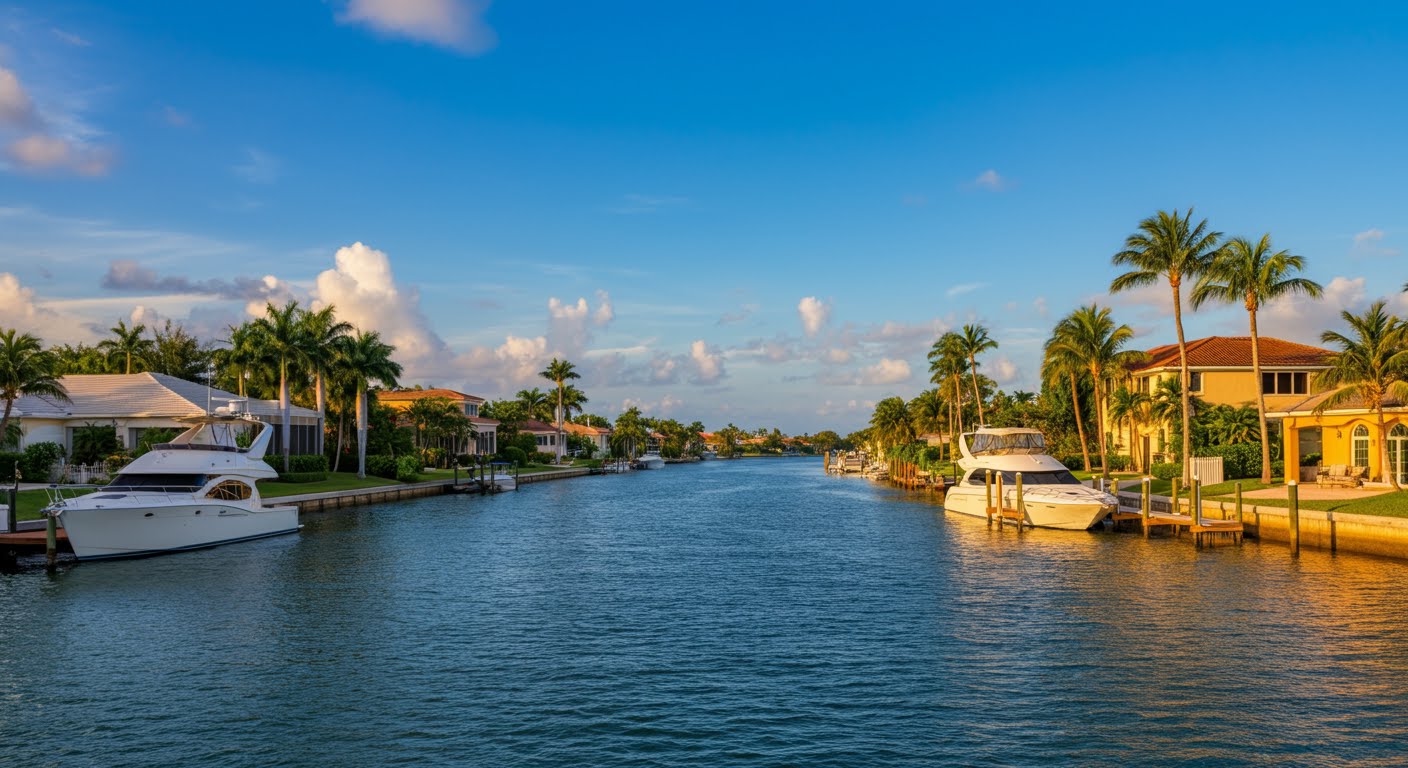
"Gulf access" is one of the most used — and most misunderstood — terms in Southwest Florida real estate. Buyers who see it in a listing description often assume it means they can step onto a boat at their dock and be in the Gulf of Mexico within minutes. That's sometimes true. But sometimes it involves locks, bridge restrictions, lengthy transit times, or limitations that significantly affect how useful the access actually is.
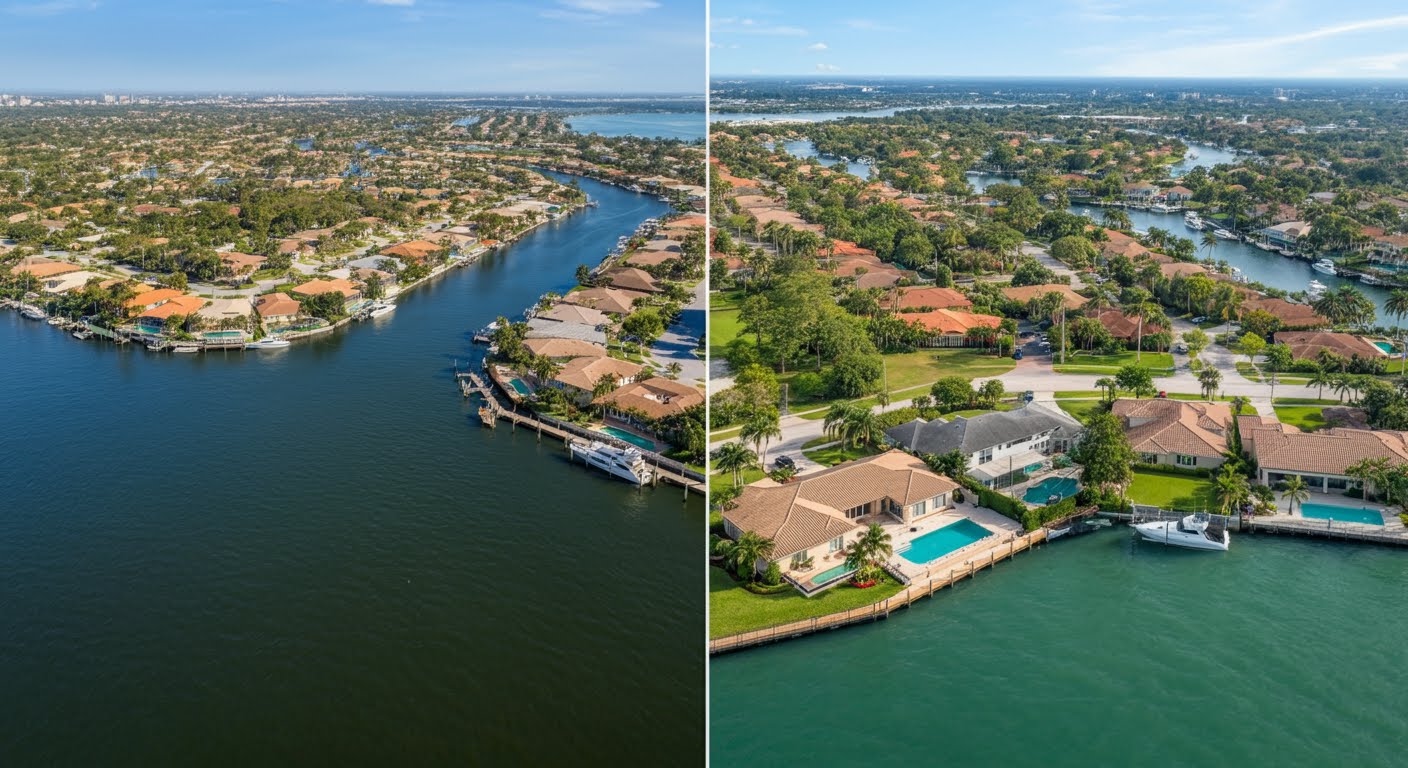
True Gulf access means your property's canal connects through a navigable waterway system to the Gulf of Mexico. In Cape Coral and Fort Myers, the typical route is: canal to Caloosahatchee River to San Carlos Bay to the Gulf. That route can take 20–45 minutes or more by boat depending on your canal location, the lock schedule, and your vessel's speed.
The access is real and valuable — but it's not instantaneous, and the specific characteristics of that access (lock timing, bridge clearances, water depth) matter enormously for practical boat usage. Understanding those specifics before you buy determines whether you're getting the access you think you're getting.
Lock Systems: How They Work and Why They Matter
Cape Coral's canal system includes lock structures that control water levels between the freshwater interior canals and the tidal saltwater canals that connect to the Caloosahatchee. These locks are a critical piece of infrastructure — they're what allows the freshwater management of the interior canals while still providing Gulf access through a connected saltwater system.
The locks operate on scheduled hours — they're not open 24 hours. Typical lock operating hours run from early morning through evening, with the specific schedule maintained by the Cape Coral Utilities Department. Attempting to navigate during off-hours means waiting, which is relevant if you want to leave for early morning fishing or return after evening cruises.
Lock passage takes time — 15–30 minutes from arrival to exit, accounting for waiting for other boats, the lock cycling, and then proceeding. If you're planning frequent Gulf excursions, understanding the lock schedule and factoring it into your boating routines is part of the lifestyle reality.
Properties on canals that have already passed through a lock and are on the tidal saltwater side generally have more direct access without the lock delay — and this is reflected in pricing. A home on a saltwater tidal canal that doesn't require a lock to reach the Caloosahatchee is worth a premium over a home that requires a lock passage.
Bridge Clearances: The Height Restriction Most Buyers Miss
Bridge clearances are one of the most practically important and least discussed factors in Gulf-access canal home purchases. Many Cape Coral canals have bridges crossing them — road bridges for cross-canal traffic. These bridges have fixed vertical clearances that limit the height of vessels that can pass underneath.
Common clearances on Cape Coral canals range from 9 feet to 14 feet at typical water levels. If you own a boat with a cabin top, fly bridge, or outriggers that push above those clearances, you cannot navigate certain canal routes — regardless of what the listing's "Gulf access" claim suggests.
The practical implications: if you plan to use a vessel with significant vertical profile (sport fishing boat, center console with t-top, cabin cruiser), verify bridge clearances on the specific canal before purchasing. This is not something to leave to assumption. Ask for the specific bridge clearance measurements on any canal you're seriously considering, then compare to your current or planned vessel.
How Gulf Access Affects Value: A Realistic Look
Gulf-access properties command real premiums in the SWFL market. The premium is driven by scarcity, demand, and lifestyle utility — and it has proven durable through multiple market cycles. Even after the post-Ian price correction, Gulf-access waterfront properties held their relative premium over freshwater and dry-lot comparables.
The premium varies based on access quality:
Direct tidal access, no lock required: Maximum premium, often 40–55% over dry-lot comparables. These properties connect directly to tidal saltwater without requiring lock passage, offering the most practical boating access.
Lock-required Gulf access: Meaningful premium, typically 25–40% over dry lots. The lock system adds time and operational considerations but the access is real and functional.
Gulf access with significant bridge restrictions: Moderate premium, 15–25% over dry lots, reflecting that large vessel usage is limited. Appropriate for kayaks, small center consoles, and similar low-profile vessels.
These premiums are not guaranteed investment returns. They reflect current market demand for the boating lifestyle. A buyer who doesn't actually use a boat can pay a Gulf-access premium but will only realize that value upon sale — and only if the future buyer values boating access equally. Don't overpay for access you won't use.
Ongoing Costs of Gulf-Access Waterfront Ownership
Gulf-access ownership comes with ongoing costs that freshwater and dry-lot properties don't have, and these need to be factored into your carrying cost analysis.
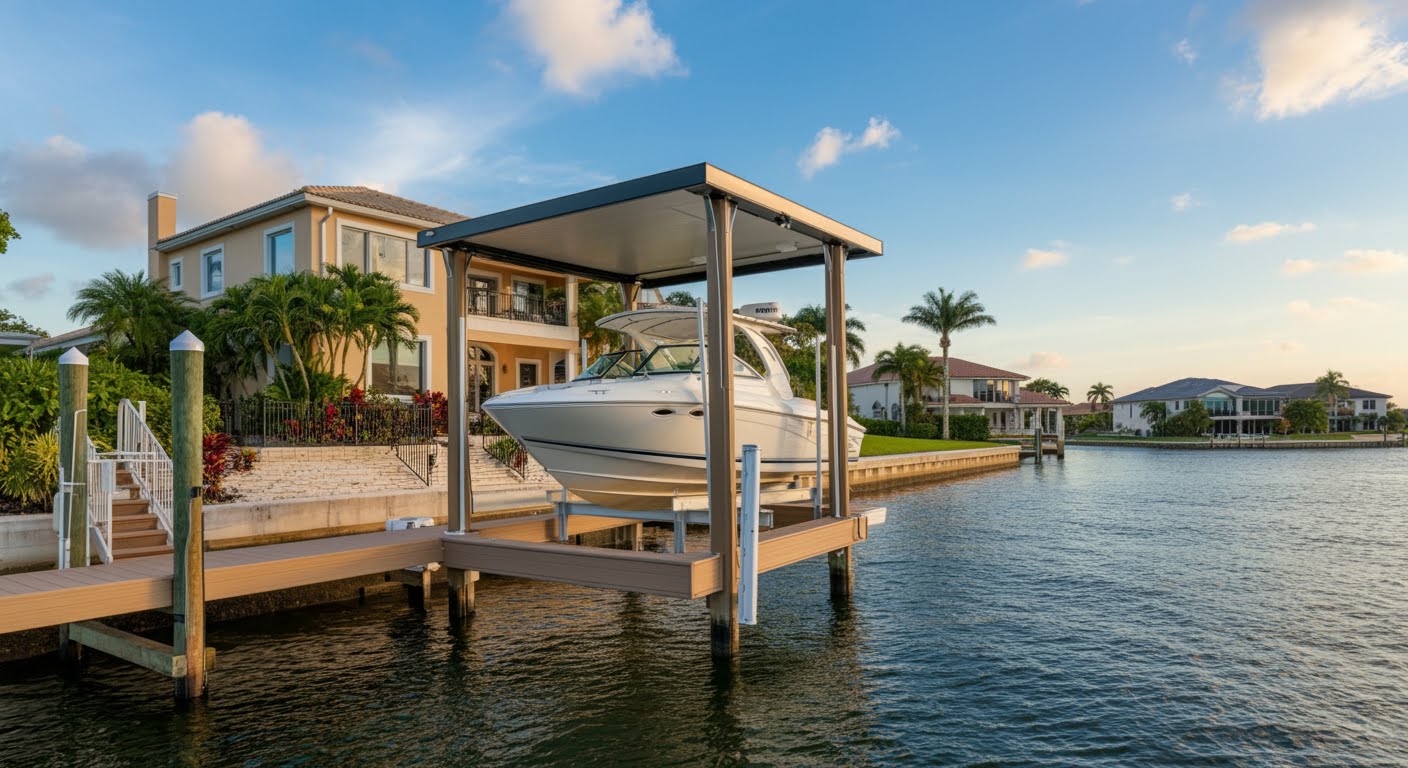
Dock and lift maintenance: If you have a dock and boat lift, annual maintenance costs run $500–$2,000+ depending on condition and usage. Boat lift service, dock board replacement, hardware maintenance, and fenders are recurring expenses.
Saltwater corrosion: The saltwater environment is aggressive on mechanical equipment, electronics, and structural components. Boats require more maintenance in saltwater than freshwater. The home's metal hardware, fixtures, and any steel components also face elevated corrosion exposure.
Seawall maintenance: As discussed throughout Cape Coral waterfront guides — seawall maintenance is an ongoing expense, and the risk of a seawall replacement ($40,000–$100,000+) is a real one for any canal property. Annual inspection of your seawall condition is prudent homeownership.
Insurance premium differential: Gulf-access properties in tidal/saltwater zones typically carry higher insurance premiums than comparable freshwater canal or dry-lot properties due to flood zone exposure and saltwater structure risk.
What to Verify Before Buying Gulf-Access Property
A practical checklist for any Gulf-access canal home purchase in SWFL:
Verify the actual water route to the Gulf on a map — confirm it's navigable and understand the specific path. Check the lock schedule for your specific canal system. Measure all bridge clearances on your route relative to your intended vessel. Confirm water depth at your dock location — shallow canals can strand larger vessels at low tide. Order an elevation certificate and understand your flood zone designation. Get a professional seawall inspection. Obtain insurance quotes for the specific address before finalizing your offer. Check the deed for any riparian rights restrictions or easements affecting dock usage.
Explore More
Ready to learn more about Cape Coral and Southwest Florida? Check out these resources: