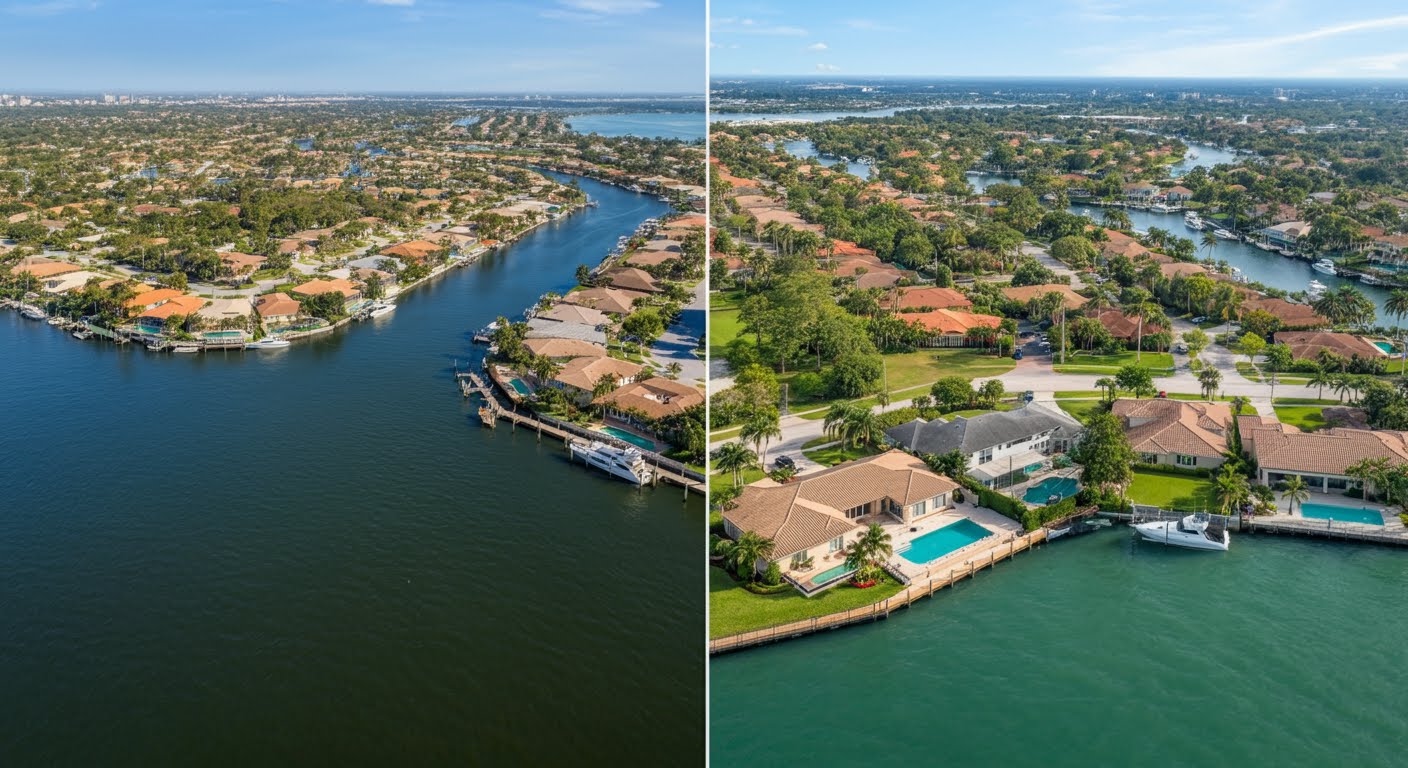
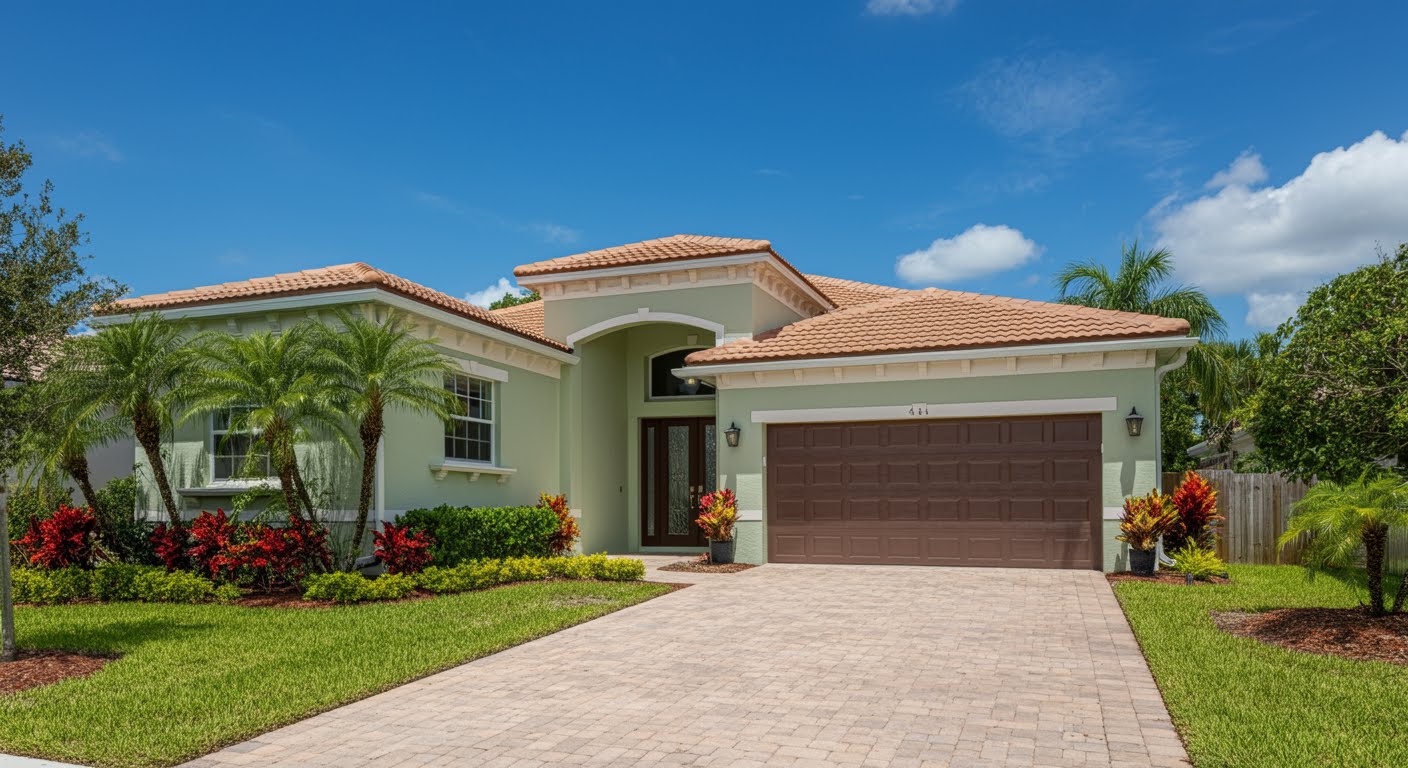
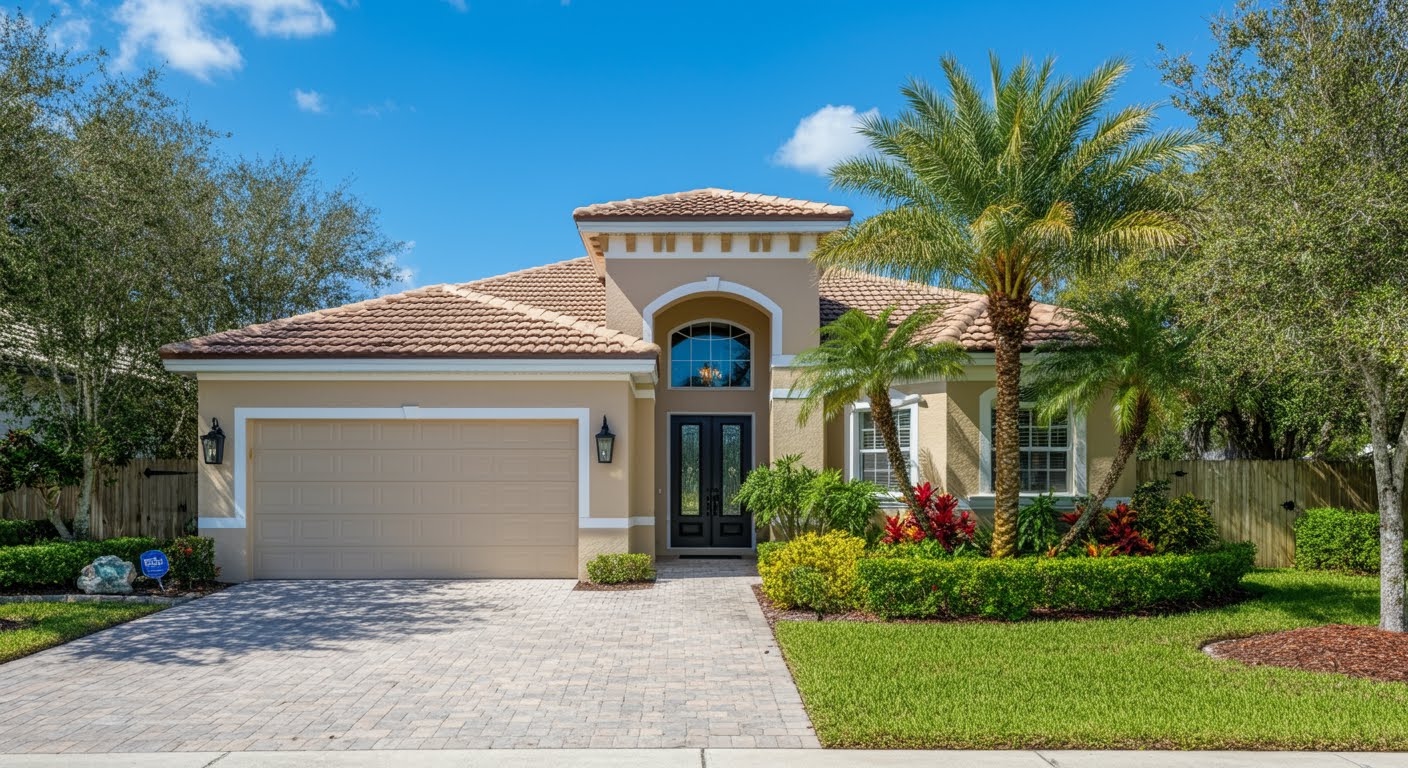
You're planning to list in October or November, targeting a closing sometime in the first quarter of 2027. That's a smart window in Southwest Florida — it lines up with the buyers who fly in for December showings and write offers in January and February. But the pricing decision you make in the first week of that listing period will shape everything that follows.
The seasonal market is real, and it does give sellers a genuine opportunity. It also punishes overpricing more than people expect, because the buyer pool you're marketing to has a compressed shopping window and a lot of comparison options. Here's how I'd think through pricing a listing that's going live in the next six to eight weeks.
The Honest Frame — Season Rewards Sharp Pricing, Not Aspirational Pricing
There's a persistent belief that snowbird season is a seller's market where you can push price because demand is high. That's half true. Demand is higher in January through March than in July. But supply also climbs — a lot of owners list for the same reason you're listing, and buyers know it. Instead of one buyer looking at three homes in your price band, you may have one buyer looking at eleven.
What season actually rewards is a home that looks like a clear value on the first day it hits the market. What season punishes is a home that sits for three weeks at a price the buyers have already dismissed. By the time you reduce, the fresh-listing attention window has closed, and you're competing as a stale listing in a market where new inventory arrives every Friday.
The 'Test the High Side' Strategy and When It Backfires
Testing the high side means listing 3% to 7% above what the comps support, on the theory that you can always reduce but you can't raise. In a market with almost no inventory and desperate buyers — think 2021 — it works fine, because even overpriced homes get offers.
In today's Southwest Florida market, it works in narrow circumstances and backfires in most others. It can work when:
- Your home is genuinely unusual — a rare floor plan, a lot configuration that doesn't repeat in the neighborhood, a view that has no real comp
- You have time on your side and no carrying-cost pressure — you can afford to sit for 90-plus days
- The recent comps are thin or clearly stale, and there's a plausible argument that market value has moved
It backfires when:
- Your home is a repeat floor plan in a community with active competition — buyers will simply pick the better-priced twin down the street
- You need to close by a specific date — every week at the wrong price is a week you're not getting showings that convert
- The list price puts you above a search-filter threshold (more on that below) — you've eliminated a chunk of your buyer pool before anyone even sees the photos
The version I've seen work well is a modest test — 2% to 3% above the strongest comp, with a written plan to reduce on day 21 if you haven't received an offer or a strong second showing. The version that hurts sellers is 8% to 10% above comps with no plan and no timeline.
Comp Selection When the Comps Are Still Recalibrating
Comp selection in Southwest Florida is genuinely harder than in most markets right now, and it will remain so for another year or two. Hurricane Ian in September 2022 disrupted a large chunk of Lee County housing stock. Some homes were rebuilt, some were remediated, some were sold as-is at a discount, and some were elevated or upgraded well beyond their prior condition. That means two homes on the same street with the same square footage can have very different market values based on post-Ian history alone.
When you pull comps for a listing going live this fall, I'd apply a tighter filter than you might have used pre-2022:
- Closed within the last 90 days — six-month comps in this market are already stale, especially for pricing into season
- Same flood zone and same elevation situation — an AE-zone canal home at base flood elevation is not comparable to the same floor plan elevated four feet above BFE
- Verified post-Ian condition — was the home affected? Was it remediated? Is there a new roof, new drywall to a specific height, new mechanicals? These matter to appraisers and to informed buyers
- Insurance-carrier profile — a home that's insurable in the standard market prices differently than one that's only insurable through Citizens or a surplus lines carrier
The active-listing set matters as much as the closed set. Buyers shop against what's currently available, not what closed in July. If there are seven active listings in your community and yours needs to be in the top three on price-to-condition ratio to attract showings, that's your target — not the top comp from last spring.
List-Price Psychology at $499K, $749K, and $999K
Buyers search in ranges. When someone tells their agent "we're looking up to $500,000," the MLS search runs at $500,000 as the ceiling. A home listed at $505,000 does not show up in that search. A home listed at $499,000 does.
This is not a marketing trick — it's a search-behavior reality that shapes how many eyeballs your listing gets in the first week, which is the week that matters most. The thresholds that produce the biggest visibility cliffs in Southwest Florida right now are roughly:
- $399,000 and $499,000 — the entry-level and mid-market Cape Coral and Fort Myers buyer pool, including many first-time and relocating buyers with firm budgets
- $749,000 and $799,000 — the step where financed buyers versus cash buyers shifts noticeably, and where jumbo loan considerations start to matter
- $999,000 — the psychological ceiling before a home reads as "a million-plus home," which is a different buyer, a different comp set, and often a different marketing approach
- $1,499,000 and $1,999,000 — Naples and waterfront-specific thresholds where the buyer pool narrows significantly at each step
If your defensible market value is $512,000, listing at $499,000 may actually produce a higher sale price by pulling in the sub-$500K search pool and creating competitive pressure. Listing at $525,000 pushes you into the $500K-plus pool where you're competing against homes with more square footage or better views. This is worth modeling before you set the number.
Days-on-Market Patterns by Week of the Season
The rhythm of a Southwest Florida season is fairly consistent year to year, and it shapes how quickly you should expect showings to convert:
- Mid-October through mid-November: A slower ramp than sellers expect. Early snowbirds are arriving, but most are getting settled, not house-hunting seriously. Showings are steady but light. Well-priced homes get offers, but you may wait two to three weeks for the first strong one.
- Thanksgiving through mid-December: A noticeable pickup. Buyers who came down for the holidays start showing seriously. Offers written in early December often close in January.
- January through mid-February: Peak. This is the highest-traffic window of the year. Homes priced correctly frequently receive multiple showings per week and offers within seven to fourteen days of listing.
- Mid-February through March: Still strong but with a shifting buyer profile — more decision-ready seasonal buyers who are here specifically to close before they head north
- April: The window is closing. Buyers still shop, but urgency drops as the seasonal population thins
The implication for a fall listing: if you go live October 15 at an aggressive-but-defensible price, you may sit for three weeks with modest activity. That does not mean the price is wrong. It may just mean you're marketing ahead of your buyer pool arriving. The mistake is reducing too early because October felt slow — the January buyer who would have paid your original price never sees the home at its original number.
When to Reduce, By How Much, and How Often
Reductions are a tool, not a panic response. The pattern that tends to work in this market:
- Day 21 checkpoint: If you have fewer than six showings and no second showings, something is off. That's usually price, but sometimes it's photos, description, or a specific objection surfacing in showing feedback. Fix what's fixable before you cut price.
- First reduction, if warranted: Meaningful — typically 3% to 5%. A $10,000 reduction on a $700,000 home is invisible to the market. A $30,000 reduction on the same home crosses a search threshold and re-triggers the "new to you" alerts for buyers who saved the search.
- Timing between reductions: No more often than every 14 to 21 days. Reducing weekly signals distress and invites lowball offers rather than fair ones.
- Second reduction, if needed: Larger than the first, and paired with a specific plan — a broker open house, refreshed photos, a staging change, or an assessment of whether the home should come off and relist in January
The relist question is real. In some cases, pulling a stale listing in early December and going back active with fresh photos and a sharp price in early January produces a better outcome than continuing to reduce a listing that already reads as "been sitting." That's a conversation to have with your agent based on your specific situation and days-on-market to that point.
The SWFL Layer — Neighborhood-Level Reality
Pricing in Southwest Florida is not one market. In Cape Coral, gulf-access canal homes and freshwater canal homes have moved on different trajectories since Ian, and buyer sensitivity to seawall age, roof age, and insurance quotes has increased sharply. A 2005-built home with an original seawall and a 2018 roof will attract very different offers than a similar home with a rebuilt seawall and a 2023 roof, even at the same asking price.
In Fort Myers, the split between inland communities and coastal or riverfront areas is even more pronounced. Inland gated communities with strong HOA financials and no post-Ian assessment history are pricing closer to pre-storm patterns. Coastal areas — particularly older Fort Myers Beach and San Carlos properties — are pricing based on rebuild economics and elevation, which is a different conversation entirely.
In Naples and Collier County, the luxury and condo markets have their own dynamics. Condo pricing in particular has been reshaped by the milestone inspection requirements and reserve funding changes from Florida's 2022 condo law reforms — buildings with clean inspection reports and fully funded reserves are commanding meaningful premiums over buildings with pending special assessments. If you're selling a condo, your pricing conversation has to start with your building's structural inspection and reserve study status, not just your unit's finishes.
The snowbird buyer pool for these markets overlaps but isn't identical. Cape Coral tends to draw Midwestern buyers who prioritize boating and value. Naples tends to draw East Coast and international buyers who prioritize walkability, dining, and beach proximity. Pricing that lands right in one submarket may miss in another.
Building a Pricing Plan Before You List
If you're planning to list in the next six to eight weeks, the work to do now is not choosing a number — it's building the framework that will help you choose the right number and adjust intelligently if the first three weeks tell you something you didn't expect.
That framework has four pieces:
- A tight comp set — closed within 90 days, same flood zone, verified condition, matched to your specific submarket
- An active-competition read — what's on the market right now in your community and price band, and where you'd need to sit to be in the top three on value
- A threshold analysis — where the nearest search-filter cliffs are, and what pricing just under one might do for showing volume
- A written reduction plan — checkpoints at day 21 and day 42, with specific triggers and specific dollar amounts
If you'd like a current valuation to start that framework, the home value tool is a reasonable first pass, but the more useful conversation is a walk-through where we look at the comps together and talk through what your specific home does and doesn't offer relative to the competition. If that would be helpful, you can reach me through the contact page and we'll set up a time before your listing window opens.
Equal Housing Opportunity. Freddy Baez · Florida Broker BK3274734 · The Baez Collective at eXp Realty. Information here is general guidance, not legal, tax, or investment advice — please consult a qualified professional for your specific situation.