Septic vs. Sewer in Southwest Florida: Why It Matters More Here
In most U.S. cities, the choice between septic and sewer is simple: city properties have public sewer, rural properties have septic. Southwest Florida is more complicated. The region's rapid development history, large land areas, and environmental regulatory evolution have left a patchwork of utility availability — some dense suburban neighborhoods still have older septic systems, while some rural areas have been connected to central sewer through mandated programs.
Understanding whether a property has septic or sewer — and what that means for costs, assessments, and future obligations — is a meaningful due diligence item that many out-of-state buyers don't think to investigate. This guide covers what you need to know.
How Each System Works: The Basics
Septic systems treat wastewater on-site. Wastewater from the home flows to a septic tank where solids settle and bacteria break down waste, then the liquid effluent flows to a drain field (also called a leach field) where it percolates through the soil. A properly designed and maintained septic system works effectively for decades. Common failure modes include drain field saturation (usually from high water table), broken tanks, root infiltration, and overloading from excessive water usage.
Septic systems require periodic pumping — typically every 3–5 years at a cost of $300–$500 for a standard residential system. They also require the drain field area to be protected from compaction and root damage. In SWFL's high water table environment, septic system performance can be affected by seasonal flooding that temporarily elevates the water table above the drain field.
Public sewer systems connect homes to municipal wastewater treatment infrastructure. Wastewater flows to a central treatment facility. There's no on-site treatment, no tank pumping, and generally lower maintenance responsibility for the homeowner. Monthly sewer utility fees apply — typically $30–$70/month in Lee and Collier Counties depending on usage.
Assessment Costs and Connection Timelines
This is where the most significant cost implications emerge. When a municipality extends central sewer infrastructure to a previously septic area, property owners within the service area are typically required to connect — and often pay a connection assessment that funds the infrastructure extension.
In Cape Coral, the city has been conducting utility expansion programs for decades — extending water, sewer, and irrigation to previously unserviced areas. This is called the Assessment District program. When a property is assessed, the owner faces a lump-sum assessment (typically $15,000–$30,000+ for sewer connection in recent Cape Coral programs) payable in full or financed over time through an annual assessment added to the property tax bill.
Timing matters: if a property you're considering buying is in an area where sewer extension is planned but not yet assessed, the future assessment is a liability that may not be fully reflected in the asking price. Checking whether a property is in an upcoming Cape Coral utility expansion area is worth doing before you make an offer.
Lee County's North Fort Myers area and some parts of unincorporated Lee County also have ongoing utility extension programs with similar assessment structures. Always verify utility status and any pending assessments with the relevant utility authority before purchasing.
Areas Still on Septic: Where to Look
A significant portion of SWFL's residential properties are still on septic systems. The general pattern:
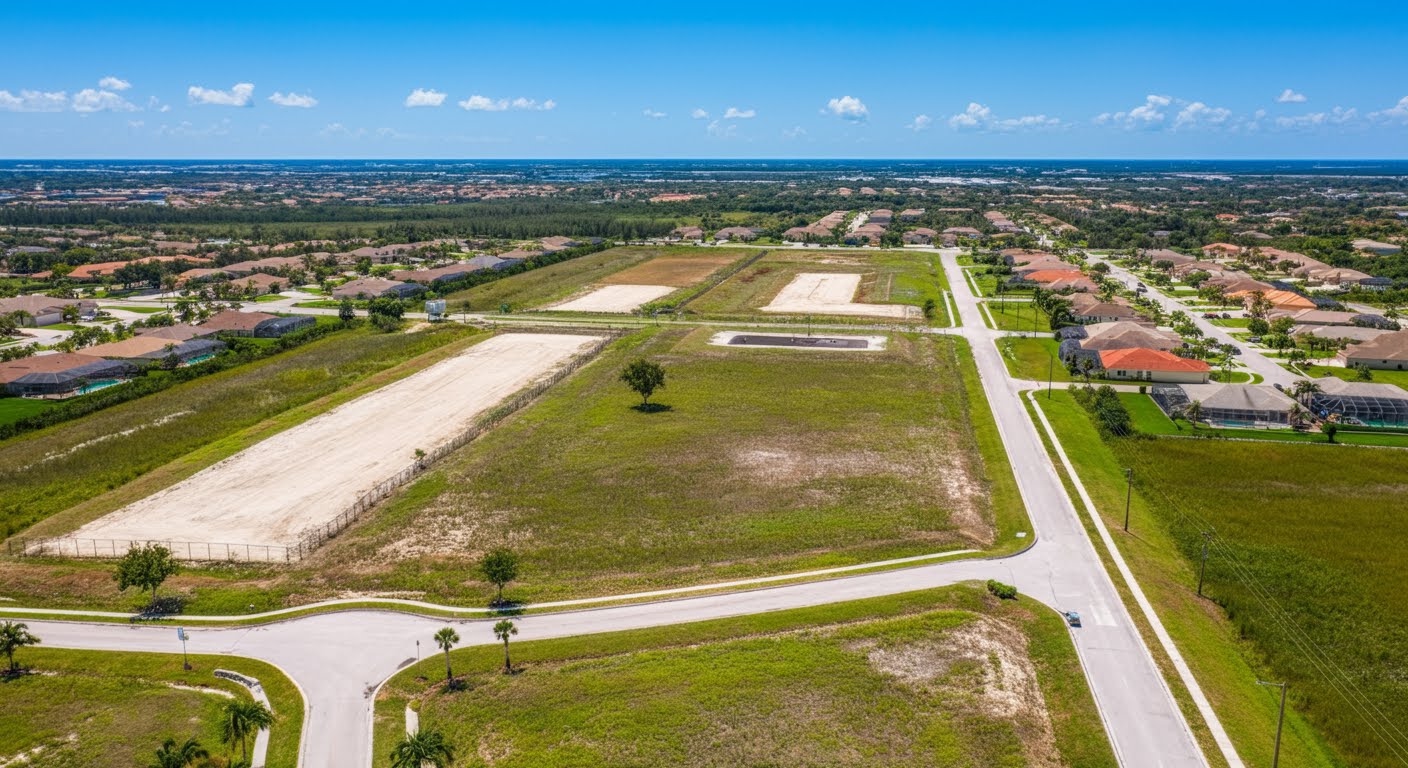
Cape Coral: The city has been systematically extending central utilities, but as of early 2026, some sections of the city — primarily in newer western developments and some older sections of North Cape Coral — remain on well and septic or are in active assessment districts. Properties built in the last few years should be on city utilities; older properties in less-dense areas may still be on private systems.
Golden Gate Estates (Collier County): The large lot rural sections of eastern Collier County are predominantly on well and septic. This is an inherent characteristic of these properties. Central utilities may never reach the more remote Estates areas, or may arrive on a very long timeline.
Charlotte County: Punta Gorda has central utilities; many parts of Port Charlotte and surrounding areas are on septic systems that have been served by older infrastructure.
Unincorporated Lee County: North Fort Myers, Lehigh Acres, and other unincorporated areas have mixed utility availability. Always verify with Lee County Utilities before assuming a property has central sewer.
Impact on Home Value
Connection to central sewer is generally a value-positive feature relative to a comparable home on septic. The premium varies, but the reasons are consistent: no future assessment risk, lower maintenance responsibility, typically higher buyer appeal (many buyers have concerns about septic systems even when functioning properly), and no risk of drain field failure.
In Cape Coral's utility expansion areas, properties that have been connected to city utilities generally trade at a premium over comparable properties still on private systems — the premium reflects both the current benefit and the avoidance of future assessment costs.
The exception: in Golden Gate Estates and similar large-lot rural settings, septic is the norm and is not typically stigmatized. Buyers there expect well and septic systems and price accordingly. It's only in areas where central utilities are available or expected that septic creates a meaningful value discount.
What to Verify Before Buying
Utility status should be confirmed — not assumed — for any property purchase in SWFL. Here's the verification process:
For Cape Coral properties: contact Cape Coral Utilities and provide the property address. They can confirm utility connection status and whether the property is within a pending assessment district. This takes a phone call and is free.
For unincorporated Lee County: Lee County Utilities (or the appropriate special district) can confirm service area and connection status.
For properties with septic systems: request a septic inspection from a licensed septic contractor as part of your due diligence. A septic inspection includes pumping (if not recently done), inspection of the tank and visible drain field components, and assessment of system condition. Cost: $300–$500. A septic system in poor condition or near end of life represents a future repair or replacement cost of $8,000–$20,000.
Explore More
Ready to learn more about Southwest Florida? Check out these resources: