What a Wind Mitigation Inspection Is and Why It Matters
A wind mitigation inspection is a structural assessment of a home's ability to resist hurricane-force wind damage. In Florida, the results of this inspection are used by property insurance carriers to calculate discounts on the wind portion of your premium. The discounts can be substantial — often $1,000–$3,500 per year — which means a $150 inspection often pays for itself within the first few weeks of coverage.
Florida law (Section 627.0629, Florida Statutes) requires insurers to offer actuarially sound discounts for wind-resistant construction features verified by a certified inspector. The inspection results are documented on a standard form — OIR-B1-1802, the Uniform Mitigation Verification Inspection Form — that you submit to your insurance carrier. Every carrier uses this same form, so one inspection can be submitted to multiple carriers when you're shopping for coverage.
The inspection does not fail or pass. It documents what features exist. Better features earn larger discounts. Features that don't meet current standards earn no discount for that category but don't disqualify you from coverage. The goal is an accurate picture of your home's wind resistance so the insurer can price the risk correctly.
What the Inspector Checks: The Six Categories
The wind mitigation inspection evaluates six categories of construction features, each of which contributes to the overall premium discount calculation:
1. Building Code: When was the home built, and which building code version applied? Homes built to the Florida Building Code (FBC) version 2001 or later generally receive credits for this category. Older construction is evaluated on other factors.
2. Roof Covering: The material and installation method of your roof covering. FBC-compliant shingles, metal roofing, and tile installed to current code earn credits. Roof age matters here — an older roof that hasn't been replaced may not qualify even if it's still functional.
3. Roof Deck Attachment: How the roof decking (plywood or OSB) is fastened to the roof framing. The inspector looks at nail size and spacing. 8d nails at 6-inch spacing provides significantly better wind resistance than 6d nails at 12-inch spacing, and the credit difference reflects this. The inspector typically accesses the attic to measure actual nails.
4. Roof-to-Wall Connection: How roof trusses connect to the wall framing. This is often the weakest point in a roof system during a hurricane. Four connection types are recognized: toe-nails (weakest), clips, single wraps, and double wraps (strongest). Double-wrap connections earn the largest credit in this category. This is a major determinant of the discount magnitude.
5. Roof Geometry: The shape of the roof. Hip roofs (four sloping sides) perform better in wind events than gable roofs (two sides with triangular gable ends). A fully hip roof earns a credit that gable or flat roofs do not.
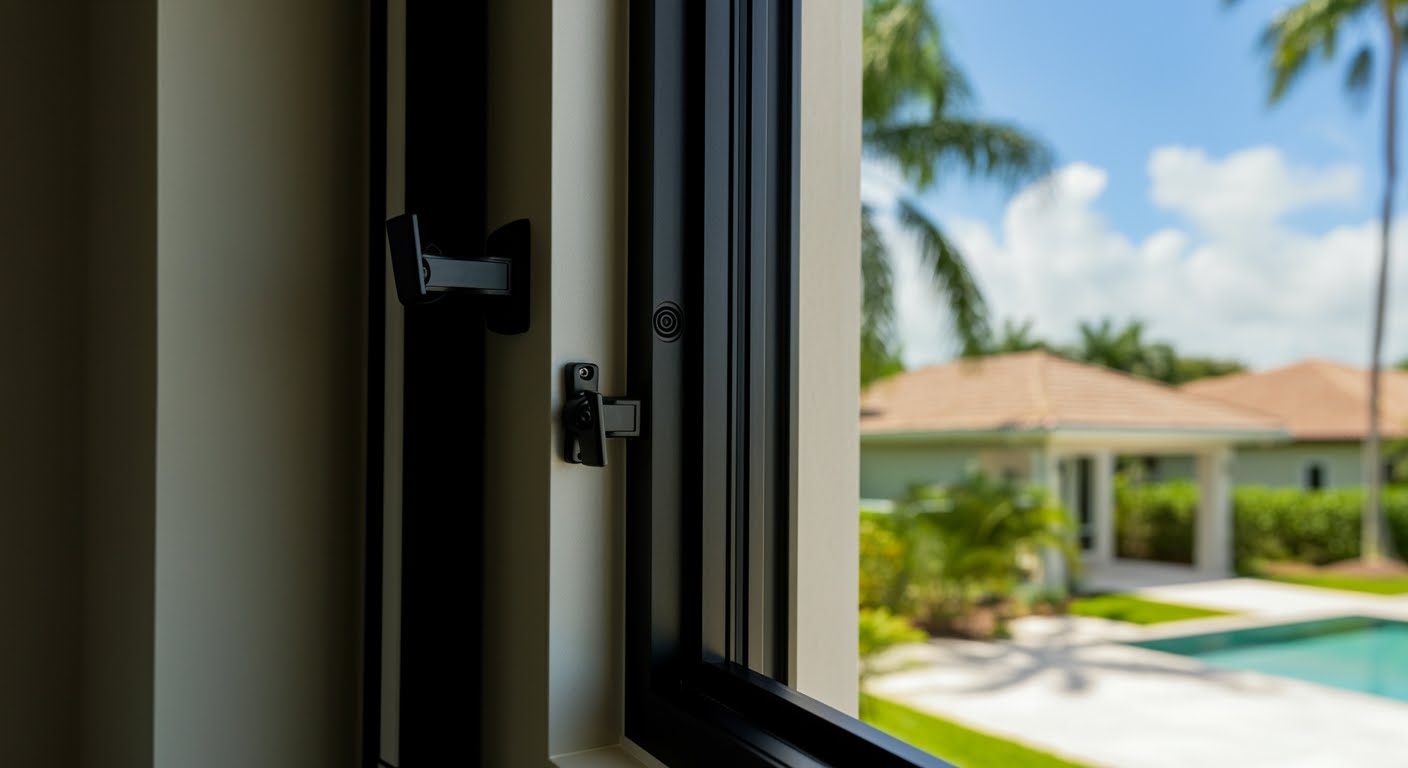
6. Opening Protection: This is typically the most significant category for premium discounts. How are windows, doors, and skylights protected against wind-borne debris? Options include: no protection (no credit), basic (non-rated shutters), hurricane shutters meeting Miami-Dade or FBC standards, or impact-resistant glass (windows/doors). Impact-resistant openings throughout the home earn the largest discount — often 30–45% of the base wind premium — because they represent the highest level of protection.
Discount Amounts: What to Realistically Expect
The specific discount amounts vary by carrier and by the specific features documented. The state mandates that discounts be offered; it does not mandate specific discount percentages. Different carriers calculate the credits differently, which is one reason shopping multiple carriers with the same wind mitigation form makes sense.
As a general framework:
A home with full FBC compliance, hip roof, 8d nails on 6-inch spacing, double-wrap connections, and full impact window/door protection can expect total wind mitigation credits that reduce the wind premium by 40–65% compared to an unmitigated structure. On a $4,000 base wind premium, that's $1,600–$2,600 in annual savings.
A home with partial features — impact windows but gable roof and clip connections, for example — earns partial credits proportional to the features present. Even partial credits are meaningful money.
A home built before 1994 with no upgrades, gable roof, and no opening protection will earn minimal to no credits. This describes many older SWFL homes and explains why insurance premiums on older construction are so much higher than on newer or upgraded homes.
How to Get a Wind Mitigation Inspection: Process and Cost
Wind mitigation inspections are performed by licensed inspectors — typically licensed home inspectors or licensed contractors with specific wind mitigation certification. In SWFL, the inspection typically costs $75–$150 for a standalone wind mitigation inspection. If you're also getting a general home inspection, many inspectors bundle the wind mitigation for an additional $50–$75.
The inspection takes approximately 45–90 minutes. The inspector examines the roof from the exterior (visible components, geometry, covering type), accesses the attic to measure roof deck fastening and roof-to-wall connections, and documents window and door opening protection throughout the home. The completed OIR-B1-1802 form is typically delivered within a few days.
Best timing: get a wind mitigation inspection at the same time as your pre-purchase home inspection. If you're an existing homeowner who has never had one done — or whose previous inspection is more than 5 years old — schedule one. Features don't change unless you renovate, but carrier pricing does. A fresh inspection with your current carrier is worth doing annually at renewal if you've made any upgrades.
Timing Upgrades to Maximize Credits
For homeowners planning renovations, understanding which upgrades generate the most insurance credit helps prioritize spending. The hierarchy generally works as follows:
Impact windows and doors typically offer the best return on investment — the combination of insurance savings, energy savings, and the elimination of the need to install/remove shutters before storms makes this upgrade compelling. A full home impact window upgrade might cost $15,000–$40,000 depending on home size; the annual insurance savings of $1,000–$3,000+ means a payback period of 10–20 years purely from insurance, with additional returns from energy savings and resale value.
Roof replacement to FBC-compliant materials with upgraded fastening (8d nails at 6 inches) and documentation of roof-to-wall connection type is the second most impactful upgrade category. This is often prompted by roof age or insurance non-renewal — using a roof replacement as an opportunity to document the construction features correctly is a simple win.
Hip roof conversion from gable is rare and expensive — not typically done for insurance purposes alone, but worth documenting if your home already has hip geometry.
Explore More
Ready to learn more about homeownership in Southwest Florida? Check out these resources: