🏙️City identity
Orlando's DNA is equal parts innovation and tradition. Founded in 1871 as a cattle and citrus hub, the city's identity shifted forever when a certain mouse arrived in 1971. But reducing Orlando to theme parks misses the bigger picture. This is where Disney's Imagineering teams actually live and work, where Lockheed Martin develops defense systems, where the University of Central Florida churns out more graduates than almost any school in America. The city's geography — built around a chain of lakes including Lake Ivanhoe — shapes daily life as much as any attraction. The Orlando Solar Energy Project isn't just municipal greenwashing; it's part of a broader tech-forward mindset that attracts both startups and established players. Yes, tourism drives a chunk of the economy, but so does healthcare (Orlando Health is massive), aerospace, and an emerging fintech scene. The result? A city where your neighbor might design roller coasters, develop military satellites, or run a food truck at the Orlando International Food & Wine Festival. That blend of creative and technical talent, wrapped around a core of Southern hospitality, defines modern Orlando.
🏡Why people move here
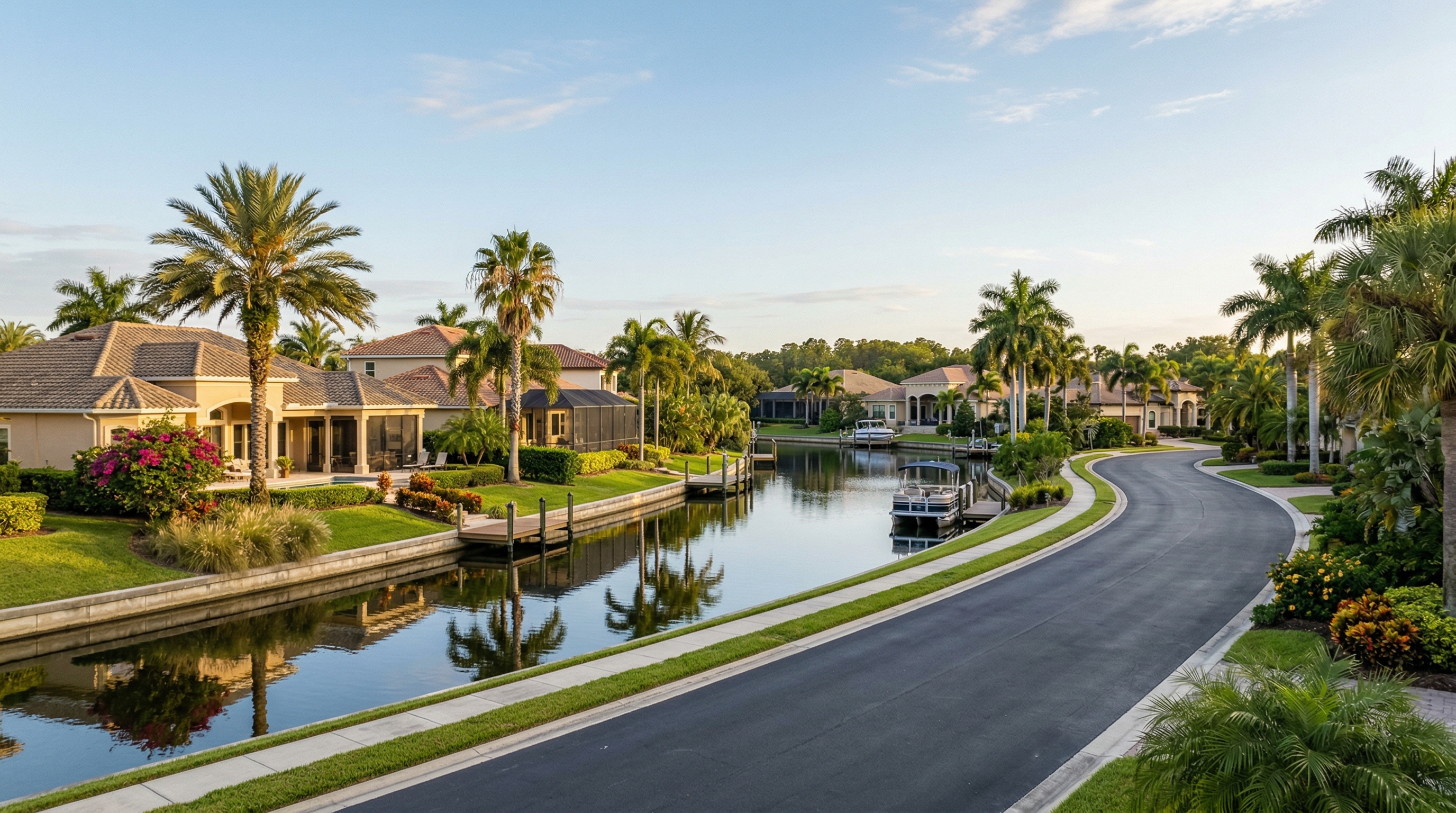
People move to Orlando for the jobs, stay for the lakes. The narrative usually starts with opportunity — whether that's a role at Universal, a transfer to Lockheed Martin's massive campus, or a healthcare position at Orlando Health. The city's economy is genuinely diversified in ways that surprise newcomers expecting nothing but hospitality gigs. But retention? That's about lifestyle. Where else can you live 20 minutes from downtown and still have a boat dock? Where else does "rush hour" mean choosing between I-4 and the 429 toll road, not sitting in true gridlock? Families discover schools like Orlando Science Schools that rival anything in larger metros. Young professionals find a downtown that's shed its sleepy reputation — Cask & Larder isn't pulling crowds with theme park overflow, but with locals who appreciate farm-to-table done right. The math helps too: that tech salary goes further here than in Silicon Valley, that nursing income actually buys a house. Add in year-round outdoor weather (yes, summer is intense, but pools exist for a reason), and you understand why Orlando's population keeps climbing. The theme parks become a perk, not the point.
10Top restaurants

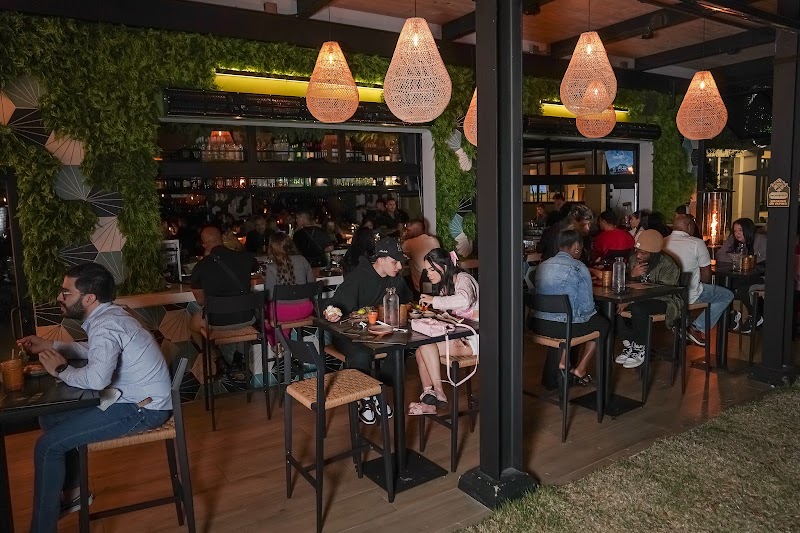
Vida Cocina & Tequila Vida Cocina & Tequila
Cuisine: Mexican Restaurant
People say this Mexican restaurant serves delicious birria tacos, chimichangas, and sushi. They highlight the fresh food, generous portions, and reasonable prices. They also like the fun, lively atmosphere and the attentive, friendly staff.
View on Google Maps
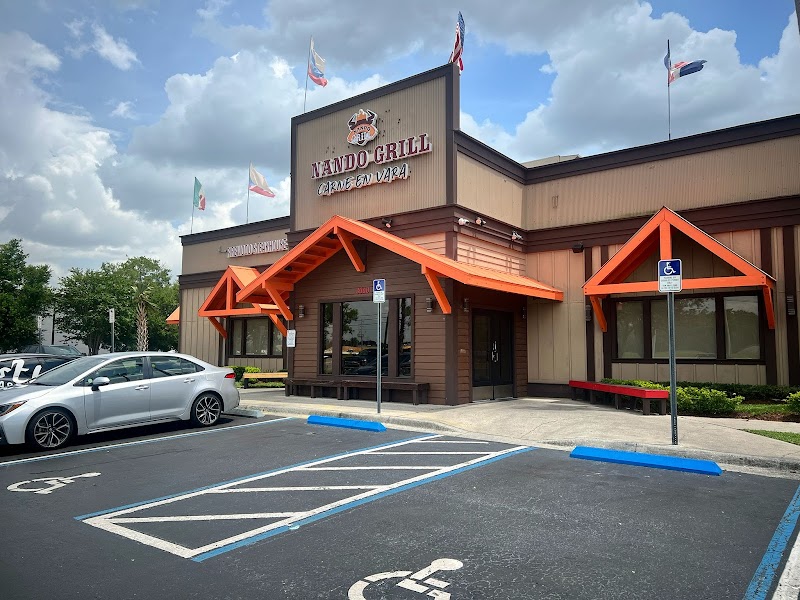
Nando Grill – Carne en Vara & Steakhouse (Sand Lake) Nando Grill Carne En Vara
Cuisine: Steak House
People say this Venezuelan restaurant serves delicious carne en vara, ribs, and chorizo, and offers a variety of other dishes like cachapas, arepas, and tostones. They highlight the generous portions, fresh ingredients, and flavorful, well-cooked food, as well as the fun, lively atmosphere with live music. They also li
View on Google Maps
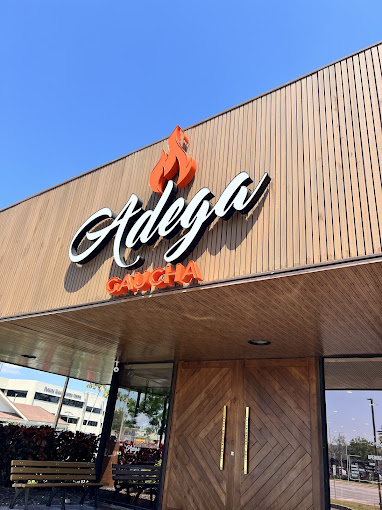
Adega Gaucha Brazilian Steakhouse Adega Gaucha Brazilian Steakhouse
Cuisine: Brazilian Restaurant
People say this Brazilian steakhouse offers a wide variety of perfectly cooked meats, including picanha, filet mignon, and lamb, as well as a delicious salad bar and sides like corn brûlée. They highlight the all-you-can-eat churrasco experience and the excellent value. They also like the attentive and friendly staff,
View on Google Maps
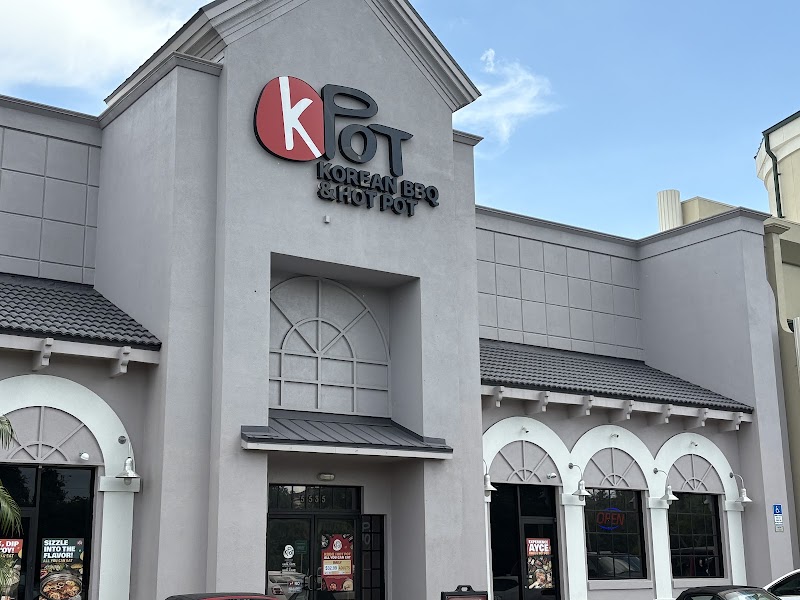
vshernandez KPOT Korean BBQ & Hot Pot - Universal Studios
Cuisine: Korean Barbecue Restaurant
People say this Korean restaurant offers a wide variety of meats, seafood, and vegetables for both Korean BBQ and hot pot, with an all-you-can-eat option and an appetizer bar. They highlight the fresh ingredients, flavorful broths, and the fun, interactive dining experience. They also like the attentive and friendly st
View on Google Maps
☀️Day-to-day lifestyle
Morning routines in Orlando depend on which Orlando you've chosen. Downtown dwellers might walk to that Coffee Bean & Tea Leaf, while Windermere residents are more likely brewing at home before the school run. By 7 AM, Lake Eola Park already has its regulars — joggers doing the 0.9-mile loop, dog walkers, and at least one person doing yoga by the fountain. Workdays vary wildly: some head to the tourist corridor, others to the healthcare campuses, many to the growing tech offices around Lake Nona. Lunch might mean food trucks in downtown, a quick Publix sub run, or if you're near Winter Garden, hitting up the Plant Street Market. Evenings open up the city's dual personality. You could catch a show at Dr. Phillips Center for the Performing Arts (the acoustics are legitimately world-class), grab dinner at Cask & Larder (4.8 stars for a reason — the Southern craft menu delivers), or head to the Orlando Night Market for something more casual. Weekends? That's when residents rediscover why tourists come here — maybe an early morning at Universal before crowds arrive, an afternoon paddling Lake Ivanhoe, or just another Saturday at the Orlando International Food & Wine Festival. The rhythm works because you can dial up or down the intensity as needed.
📍Neighborhoods
Orlando's neighborhoods read like different chapters of Florida's growth story. Start downtown in Mills 50, where mid-century apartments mix with new builds, and Vietnamese restaurants share blocks with craft cocktail spots. Head north to Winter Garden, and the vibe shifts completely — this is where the West Orange Trail begins, where downtown feels like an actual downtown (not a tourist simulation), where families pay premiums for the schools and the oak canopy. Ocoee, just next door, offers similar suburban feels at slightly lower price points. Southwest brings you to Windermere, Orlando's luxury play — lakefront estates where NBA players and executives hide behind gates. Southeast, Lake Nona emerged from ranch land into Orlando's "Medical City," all planned communities and new everything. Northwest, Clermont's hills (yes, Florida has hills) attract cyclists and anyone tired of flat horizons. Each zone connects via major corridors, but they might as well be different cities in terms of lifestyle. The key is matching your priorities to the right area — Mills 50 won't work if you need a three-car garage, and Clermont's a tough sell if you hate commuting. This isn't a city where you pick a house and figure out the neighborhood later.
🌴Waterfront, parks, and nature
Orlando's 300+ lakes aren't just statistics — they're the reason many neighborhoods exist. Lake Ivanhoe sets the scene for some of the city's most coveted real estate, where morning means watching rowers from private docks. The entire Butler Chain of Lakes creates a boating highway through Windermere, where "waterfront" means something different than coastal living — calmer, more intimate, surprisingly private. Beyond the glamour lakes, places like Orlando Wetlands Park remind you this is still wild Florida. The park's restored wetlands attract serious birders and families looking for easy trails where kids can spot gators (from safe distances). The trail system deserves its own mention: the Orange County Trail and Central Florida Greenway create legitimate car-free corridors. The West Orange Trail particularly stands out — 40 miles connecting Winter Garden to Clermont, lined with cafes and bike shops that turned weekend rides into a lifestyle. Even Gatorland, tourist trap that it is, represents something true about Orlando: nature and development in constant negotiation. Yes, summer means afternoon thunderstorms and humidity that hits like a wall. But it also means year-round green, boat-able water everywhere, and parks that stay busy from sunrise to sunset.
8Top parks and preserves

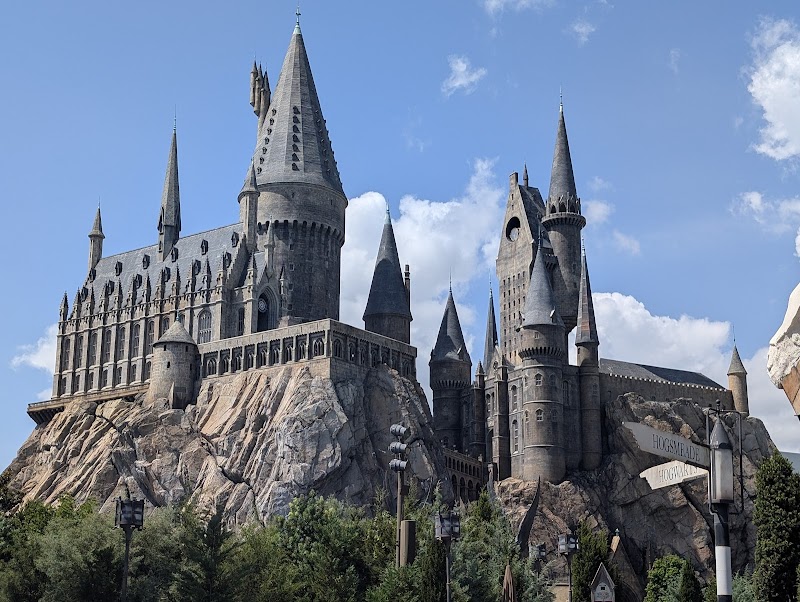
Kevin Schott The Wizarding World of Harry Potter - Hogsmeade
Type: tourist attraction
People say this tourist attraction offers immersive experiences, fun photo opportunities, and delicious Butterbeer. They highlight the exceptional theming, magical atmosphere, and exciting rides. They also like the detailed construction and the opportunity to feel like they are part of the movies and books.
View on Google Maps
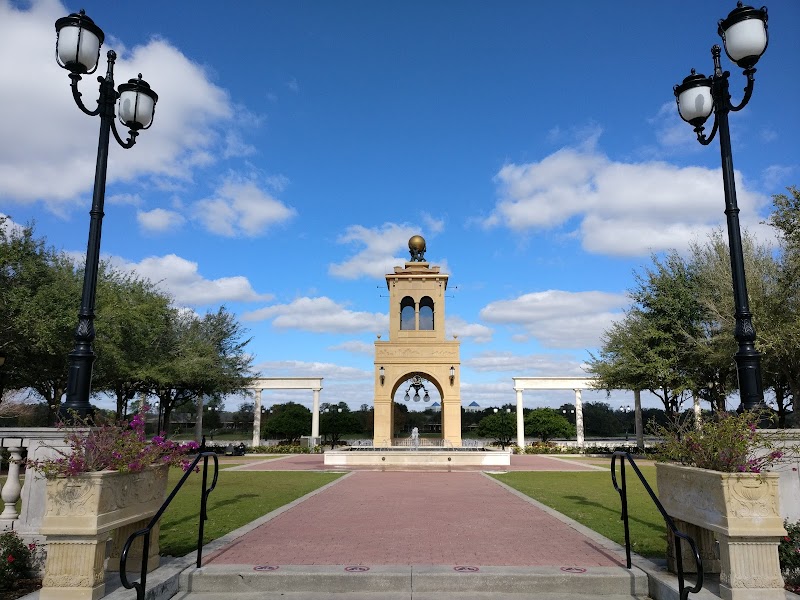
Robin Canfield Cranes Roost Park
Type: park
People say this park offers a beautiful lake, walking paths, benches, and a fountain, and is a great place for jogging, picnics, and relaxing. They highlight the peaceful and scenic atmosphere, especially at sunset, and the abundance of wildlife, including turtles and birds. They also like the clean restrooms, the dog-
View on Google Maps
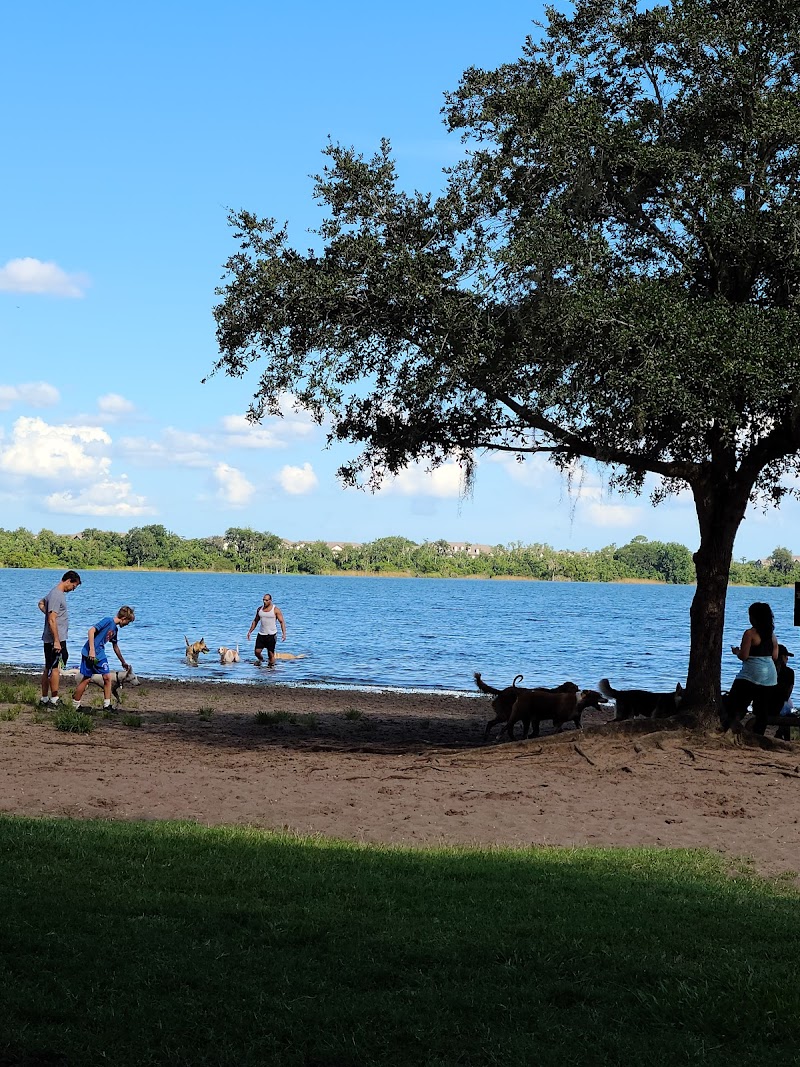
Joshua Tirado Lake Baldwin Dog Park
Type: park
Dog owners say this park offers a spacious, fenced-in dog park with a beach area for swimming, a wooded walking trail, and dog wash stations. They also highlight the friendly atmosphere, beautiful lake views, and plentiful parking.
View on Google Maps
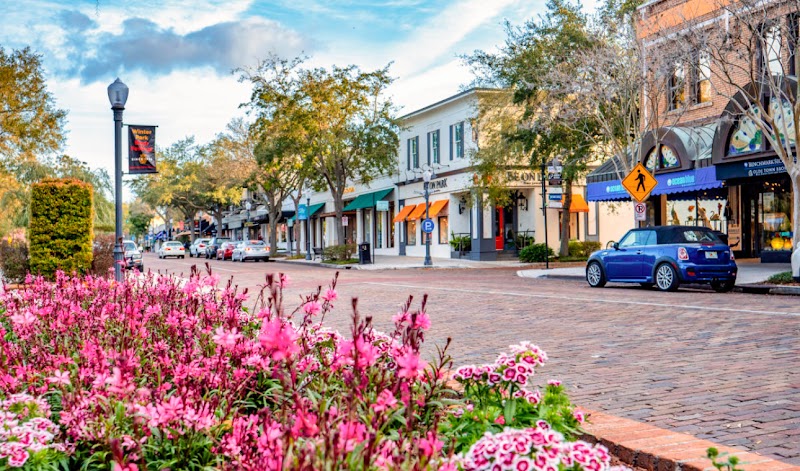
Frank DeFlco Downtown Winter Park
Type: park
People say this park is a great place to walk, with many restaurants and cafes where you can enjoy a meal or a coffee. They also highlight the beautiful and family-friendly atmosphere.
View on Google Maps
🎭Community and culture
Orlando's cultural scene operates on multiple frequencies. Start with the established players — Orlando Museum of Art anchors the traditional arts scene with rotating exhibits that punch above the city's weight class. Orlando Shakespeare Theater brings professional productions to a city that could easily rely on theme park entertainment alone. But the real energy lives in the margins. Mills 50 pulses with independent galleries and venues. The annual Orlando International Food & Wine Festival isn't just another food event — it's where the city's growing restaurant scene flexes. Orlando Pride (the soccer team) games became cultural gatherings that say something about the city's evolving identity. Same with the Orlando Latino Festival — not a tourist add-on but a genuine celebration of the communities reshaping the city. The Dr. Phillips Center for the Performing Arts arrived as a statement piece: Orlando deserves venues that match any major metro. And it delivers — acoustics that attract global performers, programming that assumes an educated audience. Even neighborhood-level culture thrives. Farmers markets in Winter Garden, art walks in downtown, concert series at Lake Eola — the infrastructure for community connection exists. The challenge is choosing which thread of Orlando's cultural web to follow.
7Latin & Caribbean favorites

Vida Cocina & Tequila 
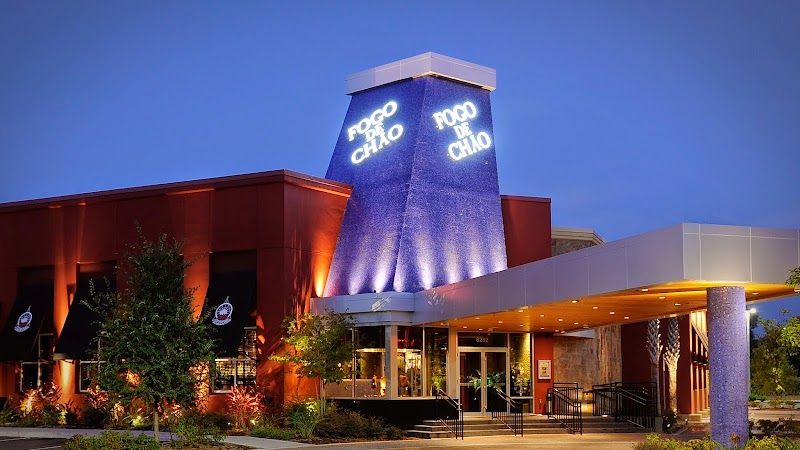
Fogo de Chão Brazilian Steakhouse
🌎Latino community
Orlando's Latino community isn't confined to any single neighborhood — it's woven throughout the metro in ways that reshape the entire city's character. The Baez Collective knows these patterns because we're part of them, watching how Puerto Rican families transformed areas like Azalea Park, how Venezuelan professionals changed the energy in Dr. Phillips, how Mexican businesses turned stretches of Colonial into destinations. El Camino Real doesn't just serve traditional Mexican cuisine — it's become a gathering spot where deals get made and families celebrate across generations. Ceviche pulls in crowds not just for fresh seafood but for the kind of atmosphere that makes newcomers feel at home. The annual Orlando Latino Festival started as a small community event and grew into something the whole city circles on calendars. What's remarkable is how integrated it all feels — Spanish-language services at banks and hospitals aren't afterthoughts but standard practice. Schools staff Spanish-speaking counselors not just for translation but for cultural bridge-building. The Latino community here doesn't exist in parallel to Orlando's growth — it's driving it, from the entrepreneurs opening businesses along Colonial to the healthcare workers staffing the major hospital systems. This isn't about finding "the Latino neighborhood." It's about understanding how Latino culture shapes the entire Orlando experience.
🎓Schools
Let's talk Orlando schools with the honesty parents need. Orange County Public Schools runs the show — a massive district where quality varies dramatically by zone and program. The headline acts? Orlando Science Schools consistently ranks among Florida's best, with STEM programs that have waiting lists for good reason. Lake Nona Elementary represents the newer end of the spectrum — fresh facilities in a planned community where test scores match the home prices. But here's what the ratings don't capture: magnet programs that can transform a decent school into your kid's launchpad. Language immersion programs scattered across the district. Arts programs that rival private school offerings. The key is understanding that school shopping here means more than checking GreatSchools ratings. It means investigating which magnet programs your address qualifies for, whether that highly-rated school actually has space, and if the commute to that charter school is sustainable long-term. Some families choose neighborhoods specifically for schools — others pick the house they love and navigate options. Both strategies work, but you need to know which game you're playing. The district's size means resources and opportunities, but also complexity. Getting your kid into the right fit might take more than just moving to the right ZIP code.
📊Housing market
Orlando's housing market tells different stories depending on where you look. The median home price stays competitive compared to other major metros, but that number masks wild variation. Downtown condos start where suburban homes in Ocoee top out. Windermere's lakefront estates operate in their own universe, while perfectly solid homes in established neighborhoods like College Park offer value that surprises relocators from pricier markets. New construction dominates certain areas — Lake Nona is essentially building a city from scratch, while infill development transforms pockets of downtown. Winter Garden and Ocoee captured families seeking that "new suburban" feel with walkable downtowns. The rental market runs equally varied, from luxury apartments in downtown towers to single-family rentals in suburban neighborhoods. Here's what catches people: the market moves fast when inventory is good, but good inventory isn't guaranteed. That lake view home in your budget? It might have three offers by noon. The key is understanding your must-haves versus nice-to-haves, and having someone who knows why that particular street in College Park costs more than the one parallel to it. Whether you're buying that first condo or upgrading to accommodate a growing family, Orlando offers options — but the best ones don't last long.
📈Economy and growth
Orlando's economy breaks every theme park city stereotype. Yes, Walt Disney World, Universal Studios, and SeaWorld employ thousands — but so does Lockheed Martin's massive missile and fire control facility. The city quietly became a defense contractor hub, with aerospace and simulation companies clustering around the airport. Healthcare emerged as another pillar: Orlando Health isn't just the safety net hospital — it's a regional medical center pulling patients from across Central Florida. The University of Central Florida pumps out more graduates than almost any U.S. university, feeding talent to both established companies and startups. Speaking of startups, the city's pushing hard to brand itself as "Orlando Tech" with some success — EA Sports has a major presence, simulation companies thrive here, and fintech is growing. The Orlando Economic Development Commission isn't just cutting ribbons — they're actively recruiting companies tired of Silicon Valley costs. What makes it work? Lower operating costs than major tech hubs, direct flights everywhere, and a talent pool that's young and growing. The downtown transformation from sleepy government center to legitimate business district shows the trajectory. Construction cranes dot the skyline not just for hotels but for office towers and medical facilities. The economy's diversity might be Orlando's best-kept secret.
🚗Getting around
Let's be honest about Orlando transportation: this is a car city, and fighting that reality only leads to frustration. Interstate 4 cuts through the metro like a concrete river, essential but often clogged. State Road 429 (the Western Expressway) offers a toll alternative that's usually worth the money during rush hour. The 408 (East-West Expressway) provides another toll option for cross-town trips. Major corridors like Colonial Drive and International Drive handle massive daily loads with varying degrees of success. Public transportation exists but remains limited. Lynx buses cover major routes — useful if your life aligns with their network, challenging if it doesn't. SunRail, the commuter train, connects suburbs to downtown but doesn't run weekends or late nights, limiting its utility. The city's sprawl means most errands require a car. However, pockets of walkability exist and are expanding. Downtown residents can handle daily needs on foot. Winter Garden's downtown rewards walking. The trail system, particularly the West Orange Trail, created recreational corridors that double as bike commuting routes for the dedicated. Uber and Lyft filled some gaps, making car-free nights out feasible. But for daily life? Plan on driving, budget for tolls, and learn the back routes that locals guard jealously.
🗺️Nearby cities
Orlando's neighbors each bring something different to the metro tapestry. Lake Mary to the north built a reputation as "Wall Street South" with financial firms and upscale suburban living — close enough to Orlando for dinner, far enough for its own identity. Kissimmee to the south can't escape its tourist corridor reputation, but locals know it for affordable housing and authentic Latino communities. Head west to Clermont and the landscape literally changes — actual hills, pristine lakes, and a triathlon training culture built around that geography. East brings Sanford, a historic downtown that's genuinely walkable, with antique shops and restaurants that feel discovered, not designed. These aren't just bedroom communities but cities with their own economies and cultures. The proximity matters for practical reasons — your Orlando address might mean shopping in Winter Park, dining in Sanford, or launching your boat in Clermont. The metro bleeds together in ways that benefit residents. That brewery in Sanford, that new restaurant in Lake Mary, that trail race in Clermont — they're all part of your extended backyard. Understanding these relationships helps decode the metro: why certain commutes work, why some areas cost more, and where to explore when you need a different scene.
🤝Working with us
You shouldn't have to decode Orlando from tourist guides and apartment ratings. The Baez Collective knows this city beyond the attractions — the neighborhoods where locals actually live, the schools that matter for your kids' ages, the commute patterns that make or break your daily life. We'll help you see past the marketing to find your fit in the real Orlando.
Interested in this area?
We can connect you with a trusted local specialist who knows this market.