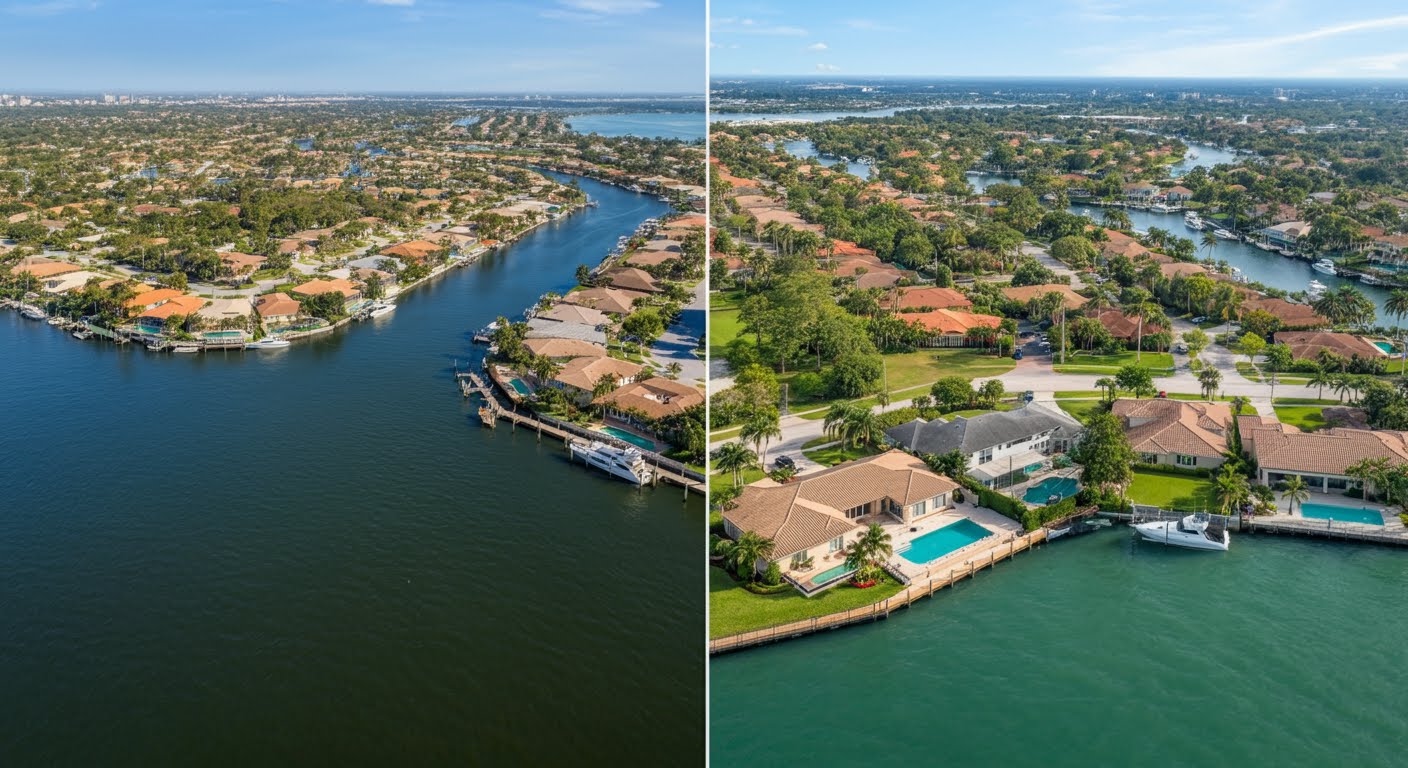
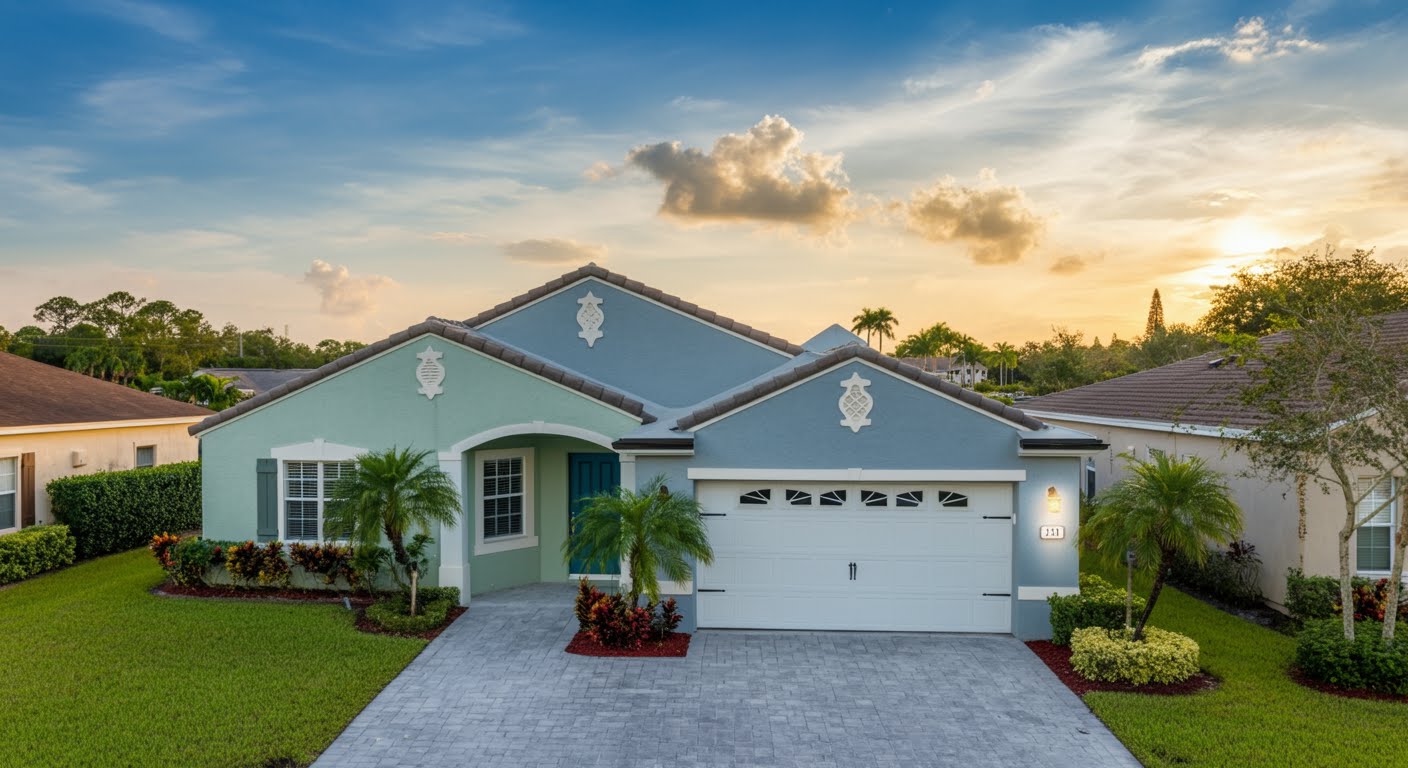
Most snowbirds I talk to describe the first week back the same way: it's supposed to feel like coming home, but it usually feels like triage. The AC is making a noise, the insurance renewal notice is buried in a stack of mail, one of your regular vendors has quietly gone out of business, and your car battery is dead in the driveway. By the time you actually enjoy a sunset, it's been ten days.
The fix isn't to work harder in November. The fix is to spend a few quiet hours in late August and September handling the things that don't need you to be physically here. Done right, you land in a home that's ready for you instead of a to-do list wearing a roof.
Why Fall 2026 Feels a Little Different
A few things have shifted since your last return. Insurance carriers have continued to reshuffle in Florida — some have exited, some have re-entered with new underwriting rules, and Citizens Property Insurance eligibility has changed for policies renewing this year. Rates in Lee, Collier, and Charlotte counties are still elevated compared to pre-Ian levels, though the double-digit jumps of 2023 have moderated for many well-mitigated homes.
The vendor landscape has also thinned. Another summer of heat, a slower shoulder season, and general cost pressure means some of the small operators you relied on — the pool guy, the pressure-washing outfit, the handyman who always answered on the second ring — may not be around anymore. This isn't panic-worthy. It just means a September check-in call is worth more this year than it used to be.
None of this changes the fundamental rhythm of the season. It just means the pre-arrival checklist is a little more real than it used to be.
Insurance Renewal Review — Do This First
Insurance is the single item most worth handling before you fly down. Renewal notices tend to arrive in the summer and early fall, and if you're not physically opening your mail, they get missed. A missed renewal can mean a lapse, a lapse can mean losing your carrier, and losing your carrier in the current market is genuinely painful.
What I'd do in September:
- Confirm your homeowner's, flood, and (if applicable) wind policy renewal dates. Ask your agent to email you a one-page summary of premiums, deductibles, and coverage limits for the upcoming policy year.
- Ask specifically whether your carrier has changed underwriting rules — roof age cutoffs, four-point inspection requirements, and wind mitigation credits have all moved around in the last two years.
- If your roof is over 15 years old, ask what happens at renewal. Some carriers now non-renew or require a roof condition certification past a certain age, even if the roof is functionally fine.
- Get a fresh wind mitigation inspection if yours is more than five years old. On a typical SWFL home, mitigation credits can save $1,000 to $3,000 a year — and the inspection itself runs $75 to $150.
- Compare your flood policy. Private flood carriers have become more competitive against NFIP for well-elevated homes, and it's worth a quote even if you're happy with your current coverage.
If your premium jumped meaningfully, don't just accept or panic. Ask your agent to shop it, and ask what specific changes to the home (roof, opening protection, water shutoff devices) would move the number down at next renewal.
The Pre-Arrival Home Check
If you have a property manager or a trusted neighbor doing summer checks, this is the time to ask for a more thorough walk-through — not just a quick look. If you don't have anyone checking, hiring a one-time pre-arrival inspection for $150 to $300 is money well spent.
What you want them to look at:
- HVAC. Run the system for at least 20 minutes. Listen for unusual noises, check that both supply and return are moving air, and confirm the thermostat is holding temperature. Change the filter. In a closed-up SWFL home over the summer, the AC is the single most important system — a failed unit in October means a hot, humid arrival and a two-week wait for a replacement if parts are backordered.
- Plumbing. Run every faucet, flush every toilet, and check under every sink for slow leaks or mildew. Look at the water heater base for corrosion or standing water. If you shut off the main during summer, coordinate a controlled restart so nothing surprises you.
- Roof and gutters. Visual inspection from the ground for missing tiles or shingles, plus a look at gutters for debris. If storms passed through this hurricane season, add a proper roof inspection — even minor lifted flashing can turn into a leak by the first heavy November rain.
- Screens and lanai. Pool cages take a beating over the summer. Torn screens, loose fasteners, and door alignment issues are cheap to fix now and annoying to live with later.
- Refrigerator and appliances. If the fridge was left running, check that it's actually cold. If it was left off, clean it, prop the door open a day before arrival, and plug it back in the day before you land.
- Pest activity. Look for ant trails, wasp nests around eaves, and any evidence of rodents in the garage. September is when a lot of this shows up.
Ask for photos. A five-photo report from your check-in person is worth more than a text that says "all good."
Mail, Utilities, and Service Accounts
The reactivation timeline matters more than people realize. Some accounts flip on same-day; others take a week. Rough sequence I'd follow:
- Six weeks out (mid-September): Update your USPS forwarding to end on your arrival date, or start a temporary redirect back to Florida. Confirm your Florida address is still on file with banks, brokerages, and the IRS if you're a Florida resident for tax purposes.
- Four weeks out: Call your electric provider (LCEC, FPL, or your local co-op) to confirm the account is active and there are no outstanding balances. Same for water and sewer. If you had service reduced or suspended, schedule the reactivation for two or three days before you arrive.
- Three weeks out: Reactivate internet and cable. This is the one that always runs late. If a tech visit is required, book it now — appointment windows in October fill up as the seasonal wave returns.
- Two weeks out: Confirm pool service, lawn service, and pest control are scheduled to resume on your normal cadence. Ask each vendor to confirm in writing that they'll be there.
- One week out: Have someone open the house, run the AC down to your preferred temperature, and do a final walk-through. Landing in a 78-degree home versus an 85-degree one is worth every dollar.
If you're a Florida resident and homesteaded, this is also a reasonable moment to make sure nothing on your property tax bill looks off. The trim notice arrived in August, and if you saw something unexpected, you have appeal windows that close before you might notice.
Vehicle Prep — The Overlooked One
The car that's been sitting in your garage since April is the single most predictable failure of arrival week. Batteries lose charge, tires develop flat spots, rodents occasionally find engine bays interesting, and registration renewals sometimes slip by unnoticed.
Before you fly down, ask whoever is checking the home to:
- Start the car and let it run for 20 to 30 minutes. If it won't start, you know now, not on arrival day.
- Check tire pressure and look for visible flat spots or dry rot on the sidewalls. Tires that sit for months in Florida heat age faster than tires that get driven.
- Confirm the registration sticker is current. Florida vehicle registration renews on the owner's birthday, and it's easy to miss when you're out of state. Renewals can be done online through the Florida Highway Safety and Motor Vehicles site.
- Check that your insurance is still active. Some snowbirds carry reduced coverage during storage months — make sure it's back to full coverage before you drive.
If the car is more than five years old and has been sitting, consider a pre-arrival service appointment for the week you land: oil change, battery test, tire rotation, and a basic once-over. Booking that in September gets you an October slot; waiting until you arrive gets you a mid-November slot.
Refreshing Your Local Vendor List
This is the item people skip and then regret. Every summer, some of the small vendors that make seasonal life easy either close, retire, get bought, or stop returning calls. In September, spend 30 minutes verifying your contacts.
Text or email each of the following and ask them to confirm they're still operating and taking clients for the season: HVAC company, plumber, electrician, handyman, pool service, lawn service, pest control, roof inspector, screen repair, appliance repair, cleaning service, and your insurance agent. If you don't get a reply within a week, treat that vendor as gone and start looking for a replacement now — not in November when everyone else is also looking.
For anyone new, get referrals from neighbors who are already down or from your community's homeowner group. In Cape Coral, Naples, and Fort Myers, well-run neighborhood groups are usually the fastest way to find a vendor who actually shows up. Communities in Cape Coral and coastal Naples in particular have active networks that filter out the ones who aren't holding up.
The Southwest Florida Piece Nobody Warns You About
Every part of the country has seasonal home ownership, but Southwest Florida has some specifics worth naming. The insurance environment continues to be the biggest one — Citizens Property Insurance eligibility rules have tightened for policies renewing in 2026, and if you were placed with Citizens as a last-resort carrier in the past two years, you may be offered a takeout by a private carrier. Takeout offers have a short response window, and if you're not opening mail, you can miss them and end up with unexpected coverage or premium changes.
Post-Ian recovery is also still working through certain pockets. If your home is in a lower-elevation part of Fort Myers Beach, Sanibel, St. James City, or the older Cape Coral canal neighborhoods, ask your check-in person specifically about signs of moisture intrusion, HVAC air handler condition in garages that flooded previously, and any ongoing community-level construction that might affect access to your street. In condo buildings, milestone inspection and structural integrity reserve study requirements from the 2022 Florida condo law changes continue to drive special assessments — if you own in a mid-rise or high-rise, check with your association about anything pending before you arrive so it's not a surprise at the first board meeting of the season.
Homesteaded snowbirds — those of you who have genuinely made Florida your legal domicile — also want to make sure nothing has changed with your Save Our Homes cap or exemption status. If you rented the property out at all during the summer, even short-term, that can affect your homestead standing, and it's worth a quick call to the county property appraiser to confirm you're still in good standing.
If You Want a Calmer Landing
The through-line here is simple: the work you do in September is worth roughly ten times the same work done in November. In September, vendors have time, insurance agents will pick up the phone, and appointment slots are open. In November, everyone is competing for the same limited attention.
If you're a returning owner and you want a second set of eyes on your property before you fly down — or if you're thinking about whether this is the season you finally sell the northern home and go full-time — that's the kind of conversation I have with snowbird clients every fall. You can read more about how we work with seasonal owners at our snowbird resource page, or reach out directly through the contact page if you want to walk through your specific situation. No pressure, no timeline — just a clearer picture of what your fall looks like.
Equal Housing Opportunity. Freddy Baez · Florida Broker BK3274734 · The Baez Collective at eXp Realty. Information here is general guidance, not legal, tax, or investment advice — please consult a qualified professional for your specific situation.